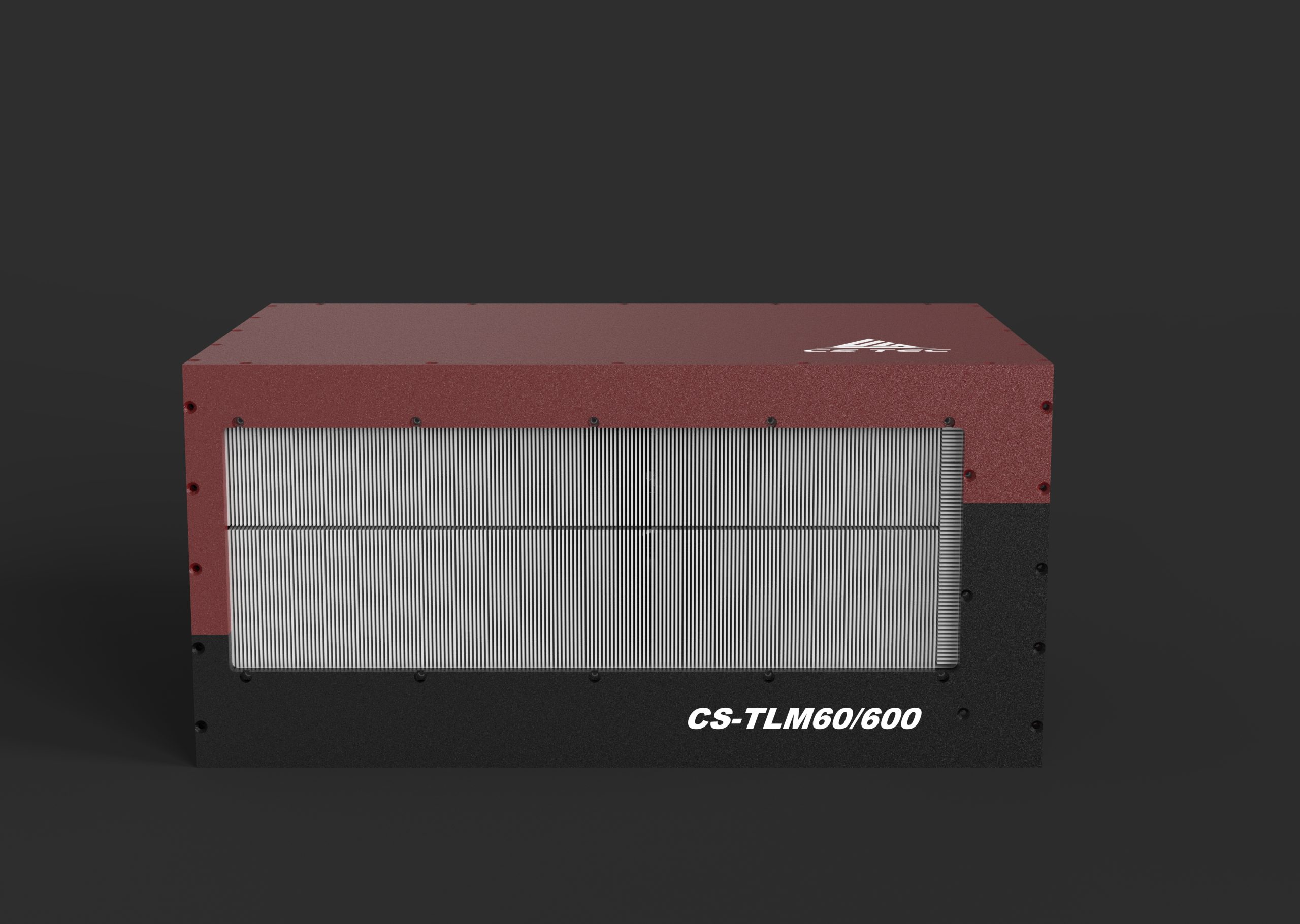
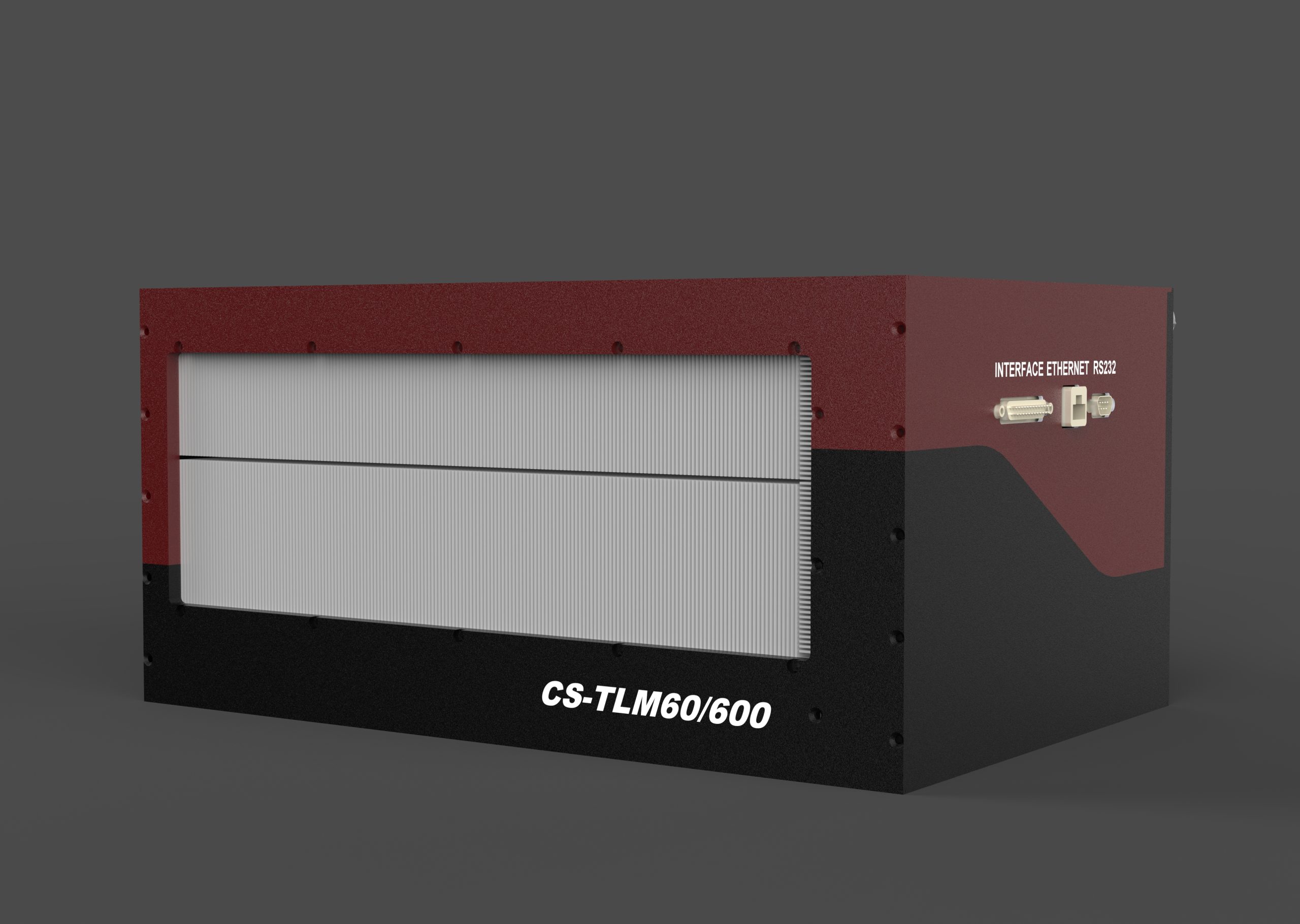
2.0μm Thulium Fiber Laser is a type of special wavelength fiber laser that uses Thulium (Tm) as the gain medium and generates a laser with a wavelength of 2.0 microns. This wavelength is in the mid-infrared region and provides unique advantages compared to other fiber lasers working at different wavelengths, especially in certain applications.
✅ 1. Basic Principle
The Thulium Fiber Laser operates at a 2.0μm wavelength, which is in the mid-infrared range. The principle of operation involves pumping the Thulium ions (Tm3+) within the fiber using a laser pump source (typically a diode laser). The Thulium ions are excited to higher energy states, and when they transition to a lower energy state, they emit photons, producing the laser output.
✅ 2. Features of Thulium Fiber Lasers
1. Wavelength Characteristics
- 2.0μm Wavelength: This wavelength enables Thulium fiber lasers to be effective in applications where other fiber lasers, such as those operating at 1μm or 1.5μm, may not perform as well. Mid-infrared lasers are better absorbed by certain materials, resulting in more efficient processing.
- High Material Absorption: The 2.0μm wavelength has higher absorption in many materials, particularly metals, ceramics, and some composite materials, making it suitable for precise cutting and deep welding.
2. High Beam Quality
- Thulium fiber lasers typically have excellent beam quality (M² close to 1), providing a smaller spot size and better focusability. This makes them ideal for high-precision applications such as fine laser marking, micro-machining, and medical treatments.
3. High Efficiency
- The Thulium fiber laser has excellent efficiency due to the high absorption of the 2.0μm wavelength in various materials. This allows for better power conversion efficiency compared to other wavelength lasers.
4. Reduced Thermal Effects
- Compared to shorter wavelength lasers, 2.0μm wavelength lasers typically produce less heat during material processing, reducing thermal damage to the material and allowing for more precise processing.
5. Flexible Output Modes
- Thulium fiber lasers can provide a variety of output modes, including different power levels and pulse widths, which can be adjusted to suit different application needs, further enhancing their versatility.
✅ 3. Main Applications
Thulium fiber lasers, with their unique properties, are widely used in the following fields:
1. Material Processing
- Laser Cutting: Especially effective for cutting high-hardness materials such as steel, alloys, and ceramics, as well as thin film cutting.
- Laser Welding: Due to its excellent beam quality, Thulium fiber lasers are ideal for precision welding, particularly for small seam production.
- Laser Marking and Engraving: Perfect for high-precision marking on metals, plastics, glass, and other materials.
- Laser Cleaning: Effective for removing surface oxides, dirt, or coatings from materials.
2. Medical Applications
- Laser Surgery: Thulium fiber lasers are used in fields like dermatology and ophthalmology, providing excellent absorption in skin and soft tissues for minimally invasive surgeries.
- Photothermal Therapy: Used for targeted treatment in cancer therapy and other medical conditions, leveraging the 2.0μm wavelength for better tissue interaction.
- Dental Treatments: Used for dental procedures such as cavity preparation and sterilization.
3. Scientific Research
- Thulium fiber lasers, operating at the 2.0μm wavelength, are used in laser spectroscopy for gas analysis and optical sensors. They are highly effective when combined with other sensing technologies.
- They also have applications in high-precision experiments, where they are used in optical measurements and interferometry systems.
4. Environmental Monitoring
- Used in air quality monitoring and pollution control, 2.0μm wavelength lasers can be employed in remote sensing and environmental monitoring systems.
5. Aerospace
- Thulium fiber lasers are also used in aerospace applications, especially for LiDAR (Light Detection and Ranging) systems for ground mapping, aerial sensing, and flight navigation.
✅ Summary
The 2.0μm Thulium Fiber Laser provides high beam quality, high efficiency, and low thermal effects. Operating in the mid-infrared wavelength, it is especially suited for precision machining, medical applications, and scientific research. Compared to traditional near-infrared fiber lasers, it offers significant advantages in material processing, particularly in cutting, welding, and surface treatment, as well as in environmental and medical applications.
If you have specific applications or requirements, feel free to reach out, and I can assist you in selecting the right laser or providing a tailored solution.