
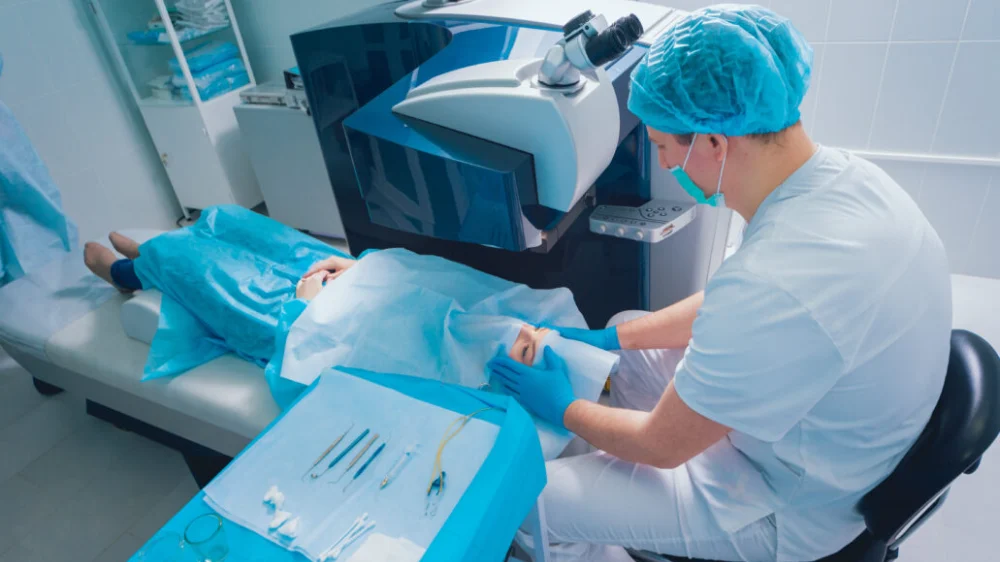
Medical device manufacturers choose fiber laser welding because it offers exceptional accuracy, reliability, and speed. Traditional welding methods often struggle with precision, leading to uneven results and a greater risk of contamination. Fiber laser welding produces extremely fine welds and ensures tight seals, which is crucial for manufacturing sterile instruments and small implants. This process creates highly precise welds with minimal heat impact on surrounding materials, preserving strength and maintaining consistent quality. These factors are essential for medical device manufacturers to comply with stringent cleanliness and safety standards.
Key Takeaways
- Fiber laser welding makes very exact, clean, and strong welds. This helps medical devices work better and be safer. – This method uses less heat, so it protects fragile materials. It also helps devices last longer and stay reliable. – Fiber laser welding lowers the chance of contamination. It makes clean joints without glue or extra stuff. – The technology lets companies make products faster. There is less machine stopping and it is easy to add automation. – Using fiber laser welding helps companies follow strict safety rules. It also helps them make better devices for patients.
Why Medical Device Manufacturers Are Moving Away from Traditional Welding
Precision and Consistency Issues
Medical device makers need every weld to be exact and the same. Old welding methods often do not give this level of accuracy. These ways can make too much heat, which can hurt delicate materials. The high accuracy needed for medical devices is hard to get with old welding. It is also tough to control the process, so meeting strict rules is hard.
If welds are not the same, weak spots or mistakes can happen. This can make devices less safe and lower their quality. Not having good control also makes it hard to keep things clean, which is very important in medicine.
- Old welding methods have trouble making small, detailed parts just right.
- Uneven welds are more likely, and this can make products break.
Material and Contamination Challenges
Old welding methods can bring in many kinds of dirt. While welding, things like paper fibers or oil can get into the weld. Dirt, sand, or glass can also get mixed in. Gases in the air can react with parts and cause rust or holes.
These dirty things can make welds weak, cause cracks, or make hidden problems. For medical device makers, even a little dirt can be a big safety problem.
Maintenance and Downtime
Old welding machines need fixing a lot. This means more stops and higher costs. The table below shows how they compare:
| Aspect | Traditional Welding Equipment | Fiber Laser Welding Systems |
|---|---|---|
| Maintenance Frequency | Higher | Lower |
| Downtime | 15-20% of operational time | Significantly reduced |
| Cost Impact | Higher | Lower |
Fixing machines often stops work and slows down welding. When machines are slow or stopped, it is hard to make enough products. Medical device makers need machines they can count on to keep making good products all the time.
Key Benefits of Fiber Laser Welding
Superior Precision and Control
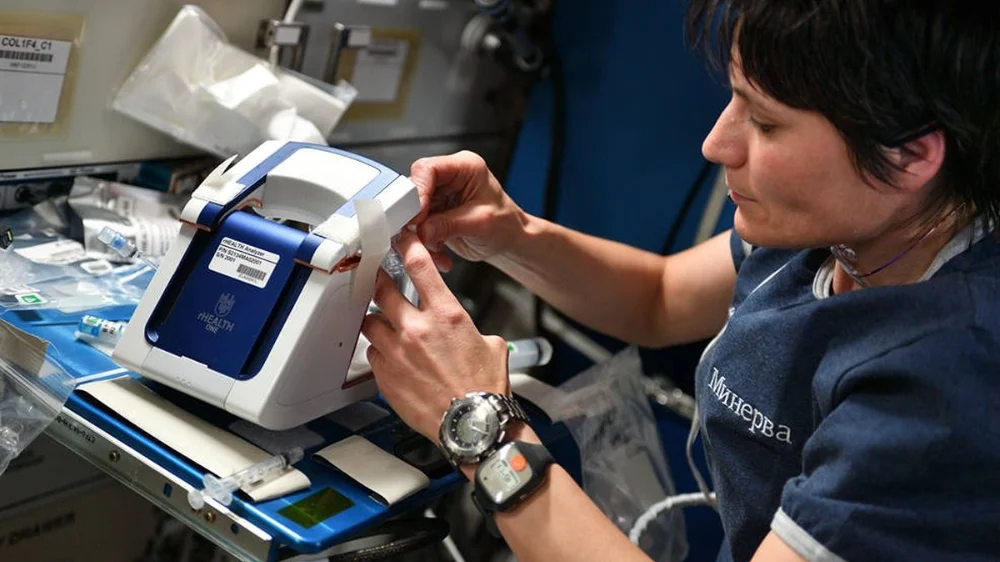
Fiber laser welding is very precise. Medical device makers use it to make strong, exact welds on small parts. The process uses focused lasers to join materials with great control. This is important for things like catheters, pacemakers, and surgical tools. Even a tiny mistake can make these devices unsafe.
Lasers can be set up quickly and changed easily. This helps with new medical devices and custom designs. Fiber laser welding can make tiny holes and thin seams. It does not hurt delicate parts. This keeps the quality high and makes devices work better.
Fiber laser welding lowers the chance of mistakes or bad welds. This helps every device meet tough rules.
Minimal Heat-Affected Zones
Old welding ways make big hot spots that can hurt soft materials. Fiber laser welding makes much less heat. The laser’s energy is focused, so it does not bend or weaken the main material. This matters for devices used in small surgeries. These need to stay strong and safe for the body.
A comparison of main benefits:
| Benefit | Description |
|---|---|
| Precision | Gives better accuracy, good for tight spaces. |
| Minimal Heat Impact | Less heat means safer for soft materials. |
| Clean Welds | Makes strong, clean welds with little risk of dirt. |
| Speed | Works faster than old welding methods. |
| Automation Compatibility | Can be run by machines, making work faster. |
| Cost-Effectiveness | Needs less fixing, so it saves money. |
| Aesthetic Quality | Makes nice-looking welds, good for medical tools. |
| Versatility | Can weld many different materials. |
| Environmental Benefits | Better for the planet, makes less waste. |
Clean, Contamination-Free Welds
Clean welds are very important for medical devices. Fiber laser welding makes smooth welds without dirt. It uses focused light, not glue or extra stuff. This means nothing extra gets into the weld. There is no mess or bits left over. This stops germs from growing and keeps devices safe for the body.
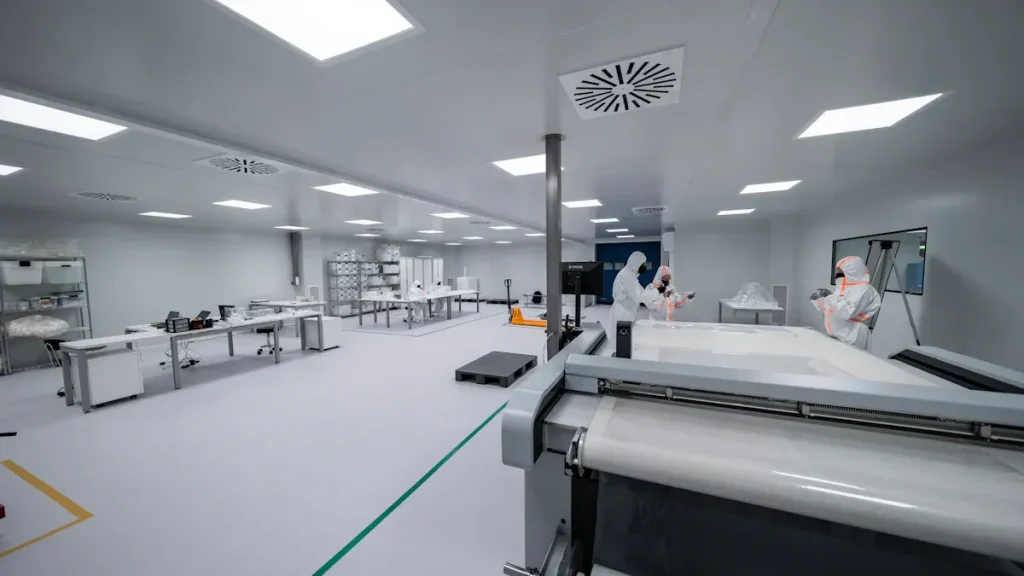
Fiber laser welding can be done in clean rooms. This keeps everything very clean. It makes almost no waste, unlike old welding that leaves dirt behind. It can seal things tightly, so water and germs cannot get inside.
- No glue is needed for welding.
- The process helps make safe, clean devices.
- Clean welds keep patients safe and follow the rules.
Ergonomics and User-Friendly Operation
New fiber laser welding machines are made for easy use. They have workstations where people can sit or stand. The controls are big touchscreens and easy to understand. This makes it simple to start and watch welding jobs.
| Feature | Description |
|---|---|
| Ergonomic Design | Built for comfort and easy use, so workers are happy. |
| Intuitive Operating System | Has a 7″ LED touchscreen and many languages for easy setup. |
| Simplified Operation | Easy to use with a 7” touchscreen. |
| User-Friendly Software | Combines laser and movement controls for better use. |
Workers can learn to use these machines fast. This means less training and more work done. Fixing them is easy because parts are simple to reach. The comfy design and smart software help make more devices quickly.
Fiber laser welding makes products better and helps workers do their jobs more easily.
Technical Features for Medical Device Manufacturing
High Beam Quality
Fiber lasers make a very strong and focused beam. This is important for welding medical devices. The small laser spot helps make very exact welds. Less heat is used, so only a small area gets hot. This keeps the material strong and safe. When the beam stays the same, welds are always stable. This is needed for devices to work well. You can change where the laser focuses. This lets you make tricky welds on tiny or soft parts.
- A strong beam makes welds better.
- Small hot spots stop bending or color changes.
- A steady beam helps every weld pass tough tests.
Automation and Integration
New fiber laser machines use smart controls and robots. These tools help make more products faster and better. The machines can keep track of data as they work. They can also tell when they need fixing. This means less stopping and more making. New laser tools work fast and can do hard welds. Robots help make lots of devices and keep them all the same.
Using robots in laser welding makes things better and cheaper.
Material Versatility
Fiber lasers can join many kinds of metals. These metals are used in medical devices. Some examples are stainless steel, titanium, and nitinol. The laser can join the same or different metals. This is hard with other ways. Fiber welding is used for scissors, scalpels, endoscopes, pacemakers, and implants. It can also make marks that last. These marks help track and follow rules.
- Fiber lasers are good for small, detailed parts.
- One machine can cut, weld, and change surfaces.
Enhanced Production Speed
Fiber laser welding is very fast. It can weld up to 10-20 meters each minute. Even when going fast, it stays very exact. New ways to send the beam and check welds help keep them good. Faster welding means more devices are made quickly. This is important when many are needed.
| Advancement Type | Description |
|---|---|
| Hermetically Sealed Joints | Fiber welding makes safe joints that meet strict rules. |
| Welding of Delicate Materials | Lets you join soft materials without hurting them, which is key for medical tools. |
| Compact System Design | Makes small and easy-to-hold devices possible. |
These features help make better devices and keep them safe. Small and easy-to-use designs are now possible because of new fiber laser tools.
Impact on Product Quality and Industry Standards
Improved Device Performance
Fiber laser welding has changed how medical devices are made. It gives very good accuracy and works fast. Lasers use special light to go through metals like stainless steel and titanium. This makes strong and clean welds. The process does not make much heat. This keeps small parts, like catheters, safe and strong. Because of this, new medical devices work better and are always good quality. Clean welds from fiber lasers mean less fixing is needed later. This saves time and money when making devices. Makers can also join different metals together. This helps devices work better and last longer.
Fiber laser welding makes sure every device is high quality and safe for patients.
Regulatory Compliance
Medical device makers must follow tough rules to keep people safe. Fiber lasers give the accuracy needed to meet these rules. Every weld is the same, so it is easier to follow FDA and ISO 13485 rules. The process helps keep records for checking and testing. Makers must finish Installation Qualification, Operational Qualification, and Performance Qualification to show their products are good. Working with laser welding experts early can help pass checks and get approval faster.
- Following FDA and ISO rules is very important.
- Every step needs records and testing.
- Planning early with laser experts helps get approved.
Better Patient Outcomes
Fiber laser welding helps patients by making safer and stronger devices. The small hot spots protect body tissue, so people heal faster. Lasers let doctors use less anesthesia, which is more comfortable. Devices made with fiber lasers, like catheters, work better and have fewer problems. Patients get better faster and have better results.
- Less damage to tissue and quicker healing
- More comfort during medical procedures
- Devices work better inside the body
Medical device makers use fiber laser welding because it is very accurate and dependable. This method helps them follow strict rules and use machines to do the work. The table below shows important things for the industry:
| Key Factor | Description |
|---|---|
| Regulatory Compliance | Follows FDA and European MDR rules for quality. |
| Precision and Efficiency | Makes better welds for tricky devices. |
| Automation Integration | Works well with automated production lines. |
- Makes better welds
- More accurate
- Same results every time
Fiber laser welding helps devices work better and keeps patients safe. Makers get the same good results and have less machine stoppage. Because of this, many companies now pick fiber laser welding for making medical devices.
FAQ
What types of medical devices benefit most from fiber laser welding?
Fiber laser welding is good for catheters, pacemakers, surgical tools, and implants. It works on both small and tricky parts. Makers use it when they need very exact and strong welds that are also clean.
Is fiber laser welding safe for sensitive materials?
Yes. Fiber laser welding uses a focused beam with little heat. This keeps delicate materials like titanium and stainless steel safe. The process stops bending and keeps these parts strong.
How does fiber laser welding improve hygiene in device manufacturing?
Fiber laser welding makes smooth joints with no dirt. The process does not use glue or flux, so germs have fewer places to hide. This helps medical devices stay very clean and meet tough rules.
Can fiber laser welding be automated for large-scale production?
Yes. Fiber laser welding systems work well with robots and machines. This lets companies make fast, repeatable welds. Using automation means fewer mistakes and more products made in less time.