
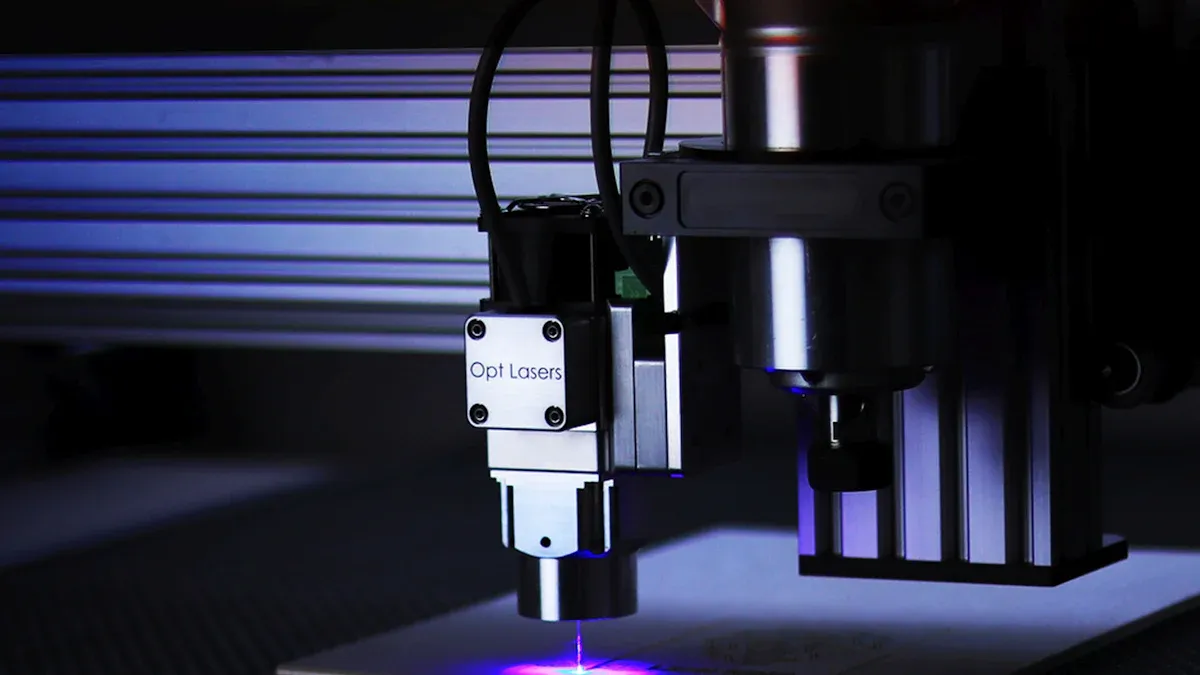
Laser hardening uses a strong laser to heat metal surfaces. This treatment works on steel and cast iron to make them tougher. Laser hardening is special because it heats only the outside layer. The inside of the part stays the same. This process gives you many good things:
- Your parts last longer because they resist wearing out.
- Your parts keep their shape better.
- You can treat tricky shapes very exactly.
Laser hardening is a quick and careful way to make metal surfaces better.
Key Takeaways
- Laser hardening makes metal surfaces stronger. It does not change the inside of the metal. This helps parts last longer and fight against damage.
- The process lets workers pick exact spots to treat. This saves time and materials. It also keeps the part’s shape the same.
- Robots help with laser hardening. They make sure results are always the same. Robots can also treat tricky shapes well.
- Laser hardening is good for the environment. It does not need oils or chemicals to cool things down. This means there is less waste.
- This way of hardening works for many metals. It is used in cars, planes, and tools.
Laser Hardening Overview
What Is Laser Hardening
Laser hardening helps make metal surfaces stronger and last longer. A focused laser beam heats just the outside of a metal part. The laser moves over the surface and heats it up fast. After the laser moves away, the metal cools down quickly. This fast change in temperature changes the metal’s surface. The outside gets hard and tough, but the inside stays the same. Laser hardening works best for steel and cast iron. Sometimes, it can work for other metals too. People sometimes call this process laser heat treating or surface hardening.
Laser hardening is special because you can pick which areas to treat. You do not have to heat the whole part. The laser can focus on only the spots that need to be stronger. This saves time and cuts down on waste.
Key Features and Principles
When you use laser hardening, you get many good things:
- You can control how much heat you use and how deep the hardening goes. This lets you treat only the spots you want and keeps you from overheating the part.
- The process does not change the shape of your part much. Even if your part has a tricky shape, it stays the same.
- You can treat just certain areas. This saves both time and materials.
- The laser heats the metal very fast. You can finish jobs quicker and get more done.
- The laser never touches the metal. This keeps your parts clean and helps tools last longer.
- You can use laser hardening on many kinds of metals. This means you can use it for lots of different projects.
- You do not need to use oils or chemicals to cool the metal. This makes the process safer for the environment.
Laser hardening is a new way to help metal parts last longer and work better. You get strong surfaces without changing the whole part.
Process of Laser Hardening
Preparation Steps
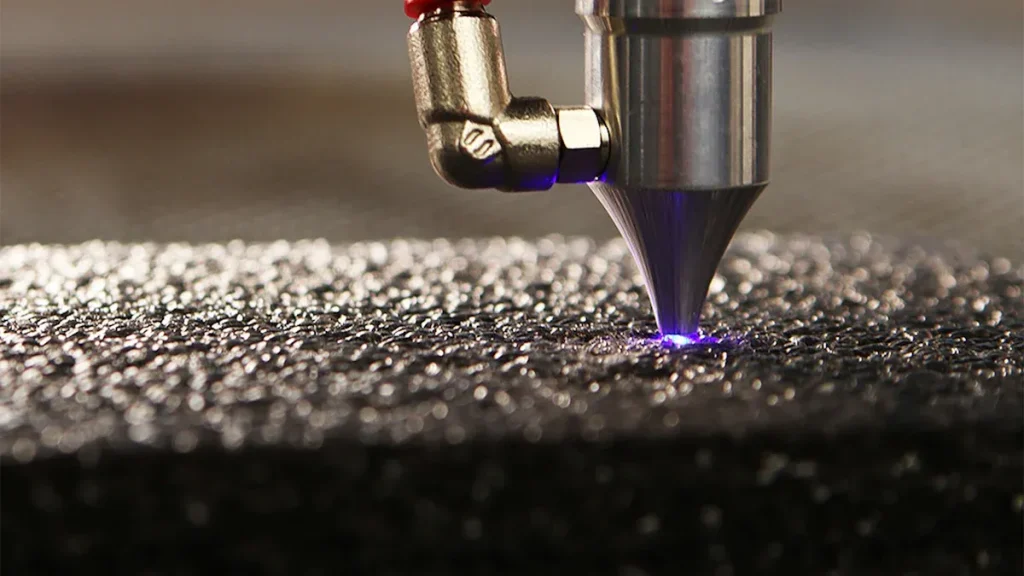
First, you get the metal part ready. Clean off any dirt, oil, or rust. Put the workpiece under the laser. Make sure it is in the right spot. The laser needs to reach the correct areas. Many factories use robots for laser hardening. Robots help move the laser exactly where needed. This helps the laser hit only the right spots. Good positioning and control are very important. They help you get better results.
Here are the main steps you follow:
- Put the workpiece under the diode laser.
- Turn on the laser to heat the surface.
- Move the laser across the part.
Robots and automation are very important in laser hardening. Robots make the process very steady and exact. You can control how the laser moves and how fast it goes. You can also control how strong the laser is. This makes the process very dependable.
| Automation Advantages | Description |
|---|---|
| Improved Consistency | Using machines helps avoid mistakes. You get the same results every time. The thickness and hardness stay even. The quality stays high. |
| Process Customization | You can change laser power and speed. You can also change how the laser moves. This helps you make the process fit each job. |
| Sensor Integration | Sensors watch the temperature and hardness. The system can change settings while working. This helps keep things just right. |
Tip: Robots help you control the laser hardening process. You get the best results when you use them.
Laser Heating Phase
In this step, the laser heats the metal’s surface. The laser beam moves over the part very quickly. The temperature gets very high, between 900 and 1400 °C. Only the outside gets hot. The inside stays cool. You can change how deep the heat goes. You do this by changing the laser’s power and speed.
The metal takes in about 40% of the laser’s energy. You do not need extra chemicals or oils to cool the part. The process is clean and safe for the environment.
Robots can move the laser very precisely. This lets you pick which areas to harden. The system can treat tricky shapes and hard-to-reach spots. You get strong surfaces without changing the whole part.
- The temperature for laser heating is usually between 900 and 1400 °C.
- Robots help make the process steady and exact. This is important for good quality.
- Using robots with laser hardening gives you more control. It is great for jobs that need strong and precise parts.
Cooling and Microstructure Change
After heating, the metal cools down very fast. This is called self-quenching. You do not need water or oil to cool it. Laser hardening cools much faster than old methods. Fast cooling keeps the hot area small. You can control where the hardening happens.
Laser hardening changes the metal’s microstructure. In low carbon steels, the surface gets very hot. The metal turns into austenite. When it cools, it becomes martensite. This makes the surface much harder. Sometimes, carbide precipitation happens. This can make some areas less hard because of self-annealing.
Here is a table that shows what happens inside the metal:
| Microstructural Change | Hardness Effect |
|---|---|
| Austenitisation | The hardened zone gets harder. |
| Martensite formation | Hardness drops at some depths. |
| Surface temperature increase | Turns to austenite, making it harder. |
| Self-quenching | Makes martensite, which changes hardness. |
| Carbide precipitation | Some areas get less hard because of self-annealing. |
Laser hardening makes 45 steel much harder. Untreated steel is about 20 HRC. After laser hardening, it can be over 50 HRC. Some studies show it can go from 20 HRC to 55 HRC.
Note: Laser hardening gives you tough, wear-resistant surfaces. You can control the process better and help your metal parts last longer.
Laser Hardening Advantages
Precision and Selectivity
Laser hardening lets you make only certain spots stronger. The laser beam helps you heat just the places you want. You can change the laser’s power to fit the part’s surface. This means you can make patterns or focus on tiny areas. You do not need to treat the whole part. You can work on parts with odd shapes or small spaces.
The laser beam is very strong and can be shaped. This lets you heat just the top layer of the workpiece very fast.
Because you can shape the power, you can harden special patterns on the surface.
Laser hardening gives you exact control. It works well for parts with tricky shapes.
The process makes only the outside hard. The inside stays the same, so the part keeps its original strength.
You get to pick which spots get harder. The inside of your part does not change. The part stays strong and flexible.
Minimal Distortion
Laser hardening does not change the shape much. The laser heats just the outside, so the rest stays cool. You do not need water or oil to cool it down. This helps the part keep its shape. Most times, you only need to polish the outside after.
- Laser hardening keeps the part’s shape because it heats only small areas.
- After laser hardening, you may just need to polish off the oxide layer.
- Flame hardening can bend parts if you are not careful.
- Laser hardening bends parts less than flame or induction hardening.
- You do not need to use water or oil to cool the part.
- Laser hardening makes the surface very hard and lets you pick where to treat.
Your parts work better and you waste less. They last longer and keep their shape.
Versatility
Laser hardening works on many metals, like iron-carbon alloys and aluminum. You can use it for parts with odd shapes. It is good for gears, shafts, and tools. You can pick which spots to treat and avoid bending the part.
Laser hardening is good for the environment. You do not need extra chemicals or cooling oils. It uses less energy than other ways. Induction hardening is good for making lots of parts, but laser hardening is better for tricky shapes. Flame hardening costs less, but it is not good for big jobs.
Laser hardening gives you hard surfaces, good control, and strong results. You can use it for many things and get good results every time.
Applications

Automotive and Aerospace
Laser hardening is used in cars and planes. It makes surfaces stronger and helps them last longer. You can treat gears, camshafts, and turbocharger parts with laser. These parts need to fight against wearing out and heat. The table below shows how laser hardening helps common car parts:
| Component | Performance Improvement |
|---|---|
| Gear | Better at fighting wear and damage, lasts longer |
| Camshaft and Crankshaft | Stays strong and fights surface wear |
| Valve Seats and Rocker Arms | Fights wear and works longer |
| Turbocharger Components | Handles heat better and lasts in tough conditions |
In planes, laser hardening is used for landing gears and actuators. These parts get pushed hard and need tough surfaces. Laser treatment helps them last longer and need fewer repairs. Laser hardening also works for oxygen-free copper and aluminum alloys. Studies show laser can change these metals in tiny ways, making them stronger and more dependable.
Laser hardening helps make safer cars and planes. Parts last longer and need less fixing.
Tooling and Machinery
Laser hardening makes tools and machines stronger. It works well for tricky shapes and small parts. You can treat big engine parts in heavy machines with laser. This makes them tougher and saves money. Laser hardening is also used in making tools and farm machines. It makes surfaces hard without bending the part.
Laser peening is a kind of laser hardening. It helps tools last longer in factories. You get tools that work better and break less. This saves money and keeps machines working well.
Laser hardening gives you strong tools and machines. You can use them in hard jobs and trust they will work.
Other Uses
Laser hardening is used in new industries. The table below shows some new uses and what they do:
| Application Area | Specific Benefits |
|---|---|
| Renewable Energy | Makes wind turbine parts last longer in tough weather. |
| Aerospace | Helps make parts with tiny details, making them better. |
| Medical Devices | Hardens only the needed spots on surgical tools, keeping other areas safe. |
You can use laser hardening for wind turbines, medical tools, and more. It lets you make only the needed areas tough. The rest of the part stays the same. Laser hardening helps meet high standards in new industries.
Laser hardening is a flexible way to make surfaces tough. You can use it for many jobs and get strong results.
Laser Hardening vs. Other Methods
There are many ways to make metal surfaces stronger. Laser hardening is different because it gives you more control. It also works well for many kinds of jobs. You can look at laser hardening and compare it to induction, flame, and carburizing hardening.
- Laser hardening can cost less for some jobs. You save money if you need to treat special shapes or only a few parts. Induction hardening is better if you have lots of parts. Flame and carburizing are not always as fast or efficient as laser hardening.
- Laser hardening works quickly. The laser heats the metal surface in just a few seconds. This means you can finish jobs faster and keep your work moving.
Here is a table that shows how fast each method is and how many parts you can finish:
| Technique | Process Speed | Throughput |
|---|---|---|
| Laser Hardening | Heats metal faster than it cools | High throughput with kilowatt lasers |
| Shot Peening | Highly localized method | Lower throughput due to manual setup |
| Induction Hardening | Needs new coils for shapes | Moderate throughput, less flexible |
Laser hardening uses strong lasers to help you finish more parts. For example, a 120-kW laser can harden metal at 95 mm/s. You get hard surfaces and finish more work in less time.
Laser hardening is also better for the environment. It uses less energy and makes less waste. You help the planet more than with old hardening methods.
Safety is important for every process. Laser hardening uses special steps to keep people safe. You need good air flow, masks, and barriers to protect everyone. Workers must learn safety rules and use the right gear.
| Safety Measure | Description |
|---|---|
| Exhaust Ventilation | Fume hoods and ventilation systems control airborne contaminants. |
| Respiratory Protection | Masks or respirators protect against harmful substances. |
| Process Isolation | Barriers or remote controls keep operators safe from the laser. |
| Ergonomic Factors | Comfort and safety for operators during the hardening process. |
| Proper Training | Operators learn safety protocols and use personal protective equipment (PPE). |
When you pick laser hardening, you get a fast and clean way to make metal parts stronger. You also help the earth and save money on special jobs.
Laser hardening uses a laser to make metal surfaces tough. It helps parts last longer and get stronger. You get hard surfaces that do not bend much. You can control which spots get treated. This works well for gears, tools, and medical devices. Many companies use laser hardening because it stops parts from wearing out fast. It also saves time on making things.
Laser hardening gives you quick, clean, and steady results for today’s factories.
FAQ
What metals can you laser harden?
You can laser harden steel and cast iron. Some aluminum and copper alloys also work. Always check if your metal responds well to laser heat.
Does laser hardening change the whole part?
No. You only change the surface. The inside stays the same. This keeps your part strong and flexible.
Is laser hardening safe for the environment?
Yes! You do not need oils or chemicals. The process makes less waste and uses less energy than older methods.
How deep does the hardening go?
The hardening depth depends on the laser settings. Most times, you get a hard layer between 0.5 mm and 2 mm thick.
Can you use laser hardening on complex shapes?
- Yes, you can.
- Robots and precise lasers let you treat gears, tools, and parts with tricky shapes.