

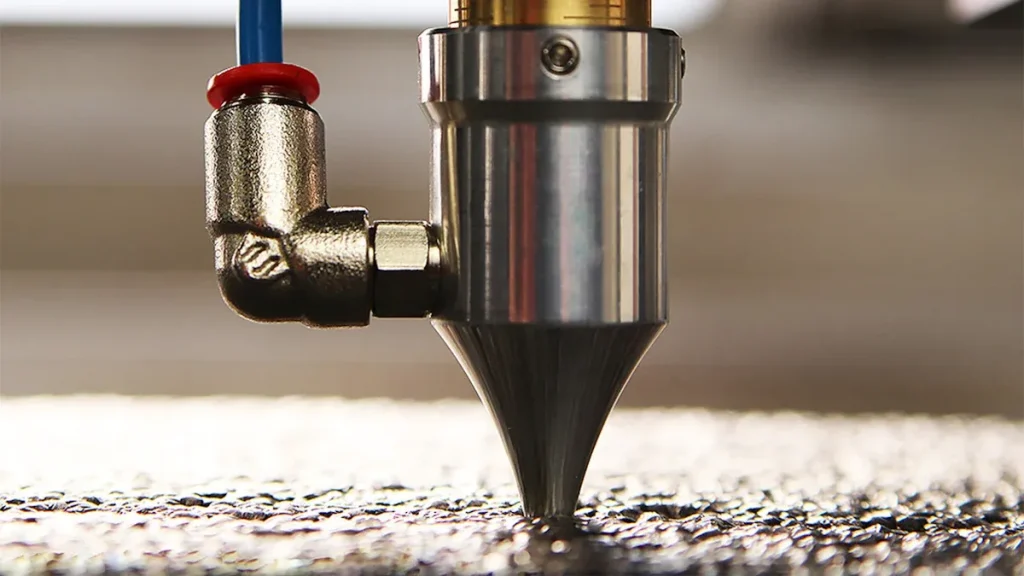
Laser drilling uses a strong light beam to make small holes. These holes are very exact. The process is quick and can be used in many ways. Many companies use laser drilling for important jobs. It helps make things like circuit boards and medical devices. The market for laser drilling is getting bigger:
- Worth $4.587 billion USD in 2024
- Could be $7.938 billion USD by 2035
- Growing by 5.11% every year
You can see how different industries use laser drilling:
| Industry | Application |
|---|---|
| Aerospace | Making exact holes in parts |
| Automotive | Drilling holes in fuel injectors |
| Electronics | Making circuit boards |
| Medical Devices | Making holes in implants |
Key Takeaways
- Laser drilling makes exact holes with a strong light beam. This is great for industries like electronics and aerospace.
- This way is quicker and cheaper than old drilling methods. It helps save time and cuts down on waste during production.
- Laser drilling can be used on many materials, like metals and plastics. But you must pick the right laser type and settings.
- The technology helps make microvias, which are very important for modern electronics. Microvias let us build circuit boards with lots of parts close together.
- Regular care and quality checks keep laser drilling projects very accurate. This also helps make sure results can be repeated each time.
What is laser drilling
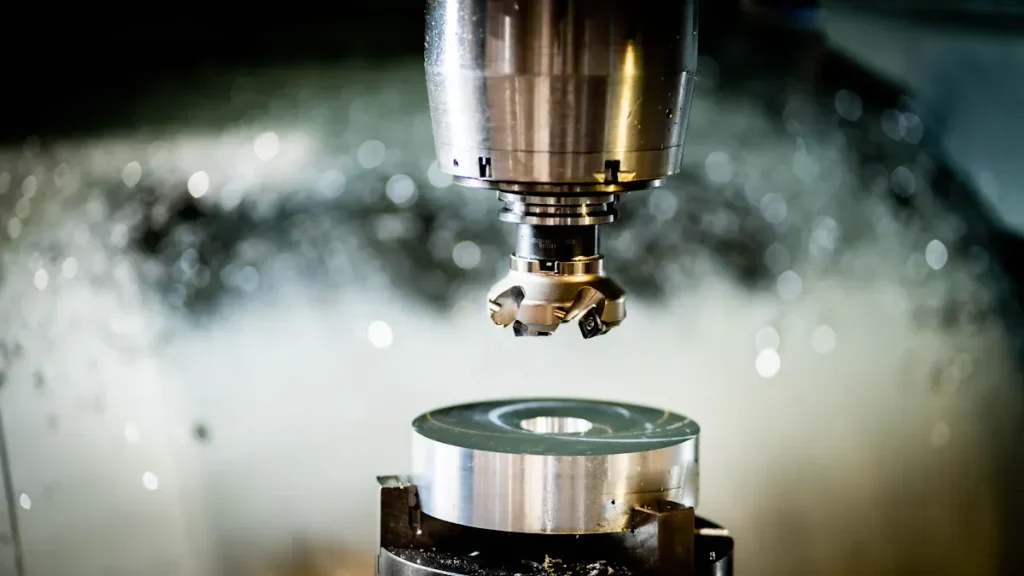
Basic concept
Laser drilling uses a strong light beam to make holes in solid things. The beam melts and turns a small spot into vapor. This happens in three steps: first, the material gets hot. Next, it melts. Then, it turns into vapor. Steam pushes the melted and vaporized bits out of the hole.
Laser drilling is special because it makes very exact holes. It works for big factories and small projects. The machines cost more at first, but you save money later. The process is fast and does not wear out tools like regular drilling.
- Laser drilling melts and vaporizes material to make holes.
- The steps are preheating, melting, and vaporization.
- Steam helps push out bits from the hole.
- You can use laser drilling on metals and plastics.
- It saves money for big jobs because it is quick and cheap to run.
How it works
You pick the right laser for your material. Fiber, CO2, and UV lasers work best for different things. Lenses and mirrors focus the laser into a tiny spot. The beam hits the material and heats it up fast. The material melts and then turns into vapor.
A computer controls where and when the laser moves. This system is called CNC. It follows a digital plan to put each hole in the right place. You can change the size, depth, and shape by adjusting the laser. Sometimes, special gases help clear away bits and keep holes clean.
Here are the steps for laser drilling:
- Pick the laser for your material and hole size.
- Use lenses and mirrors to focus the beam.
- Aim the beam to start melting and vaporizing.
- Use a computer to control the pattern and depth.
- Change settings to keep the quality good.
- Add gases if needed to remove bits and stop defects.
Laser drilling makes tiny holes, even less than 0.25 mm wide. It is very accurate. The laser only heats a small area, so most of the material stays the same. You can make holes with different shapes and angles. This is hard to do with other methods.
Tip: Laser drilling is best for clean, exact holes in delicate or tricky materials.
Laser drilling vs. traditional methods
You may wonder how laser drilling is different from regular drilling. Mechanical drilling uses a spinning tool to cut. Laser drilling uses light energy. This gives laser drilling some good points and some limits.
| Feature | Mechanical Drilling | Laser Drilling |
|---|---|---|
| Hole Size | As small as 0.006 inches (6 mils) | Microvias as small as 0.025 mm (1 mil) |
| Speed | Up to 300,000 RPM | Thousands of holes per minute |
| Depth Control | Excellent for blind vias and backdrilling | Limited depth control |
| Consistency | Uniform holes, minimal tapering | High precision, ±0.01 mm tolerance |
| Cost-Effectiveness | Better for larger holes (>0.15 mm) | Efficient for small holes, higher equipment cost |
| Material Flexibility | Works with many substrates | Ablates various materials, flexible sizes |
| Cleanliness | May need deburring | Minimal debris, less post-processing |
Laser drilling has many good points:
- It is very accurate, sometimes within ±5 micrometers.
- The holes have smooth edges and little roughness.
- You can make tricky shapes and patterns.
- The heat only affects a small area, so the material stays strong.
- You do not need to switch tools for different jobs.
Mechanical drilling has some problems. It can shake and cause mistakes or damage. You often need extra steps to clean the holes. It is hard to make very small or tricky holes.
Laser drilling does have some limits. It can be hard to control the depth for some jobs. The machines cost more at first, but you save time and money later.
Note: Laser drilling is best when you need speed, accuracy, and flexibility, especially for tiny or tricky holes.
Laser drilling process
Pulsed laser technology
Pulsed laser technology makes laser drilling more exact. Pulsed lasers send quick bursts, not a steady beam. Each burst heats a tiny spot on the material. The heat melts and turns the spot into vapor. This helps you make clean holes. You can change the pulse length and energy for each job.
Here are the steps for laser drilling with pulsed lasers:
- Set up the laser system and adjust the beam for your material.
- Pick the right fiber diameter for the process.
- Set the timing of the pulses to control energy use.
- Use the best duty cycle to stop melted material from building up.
- Fire strong pulses to drill at shallow angles or tough spots.
- Hold the workpiece in place and upload your design to the software.
- Test and adjust the laser settings on a scrap piece.
- Drill the holes and check them for quality.
Pulsed lasers help you avoid too much heat. They lower the chance of hurting the material. You get smoother walls and better control of hole shape and size. If you want very exact laser drilled holes, pulsed laser technology is the best way.
Tip: Shorter pulses and less power help you stop heat damage and keep the material strong.
Material suitability
Laser drilling works on many materials. You can drill metals, plastics, ceramics, and special circuit boards. Each material needs a different laser type and power level. Some materials are easy to drill. Others need careful control to stop burning, melting, or cracking.
Here is a table that shows which materials work best with laser drilling and what you need to watch out for:
| Material Type | Suitable Laser Type | Key Limitations |
|---|---|---|
| FR-4 | Far IR, UV | Glass fibers can burn or undercut; drilling speed changes with fiber spread. |
| Rogers Materials | UV (355 nm) | Needs low power to avoid damage; handle carefully to keep dielectric safe. |
| Ceramic PCBs | UV (355 nm), Femtosecond | Hard and brittle; risk of tiny cracks if not managed well. |
| PTFE | UV (355 nm) | Soft and heats up fast; needs exact control to stop melting. |
| Metal Core PCBs | Fiber, UV | Metal core gets hot fast; can hurt the dielectric layer if not controlled. |
You must match the laser type and settings to the material. For example:
- FR-4: Use far IR or UV lasers. Control energy to stop burning glass fibers.
- Rogers Materials: Use UV lasers with low power to protect the dielectric layer.
- Ceramic PCBs: Use UV or femtosecond lasers. Control pulse length to stop tiny cracks.
- PTFE: Use UV lasers with low power to stop melting.
- Metal Core PCBs: Use fiber or UV lasers. Watch power to protect the layers.
Laser drilling lets you work with metals, non-metals, and brittle things. You just need to change the laser settings for each job.
Note: Always test your settings on a scrap piece before you drill your final workpiece.
Precision and microvias
Laser drilling is known for its accuracy. You can make holes much smaller and more exact than with regular drilling. Focused laser beams let you make holes as small as 0.1 mm. Some systems can go even smaller. For example, you can drill holes as tiny as 0.0127 mm in thin stainless steel. In thick materials, you can still make small holes, like 0.254 mm to 0.382 mm in 80 mil stainless steel.
Microvias are tiny holes used in electronics, mostly in circuit boards. You need microvias to connect layers without using much space. Laser drilling lets you make these microvias with high accuracy and repeatability. You can control the size, depth, and shape of each hole by changing the laser settings.
Quality control is important in laser drilling. You need to check your equipment often. Look at the focal point, beam alignment, and motor parts every week. Control the room where you use the laser. Lasers can reach tolerances under 0.01 inches (0.25 mm). Tighter tolerances can cost more, so pick the precision you need for your project.
Here is a chart that compares standard tolerances for different processes:
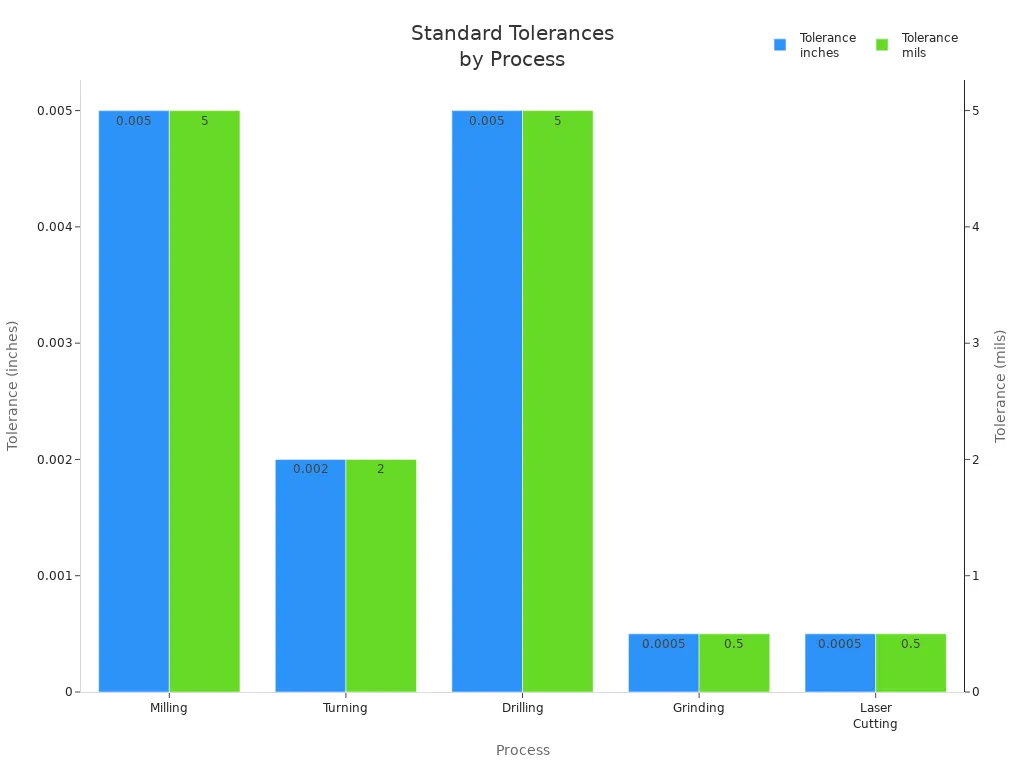
Laser drilling gives you the best tolerance of these methods. You get clean, exact holes with smooth edges. You also avoid tool wear and shaking, which can cause mistakes in regular drilling.
You may face some problems during laser drilling:
- Thermal damage: Use less power and shorter pulses to lower heat.
- Via wall roughness: Change the laser focus and repetition rate, then use chemical desmearing.
- Alignment errors: Use advanced imaging systems for exact positioning.
- Delamination: Control heat to stop layers from coming apart in composite materials.
- Burr formation: Watch for surface defects and change your settings if needed.
Laser drilling helps you make microvias and very small, exact holes for electronics, medical devices, and other high-tech products. You get repeatable results and high quality every time.
Tip: Regular checks and careful setup help you keep the best precision in your laser drilling projects.
Circuit board drilling and applications
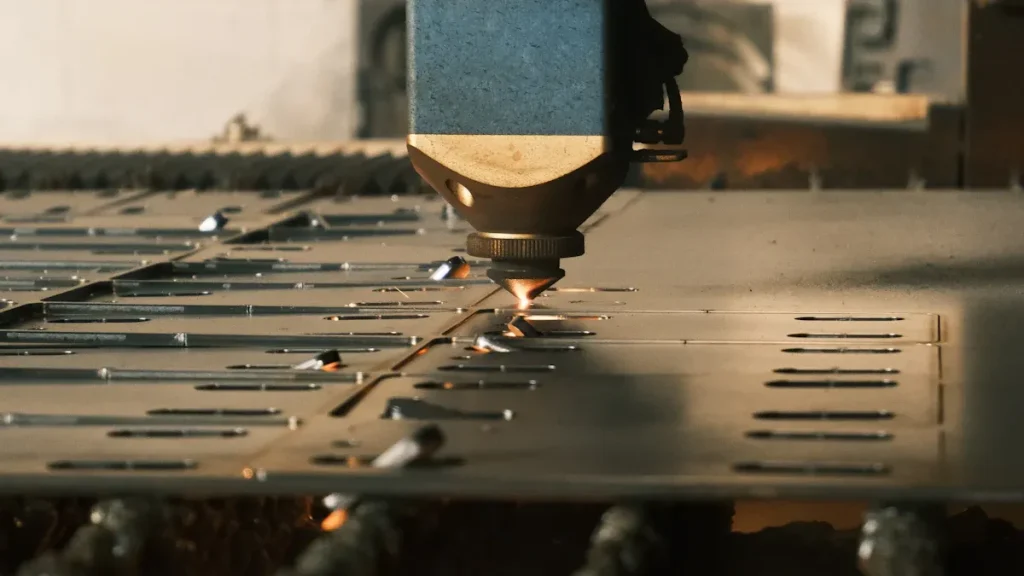
Circuit board drilling
Circuit board drilling makes paths for electrical signals. This shapes the pcb so layers and parts can connect. Laser drilling helps you make very small, exact holes. You can use it for many kinds of vias, like blind vias that link only some layers. Many industries use circuit board drilling:
- Cars and planes need strong pcbs for tough places.
- Medical tools and implants need tiny designs for bioelectronics.
- Phones and tablets use drilling for small, thin boards.
- Car systems need drilling for safe pcbs in new vehicles.
- Medical gear needs drilling for equipment that saves lives.
- Telecom uses drilling for fast boards in 5G networks.
Microvias in electronics
Microvias are important in new pcb designs. They connect layers in high-density interconnect pcbs. Laser drilling makes microvias as small as 0.1 mm with a 1:1 aspect ratio. You can make up to 9,000 microvias each second, much faster than regular drilling. Microvias lower signal loss because laser drilling makes smooth, even holes. You find microvias in HDI pcbs, rigid-flex and flexible pcbs, and RF and microwave pcbs. Blind vias and microvias help you build multi-layer, fast boards for advanced electronics.
Laser drilling is the main way to make microvias in HDI manufacturing. You do not need to change tools or worry about hurting the material. The process does not touch the board, so your pcb stays strong and works well.
Other industry uses
Laser drilling is used in many areas besides electronics. Aerospace companies drill exact holes in turbine blades for cooling. Car makers drill parts that need very exact holes. The energy field drills parts for better performance. You can drill metals, foams, plastics, composites, and ceramics with laser drilling.
| Industry | Application Description |
|---|---|
| Aerospace | Exact holes for cooling in turbine blades. |
| Automotive | Many uses needing precise drilling. |
| Energy | Used for drilling parts in the energy field. |
Tip: Laser drilling works for many materials and jobs, not just pcb making.
Benefits of laser drilling
Accuracy and repeatability
Laser drilling gives you the same results every time. It uses a focused light beam to make holes with high accuracy. In medical jobs, laser drilling can make very tiny holes. The holes are almost the same size and depth each time. This works even for tough materials. Laser drilling is fast. It can make many holes quickly. You can use it for jobs that need deep, narrow holes.
- Laser drilling gives you repeatable results.
- It drills faster than regular tools.
- You get clean holes with little difference.
Cost-effectiveness
Laser drilling helps you save money over time. The machines cost more at first, but you spend less later. You do not need new drill bits because lasers do not wear out. The process uses less energy and needs fewer workers. You can make more products in less time. This helps your business grow. Laser drilling also makes less waste, so you save on materials.
Here is a table that shows how laser drilling compares to regular drilling:
| Cost Aspect | Traditional Drilling | Laser Drilling |
|---|---|---|
| Initial Costs | Low machine cost | High machine cost |
| Operational Costs | High (tool changes, repairs) | Low (less maintenance, fewer workers) |
| ROI | Lower for precise jobs | Higher for quality and speed |
Laser drilling is better for the environment. It makes less waste and uses less energy. New systems can cut waste to less than 5%. Old ways can waste up to 30%.
Non-contact advantages
Laser drilling does not touch the material. This means you do not risk cracks or stress in your parts. You get good results, even with thin or delicate materials. The holes stay clean. You do not need to worry about tool marks.
Here is a table that shows the main non-contact advantages:
| Advantage | Description |
|---|---|
| High Precision | Makes very exact holes for detailed designs |
| Reduced Damage | Low risk of cracks or stress in the material |
| Improved Reliability | Fewer defects, better results for important jobs |
Laser drilling works for many materials, like metals and plastics. You can use it for electronics, cars, or medical tools. For example, in stainless steel, laser drilling can make tiny holes with a 10:1 aspect ratio and low taper. In food safety, laser drilling helps test edible oils quickly and safely.
Tip: Pick laser drilling when you need fast, accurate, and clean holes with less waste.
Laser drilling gives you lots of benefits for your work. You get quick results and save money. You can control the process better. Here are some ways laser drilling is special:
| Advantage | Description |
|---|---|
| Increased penetration | Drills faster than other ways |
| Reduced costs | Saves money on tools and supplies |
| Improved management | Makes drilling easier to handle |
| Enhanced capabilities | Works well for hard drilling jobs |
| Sustainable operations | Makes less waste and helps the planet |
You can use laser drilling for electronics, cars, or medical tools. This method is very exact and works with many materials.
| Feature | Description |
|---|---|
| Precision | Makes small, exact holes |
| Non-contact | Keeps delicate materials safe |
| Speed | Works fast and can use machines |
| Eco-friendly | Makes little waste |
If you want to know more, look at these links:
- Laser Drilling
- The challenges ahead for laser macro, micro, and nano manufacturing
- Fundamentals of laser machining of composites
- Laser Machining and Surface Treatment
- Via Technologies for MEMS
Laser drilling helps you make clean, exact holes for many jobs. Try it for your next project!
FAQ
What materials can you use with laser drilling?
You can use laser drilling on metals, plastics, ceramics, and even glass. Each material needs the right laser type and settings. Always test on a sample first to get the best results.
How small can a laser-drilled hole be?
Laser drilling can make holes as small as 0.01 mm. You can use this for microvias in electronics or tiny holes in medical devices. The exact size depends on your laser system.
Does laser drilling damage the material?
Laser drilling uses a focused beam, so most of the material stays cool. You avoid cracks and stress. If you use the right settings, you get clean holes with little damage.
Is laser drilling safe to use?
You must follow safety rules. Always wear protective glasses and keep the laser area closed. Most machines have safety features. You can work safely if you follow the instructions.