
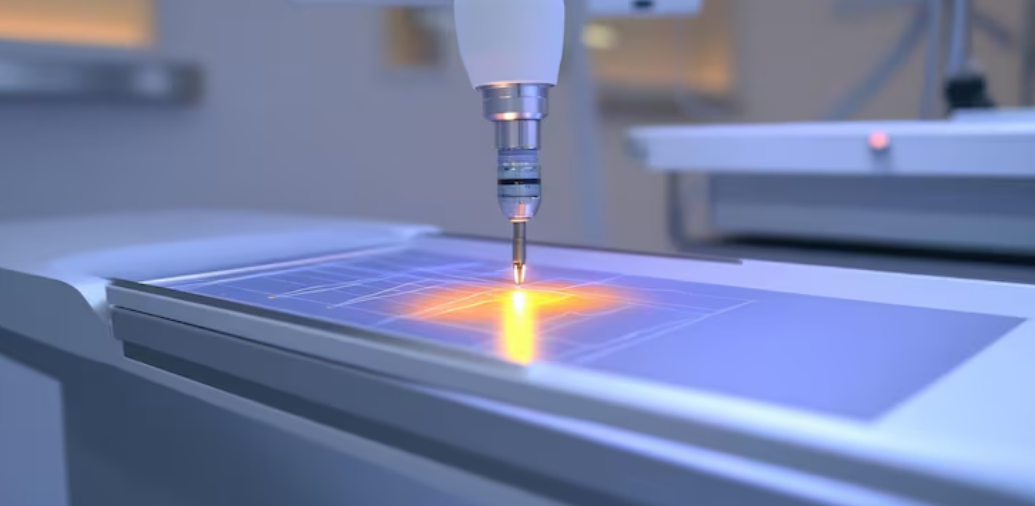
Ultra-high power fiber lasers operate in the 12 kW to 15 kW range, with some systems reaching up to 30 kW for demanding tasks. These lasers stand out due to their high power efficiency and excellent beam quality, which set them apart from traditional CO₂ lasers. Ultra-high power fiber lasers have become essential in modern industry and defense, supporting key applications such as welding, cutting, additive manufacturing, marking, engraving, and defense systems. Their applications extend across industries like automotive, shipbuilding, and aerospace, where thick materials require powerful and precise tools. The market for ultra-high power fiber lasers has grown rapidly, fueled by a need for efficiency and precision. However, challenges remain. Thermal effects, stimulated Raman scattering, beam quality, and cost continue to affect performance and adoption. As ultra-high power fiber lasers find new applications, industries seek solutions to these ongoing issues.
Key Takeaways
- Ultra-high power fiber lasers deliver high efficiency and excellent beam quality, making them ideal for precise cutting, welding, and manufacturing tasks.
- These lasers serve many industries like automotive, aerospace, defense, and medical devices by enabling faster, cleaner, and more reliable processing.
- Advanced cooling and design innovations help manage heat and improve laser stability, overcoming key challenges in high-power operation.
- Modular designs and AI integration boost scalability, automation, and consistent performance in industrial and defense applications.
- The market for ultra-high power fiber lasers is growing rapidly, driven by demand for energy-efficient, precise, and versatile laser solutions.
Ultra-High Power Fiber Lasers Explained
How Fiber Lasers Work
Fiber lasers generate and amplify light by passing electrical energy through a fiber optic cable doped with rare-earth elements, such as ytterbium. The process starts when pump diodes inject energy into the fiber, exciting the dopant atoms. These atoms release photons, which bounce back and forth inside the fiber, increasing the intensity of the light. The laser then emits a focused beam through the fiber’s end. The table below shows some performance data that highlight the efficiency of fiber lasers:
| Pulse Energy | Average Power | Conversion Efficiency |
|---|---|---|
| 18 mJ | 27 W | 57% |
Fiber lasers also use advanced methods to suppress nonlinear effects, such as Stimulated Brillouin Scattering (SBS) and Transverse Mode Instability (TMI), by utilizing multimode fibers.
What Makes Them Ultra-High Power
Ultra-high power fiber lasers stand out because of their advanced design and operational principles. The choice of pump technology plays a key role. The 915 nm pump technology provides a wider absorption peak for ytterbium-doped fiber, which leads to greater stability and control. The 976 nm pump technology, on the other hand, requires advanced heat management strategies due to higher laser output power. Innovative cooling methods and fusion point thermal management at fiber connections help maintain beam quality and prevent damage. Recent advancements in current fiber laser technology, such as modular designs, allow engineers to combine several lower-power modules to achieve ultra-high power levels. This approach makes it easier to handle power and reduce unwanted effects like Stimulated Raman Scattering.
Key Features and Benefits
Ultra-high power fiber lasers offer many advantages over conventional laser systems:
- Increased cutting and drilling precision
- Capability for finer details and intricate designs
- Reduction in heat-affected zones, which lowers material damage
- Enhanced efficiency for processing thin materials
- Superior edge quality, resulting in a smooth finish
- Excellent performance in microfabrication and handling fragile materials
Industries such as medical device manufacturing, microelectronics, aerospace, automotive, and jewelry benefit from these features. Fiber lasers provide high reliability and can operate continuously at high power without performance loss. This makes them ideal for demanding industrial and scientific applications.
Applications of High-Power Fiber Lasers
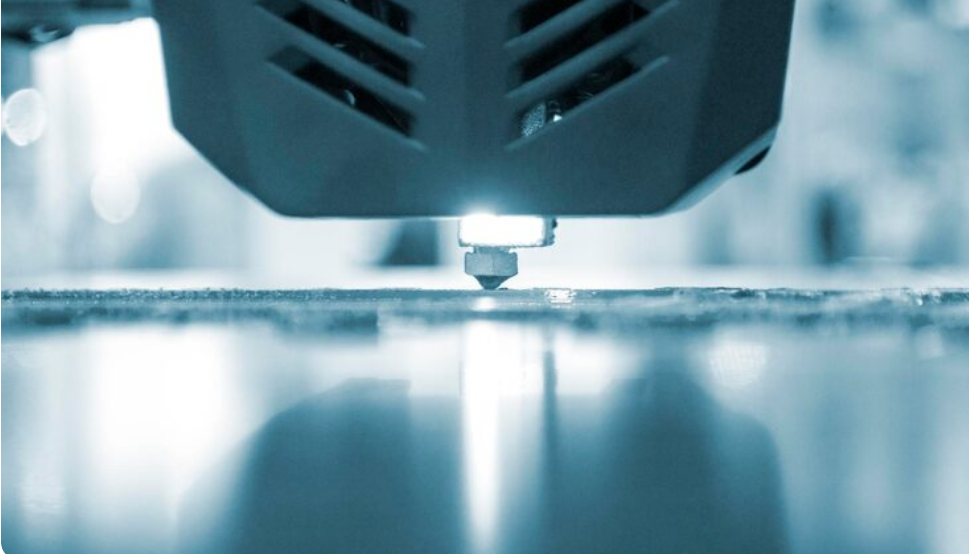
High-power fiber lasers have transformed many industries by offering unmatched efficiency, precision, and versatility. Their ability to deliver consistent results has made them a preferred choice for both industrial and defense applications. Recent advancements have pushed the boundaries of what these lasers can achieve, especially as multi-tens of kilowatt systems become more common.
Welding and Cutting
Industries such as automotive, shipbuilding, and mining rely on high-power fiber lasers for metal cutting and welding. These lasers can cut thick and large pieces of metal with high accuracy. In electric vehicle production, laser welding enables fast and reliable joints, which are essential for battery packs and lightweight frames. The following table highlights the main applications and recent trends:
| Application Type | Description |
|---|---|
| Metal Cutting | Used in heavy industries like naval manufacturing, railway, and mining for cutting thick and large pieces. |
| Welding | Essential for electric vehicle production, enabling high-speed, reliable welds with precise control. |
| Additive Manufacturing | Supports advanced manufacturing processes, particularly in automotive and aerospace sectors. |
| Recent Trends | Shift towards higher power outputs, improved beam quality, and increased automation in manufacturing. |
High-power fiber lasers offer several advantages over traditional methods:
| Advantage | Description |
|---|---|
| High Efficiency | Fiber laser welding machines produce high-quality welds much faster than traditional methods. |
| Versatility | Capable of welding various materials, including metals, plastics, and composites. |
| Cost-Effectiveness | Lower operational costs and reduced material waste lead to significant cost savings. |
| Minimal Heat-Affected Zones | Produces precise welds with less impact on surrounding materials, maintaining structural integrity. |
| Environmental Friendliness | Generates less waste and emissions compared to traditional welding methods, making it a greener option. |
High-power fiber lasers can weld materials such as X100 carbon-steel plates with a melting efficiency of 66%. They also achieve enhanced penetration compared to older laser systems. For example, a 2 kW fiber laser can perform lap welding on 1.2 mm thick steel at a speed of 5 meters per minute, matching the performance of a 4 kW traditional laser.
Additive Manufacturing
Additive manufacturing has seen rapid growth due to the unique capabilities of high-power fiber lasers. These lasers enable extremely accurate melting and fusion of metal powders, which ensures that finished parts match digital designs. This level of precision is critical for industries like aerospace and medical devices.
- Precision and tight tolerances allow for the creation of parts with high fidelity.
- Consistency and reliability make additive manufacturing suitable for both prototyping and full-scale production.
- Material versatility enables processing of metals such as titanium, aluminum, and superalloys, which are important for high-strength components.
- Material waste reduction is significant, with up to 90% less waste compared to traditional machining.
- Energy efficiency improves sustainability, with some sectors seeing up to 50% less energy use.
- Operational efficiency and cost savings result from faster prototyping and reduced assembly time.
- Design innovation becomes possible, as complex shapes can be produced that are impossible with older methods.
High-power fiber lasers support the shift toward more automated and flexible manufacturing environments. Their role in additive manufacturing continues to expand as industries demand lighter, stronger, and more complex parts.
Marking and Engraving
Marking and engraving require high speed and precision. High-power fiber lasers excel in these tasks by delivering sharp, clean edges with minimal material waste. They can mark up to 2,000 characters per second and operate on production lines moving at 200 meters per minute.
- Exceptional precision makes them ideal for intricate designs.
- High beam quality ensures crisp edges and high-contrast marks on metals.
- Consistent results reduce the need for additional finishing work.
- Energy efficiency and a solid-state design lower operational costs and maintenance needs.
These features make high-power fiber lasers a cost-effective solution for industries that require permanent, high-quality marks on products, such as electronics, medical devices, and automotive parts.
Defense and Directed Energy
Defense applications demand reliable and powerful laser systems. High-power fiber lasers have become essential in directed energy weapons and advanced targeting systems. Recent advancements have improved beam quality, steering, and cooling, which are critical for military use.
| Advancement Type | Description |
|---|---|
| Laser Beam Quality and Steering | Significant improvements in beam quality and steering enhance targeting accuracy. |
| Micro-Positioning Modules | Embedded modules allow for precise beam alignment, crucial for targeting fast-moving objects. |
| Size, Weight, Power, and Cooling Management | Innovations in these areas reduce overall system weight while increasing power output. |
| Laser Diode Pump Sources | Developments in compact, efficient sources enhance power and brightness, reducing SWaP-C. |
| Fiber Amplifier Technologies | Innovations in fiber amplifiers contribute to increased power and brightness for directed energy systems. |
Systems like the Crossbow directed energy platform use a single 3 kW optical fiber for mobile anti-UAS operations. The DragonFire laser weapon system demonstrates precision tracking and engagement in layered air defense. High-power fiber lasers deliver high-energy beams with excellent optical quality, making them vital for current and future military technologies. As research continues, new technologies such as liquid lasers may further increase power and efficiency in defense applications.
Challenges in Ultra-High Power Fiber Lasers
Managing Thermal Effects
Ultra-high power fiber lasers generate significant heat during operation. The active fibers can sustain heat loads between 40 and 100 W per meter. If not managed, this heat can limit the maximum single mode operation power to 6 kW, even though predicted maximum power exceeds 30 kW. The following table shows key thermal data:
| Evidence Description | Value |
|---|---|
| Maximum single mode operation power | 6 kW |
| Predicted maximum power | > 30 kW |
| Heat load sustained by active fibers | 40-100 W/m |
| Splice thermal resistance | 0.014 K/W |
| Standard coating thickness for cooling | 50-80 µm |
To address these challenges, engineers use advanced cooling techniques. Chilling mechanisms, such as water jackets and dry-ice chillers, help dissipate heat efficiently. Thermal analysis and heat generation studies guide the design of effective cooling systems. These methods maintain performance and prevent damage to the laser beam.
Stimulated Raman Scattering (SRS)
Stimulated Raman scattering presents a major challenge at high power levels. As the laser beam power increases, SRS effects become stronger and can distort the optical spectrum. Mode instability can further alter the Raman light spectrum, leading to unpredictable performance. SRS microscopy also finds use in chemical imaging, offering fast and high-contrast results in fields like biology and material science.
Beam Quality and Stability
Maintaining high beam quality and stability is essential for precise applications. Metrics such as Strehl ratio, beam parameter product (BPP), M² value, and power in bucket (PiB) help evaluate the laser beam’s performance. Lower M² values indicate better quality, while a high Strehl ratio means the beam closely matches an ideal system. Fluctuations in these metrics can reduce cutting accuracy and efficiency.
Cost and Scalability
Ultra-high power fiber lasers face several cost and scalability issues. Efficient heat dissipation and advanced cooling systems increase expenses. High initial investment remains a barrier, especially for small and medium enterprises. Technical complexity requires skilled personnel, and competition from more affordable alternatives, such as CO₂ and diode lasers, adds pressure. Fiber lasers achieve 25-30% electrical-to-optical conversion efficiency but still struggle with power scaling and processing reflective materials.
Innovations and Solutions in Fiber Lasers
Single-Mode and Doped Fiber Advances
Researchers have made important progress in single-mode and doped fiber designs. These advances help fiber lasers reach higher power levels and improve performance.
- Raman Scattering Suppressor (RSS) technology now works in both single-mode and multimode fibers. RSS reduces Stimulated Raman Scattering (SRS) at low power, which boosts system reliability.
- Mode-size scaling techniques, combined with cladding-pumped Ytterbium-doped fibers, increase the power and brightness of diode laser pumps.
- Mode-filtering methods suppress higher-order modes. This step is crucial for optimizing fiber laser output.
- Engineers design fibers to use mode-discrimination approaches. These methods enhance laser specifications and allow for better control.
Raman Scattering Suppression
Innovators have developed all-fiberized spectral filters that use the polarization dependence of Raman gain. This filter suppresses high order Stokes light and increases the output power of the first order Stokes light by nearly 49%. Experiments show that linearly polarized Raman fiber lasers can reach a maximum output power of 74.5 W. These improvements help fiber lasers operate more efficiently and maintain beam quality.
Advanced Cooling and Thermal Management
Managing heat is vital for ultra-high power fiber lasers. Engineers use several advanced cooling techniques:
| Technique | Description |
|---|---|
| Radiation Balancing | Uses anti-Stokes fluorescence cooling to achieve net cooling in fiber laser systems. |
| Excitation Balancing | Applies two wavelengths in a pulsed setup to create a negative quantum defect, reducing heat generation. |
| Low Thermo-Optic Coefficient | Employs fibers with low thermo-optic coefficients to minimize heat effects and improve stability. |
Radiation balancing and excitation balancing have led to better thermal management. Fibers with low thermo-optic coefficients help reduce heat-related problems, making lasers more stable and efficient.
Modular and Scalable Designs
Modular designs allow engineers to combine several lower-power modules to reach ultra-high power levels. This approach makes scaling easier and improves reliability.
- AI-driven tissue classification paired with closed-loop laser ablation control enables automated selective tissue removal. This innovation minimizes operator variability and ensures consistent outcomes.
- Radial emitting fibers at 1940 nm show excellent safety and efficacy in medical applications. Higher water absorption at this wavelength allows effective treatment at lower energy densities.
Ongoing research in ultrafast fiber lasers shows promise for future applications. Fiber-based ultrafast sources reduce maintenance and increase efficiency. Beam-parallelization and industrial optics raise throughput in processing. AI and machine learning optimize parameters for consistent quality. Hybrid manufacturing integrates these lasers for advanced micro-scale production. The infrared ultrafast fiber laser market is expected to grow rapidly, driven by expanding uses in science, industry, and healthcare.
Future Outlook for High-Power Fiber Lasers
Research and Development Trends
Researchers continue to push the boundaries of high-power fiber laser technology. They focus on innovation and customer-centric product development. Ultra-high brightness lasers improve beam quality for precision tasks. Advanced cooling techniques increase system stability and extend operational life. Modular laser architectures allow scalable and customizable solutions for many industries. Artificial intelligence and smart manufacturing technologies optimize performance and reduce downtime. Environmental sustainability drives the creation of energy-efficient laser systems. These trends shape the future by making lasers more reliable and adaptable.
- Continuous innovation leads to better laser weapons and industrial tools.
- AI integration helps manufacturers predict maintenance needs and improve productivity.
- Energy-efficient designs support global sustainability goals.
Expanding Industrial and Defense Applications
Industrial manufacturing uses high-power fiber lasers for precision cutting, welding, and additive manufacturing. These lasers account for about 60% of market demand. Defense and aerospace sectors represent around 20% of the market. They rely on laser weapons for missile defense and aircraft component processing. Electrification of vehicle fleets will drive over $12 billion in capital expenditure on laser manufacturing infrastructure from 2025 to 2030. Laser-based recycling and material recovery are emerging as important applications, especially for batteries and composites.
- Defense applications grow rapidly with government investments in high-energy weapons.
- The U.S. Department of Defense advances laser weapon systems that engage threats at lower costs.
- Integration of AI and machine vision creates advanced processing platforms.
- Laser weapons use high-energy laser beam technology for greater effectiveness.
Market Growth and Adoption
The high-power fiber laser market is projected to grow from USD 12.5 billion in 2024 to USD 25 billion by 2033. This growth reflects a compound annual rate of 8.7% from 2026 to 2033. Technological advancements in efficiency and power outputs drive adoption. Emerging markets like India and Southeast Asia show rising demand. Sustainability initiatives encourage industries to reduce waste and energy consumption.
| Metric | High-Power Fiber Lasers (HPFL) | Other Laser Technologies (e.g., CO2) |
|---|---|---|
| Projected CAGR (2026-2033) | 8.5% to 14% | 10-15% |
| Market Share | ~50% | N/A |
| Wall-Plug Efficiency | 30-40% | 10-15% |
Manufacturers seek versatile and environmentally friendly solutions. High-power fiber lasers offer better wall-plug efficiency and market share compared to older technologies. Laser weapons and high-energy laser beam systems will continue to play a key role in both industrial and defense sectors.
Ultra-high power fiber lasers play a vital role in both industry and defense.
- Military branches value these lasers for their high efficiency, excellent beam quality, and compact size.
- Recent innovations, such as all-fiber pump combiners and advanced system integration, help overcome power scaling and reliability challenges.
- The Laser Weapon System on the USS Ponce shows the real-world impact of these technologies.
Investment in research and development continues to drive improvements in energy efficiency and expand application areas. Artificial intelligence now supports real-time monitoring and predictive maintenance, making laser systems smarter. Ongoing advancements promise new uses and greater performance. Readers should watch for future breakthroughs in this fast-changing field.
FAQ
What industries use ultra-high power fiber lasers?
Automotive, aerospace, shipbuilding, electronics, and defense industries use these lasers. They rely on fiber lasers for cutting, welding, marking, and advanced manufacturing. Medical device makers also use them for precise fabrication.
Are ultra-high power fiber lasers safe to operate?
Operators must follow strict safety guidelines. Protective eyewear and shields are required. Automated systems help reduce risks. Training ensures safe handling of high-power beams.
How do fiber lasers compare to CO₂ lasers?
| Feature | Fiber Lasers | CO₂ Lasers |
|---|---|---|
| Efficiency | Higher | Lower |
| Maintenance | Lower | Higher |
| Beam Quality | Excellent | Good |
Fiber lasers offer better efficiency and lower maintenance.
What is the future of ultra-high power fiber lasers?
Researchers expect more powerful, efficient, and compact lasers. Artificial intelligence will improve control and reliability. New applications in recycling, medicine, and defense will appear.