


Single-Mode Fiber Lasers are best for jobs needing high accuracy and great beam quality. Multi-mode lasers are better when saving money and having more power is more important than being exact. What you need often depends on three main things:
- How far the beam needs to go
- How exact the work must be
- How much money you can spend
Beam quality, signal strength, and evenness are very important when picking the right laser for your job.
Key Takeaways
- Single-mode fibers send a strong and clear signal far away. They are good for jobs that need high accuracy.
- Multi-mode fibers let light travel in many paths. This helps for short distances and saves money.
- The fiber’s core size changes how it works. Single-mode has a small core for better accuracy. Multi-mode has a bigger core for more flexibility and lower price.
- Think about distance, power, and money before you pick a fiber laser. You should choose single-mode or multi-mode based on your project.
- Picking the right fiber laser can make things work better and faster. It helps in many areas, like factories and phone networks.
Quick Guide: Choosing Single-Mode or Multi-Mode Fiber Lasers
Application-Based Recommendations
Picking the right fiber laser depends on what your project needs. Each type—singlemode and multimode—has special strengths for different jobs. The table below shows which laser works best for common uses:
| Application Scenario | Recommended Type | Reasoning |
|---|---|---|
| Long-distance communication | Singlemode | Keeps the signal strong over very long distances |
| High-precision cutting or welding | Singlemode | Gives a steady, focused beam for detailed and accurate work |
| Short-distance data transmission | Multimode | Cheaper and simple to set up for short distances |
| Local area networks (LANs) | Multimode | Handles fast data in indoor places |
| Budget-sensitive projects | Multimode | Costs less at first and uses easy hardware |
| Harsh outdoor environments | Singlemode | Keeps the signal clear and works well outside |
Tip:
Pick singlemode for jobs that need high accuracy and long distance. Use multimode for short, low-cost setups.
Key Factors for Selection
When you choose between singlemode and multimode fiber lasers, think about these main things:
- Distance:
Singlemode fiber lasers send signals far without losing quality. Multimode fibers are best for short runs, usually less than two kilometers. - Beam Quality and Precision:
Singlemode fibers have a small core. Only one light path can travel through. This means less signal loss and a clean, sharp beam. Multimode fibers have a bigger core. Many light paths can travel, which can blur the signal and make it less exact. - Bandwidth and Speed:
Singlemode gives higher bandwidth and is good for networks that need to grow. Multimode has lower bandwidth, which works for most local networks but may not be enough later. - Cost:
Multimode systems usually cost less to buy and set up. Singlemode needs more careful parts, so it costs more at first but lasts longer in tough places. - Application Environment:
Singlemode is great for outdoor or factory use where you need it to work well. Multimode is good for indoor places like data centers.
Here is a table that compares the main points:
| Criteria | Singlemode Fiber Laser | Multimode Fiber Laser |
|---|---|---|
| Core Diameter | 8-10µm | 50-62.5µm |
| Bandwidth | Very wide, good for long distances | Not as wide because of signal blur |
| Distance | Very far, up to hundreds of kilometers | Less than two kilometers |
| Light Source Wavelength | 1310nm or 1550nm | 850nm |
| Cost | Higher | Lower |
| Application Environment | Outdoor, long-distance | Indoor, short-distance |
Note:
The most important thing is distance. For long trips, singlemode is best. For short, cheap links, multimode usually works fine.
Single-Mode Fiber Lasers: Features and Benefits
Beam Quality and Signal Integrity
Singlemode fiber lasers are known for their great beam quality and strong signals. The core is very narrow, about 9 micrometers wide. Only one light path can go through it. This helps stop signal loss and keeps the beam sharp. Signal loss is about 0.2 dB per kilometer at 1550 nm. This is much less than what multimode fibers lose. Data stays clear even when sent far away. Networks with singlemode can go over 80 kilometers without boosters. This gives users steady performance and saves money.
Note:
Singlemode fibers keep data safe by lowering signal spread. This matters for jobs that need signals to be exact and steady.
Long-Distance Performance
Singlemode fiber lasers are best for sending signals far. Their design lets signals travel tens or even hundreds of kilometers with little loss. Many times, singlemode can reach 40 kilometers or more without help. If you use optical amplifiers, the distance gets even longer. This is why singlemode is picked for long and city-wide networks.
| Fiber Type | Maximum Transmission Distance | Key Characteristics |
|---|---|---|
| Singlemode | Tens to hundreds of kilometers | Very little signal loss, almost no modal dispersion |
| Multimode | 100 to 550 meters | Modal dispersion limits distance, good for short runs |
Typical Applications
Singlemode fiber lasers are used in many fields that need accuracy and long reach. In electronics, they help drill PCBs and cut tiny shapes. The automotive industry uses them for welding, cutting, and treating metal parts. These lasers also help with fast communication networks and science work.
| Industry | Applications |
|---|---|
| Electronics | PCB drilling, microcutting, shaping materials like silicon and ceramics |
| Automotive | Welding, cutting, treating surfaces of metal parts |
Singlemode fiber lasers give high beam quality, steady signals, and very long reach. These things make them important for tough jobs in new technology.
Multi-Mode Fibers: Characteristics and Uses
Core Size and Uniformity
Multimode fibers have a bigger core than single-mode types. The core is usually between 50 and 62.5 micrometers wide. This bigger core lets many light paths move at once. When these paths mix, the beam becomes more even. Having an even beam is important for jobs that need steady laser power, like medical work and factory jobs. A bigger core can also make images look better if everything is set up right. But the best core size depends on where and how you use the fiber. Both the size and evenness of the core are important for how well multimode lasers work.
Cost-Effectiveness for Short Distances
Multimode systems help save money, especially for short distances. The parts used, like transceivers and connectors, cost less than single-mode parts. It is also easier to install and does not need as much care. This makes multimode a good choice when you do not want to spend a lot and the distance is under two kilometers. The table below shows how costs compare:
| Fiber Type | Cost Factors | Total Cost Implications |
|---|---|---|
| Single-Mode | Expensive transceivers, precise installation | Better for long links |
| Multi-Mode | Cheaper optics, easy setup | Best for short, cost-sensitive links |
Tip:
Multimode transceivers cost much less than single-mode ones, so multimode is often picked for local networks and data centers.
Common Applications
Multimode lasers are used in many different jobs. They are common in factories for high-power work like laser welding and cutting. These lasers help car makers and metal shops work faster. Multimode is also used in advertising when strong lasers are needed. In communication, multimode fibers move data quickly in local area networks and data centers. More people want multimode continuous wave fiber lasers, especially for jobs that need strong and steady laser power.
| Characteristic/Advantage | Description |
|---|---|
| Higher-order transverse modes | Multimode lasers can work in higher transverse modes, making more than one light peak. |
| Higher output power | They usually give more power, so they are good for high-power jobs. |
| Cost-effectiveness | They are cheaper to make than single-mode lasers, so they are used when saving money is important. |
| Wider application areas | Used in factories, advertising, and other places that need strong lasers. |
| Beam quality (higher M2 factor) | A higher M2 factor means the beam is less sharp and spreads out more, which works for many uses. |
Multimode fibers are flexible, strong, and save money for many short-distance and high-power jobs.
Fiber Optic Cable Construction Differences

Single-Mode vs. Multi-Mode Core Diameter
A fiber optic cable carries light signals using a glass core. The size of this core changes how the cable works. Single-mode and multi-mode fiber optic cable types have different core diameters. Single-mode fiber optic cable has a very small core, usually between 8 and 10 microns wide. Multi-mode fiber optic cable has a much larger core, either 50 or 62.5 microns wide. The table below shows the main differences:
| Fiber Type | Core Diameter (microns) | Light Wavelength (nm) | Transmission Mode |
|---|---|---|---|
| Single-mode | 8 to 10 | 1310 or 1550 | Single |
| Multi-mode | 50 or 62.5 | 850 | Multiple |
A single-mode fiber optic cable lets only one light path travel through the core. This design keeps the signal clean and focused. A multi-mode fiber optic cable allows many light paths to move at the same time. This makes the signal spread out more inside the fiber optic cable.
Tip:
The core size is the most important part of a fiber optic cable. It decides how the cable sends light and how far the signal can go.
Impact on Laser Performance
The core diameter of a fiber optic cable changes how well a laser works. A single-mode fiber optic cable supports only one mode, which means the signal stays strong and clear over long distances. Multi-mode fiber optic cable supports many modes, so the signal can blur and lose strength faster. The table below explains these effects:
| Fiber Type | Core Diameter | Modes Supported | Bandwidth Impact | Transmission Distance |
|---|---|---|---|---|
| Single-Mode | Small (~8.4µm) | 1 | High | Long (tens to hundreds of km) |
| Multi-Mode | Larger (~50µm) | Multiple | Lower | Short (limited to under 2km) |
A single-mode fiber optic cable gives high bandwidth and works well for long-distance jobs. Multi-mode fiber optic cable is better for short distances, like inside buildings or on a campus. The larger core in a multi-mode fiber optic cable lets it handle more power, but the signal does not stay as sharp. Choosing the right fiber optic cable depends on how far the signal needs to travel and how clear it must stay.
Note:
Picking the right fiber optic cable helps keep your laser system working at its best. Always match the cable type to your distance and quality needs.
Performance Comparison: Speed, Power, and Precision
Beam Dispersion and Stability
Single-mode fiber lasers make a thin, focused beam. The beam moves in just one path. This keeps it steady and stops it from spreading out. The middle of the beam is the brightest part. This shape is called a Gaussian profile. Because of this, the beam does not blur as it travels far. Multi-mode fiber lasers have a bigger core. They let many light paths move at different speeds. This makes the beam spread out more. The signal can get blurry and less steady. The energy spreads across the whole beam, but the quality drops if the beam goes far. If you need to be very exact, single-mode lasers are better. They keep the beam steady and lose less signal.
Note:
Single-mode fibers keep the beam steady and sharp. Multi-mode fibers can lose quality over long distances because the beam spreads out.
Power Output Differences
How much power a fiber laser gives depends on its core size and how it is made. Multi-mode fiber lasers can give more power because their core is bigger. This means they are good for hard jobs like welding or cutting thick things. Single-mode fiber lasers have a smaller core. They make less power, but they are great for small, careful jobs. These jobs include marking or cutting thin things where being exact is important.
| Feature | Single-Mode Fiber Lasers | Multi-Mode Fiber Lasers |
|---|---|---|
| Core Diameter | 8-9 micrometers | 50-100 micrometers |
| Power Output | Several milliwatts to hundreds of watts | Higher power levels |
| Precision | High, ideal for fine detail | Lower, suitable for thicker materials |
| Speed | Slower, small spot size | Faster, larger spot size and power |
- Single-mode fiber lasers are best for being exact and making a good beam.
- Multi-mode fiber lasers are better for high power and working fast with tough things.
Pick the right laser for your job. Use single-mode for careful work. Use multi-mode for jobs that need more power and speed. This helps you get the best results for each use.
Cost and Integration Considerations
Initial Investment and Maintenance
Picking between single-mode and multi-mode fiber lasers starts with cost. Single-mode fiber lasers cost more at first. Their parts need to be lined up very carefully. They use special materials, so the price goes up. Multi-mode fiber lasers use cheaper parts. Their bigger core makes them easier to put together. Many companies choose multi-mode lasers when money is tight.
Maintenance is important too. Single-mode systems need gentle care. Their small core can get dirty or move out of place easily. Cleaning and checking them takes extra time. Multi-mode lasers are easier to handle. Their bigger core keeps out dust and stays lined up better. This means less time fixing them and lower costs later.
Tip:
To save money over time, look at both the price to buy and the cost to keep the system working.
Compatibility with Existing Systems
How well the laser fits with your equipment matters a lot. Single-mode fiber lasers work best in networks that need fast data and long distances. They are good for telecom and big factories. Multi-mode fiber lasers are used in local networks and short links. Their design makes them easy to match with connectors and other parts.
The table below shows how each laser fits different systems:
| Type of Laser | Applications | Advantages |
|---|---|---|
| Single-Mode | Long-distance data transmission | Higher data rates, reduced signal loss, efficient for telecom |
| Multi-Mode | Short-distance applications | Easier alignment, suitable for campus networks, simple upgrades |
Single-mode lasers are better for advanced networks. Multi-mode lasers are faster to set up for smaller jobs. Always check your equipment before picking a laser.
Note:
Choosing the right laser for your network helps you avoid extra costs and problems.
Pros and Cons: Single-Mode vs. Multi-Mode Fiber Lasers
Advantages of Single-Mode Fiber Lasers
Single-mode fiber lasers have many good points for tough jobs.
- They keep signal loss very low, only 0.2 dB per kilometer at 1550 nm. This is much less than multi-mode fibers can do.
- The core is small, about 9 micrometers wide. Only one light path fits inside. This keeps the signal clear and stops data from spreading out.
- Networks with single-mode fibers can go over 80 kilometers without needing extra help. This saves money and makes long-distance projects more reliable.
These benefits make single-mode fiber lasers best for careful work and sending signals far.
Advantages of Multi-Mode Fibers
Multi-mode fibers have their own good points for many jobs. The table below shows the main benefits:
| Advantage | Description |
|---|---|
| Higher Power Output | New technology lets these fibers reach power over 100kW. This helps with fast cutting and welding thick materials. |
| Improved Beam Quality | Better fiber design and pumping give more steady and predictable beams. |
| Cost Reduction | Lower costs per watt make these lasers easier for more people to use. |
Multi-mode fibers are picked for their high power and low cost in short-distance and factory jobs.
Disadvantages of Each Type
Both types of fiber lasers have some problems users should know about. The table below lists the main drawbacks:
| Disadvantage | Description |
|---|---|
| Technical Complexity | Single-mode fiber lasers need high beam quality and careful setup to work well. |
| Alignment Challenges | The small core makes it hard to line up the fiber and keep the signal strong. |
| Signal Distortion | Single-mode fibers cannot bend much or the signal gets weak. |
Multi-mode fibers also have some downsides.
- Modal dispersion happens because different light paths move at different speeds. This makes the signal messy over long distances.
- The beam can get less sharp, so they are not good for careful jobs.
- Data may not stay safe if the fiber is used for long links.
Knowing the good and bad points of each type helps users pick the right laser for their job.
Application Matching: Industrial, Medical, and Communication
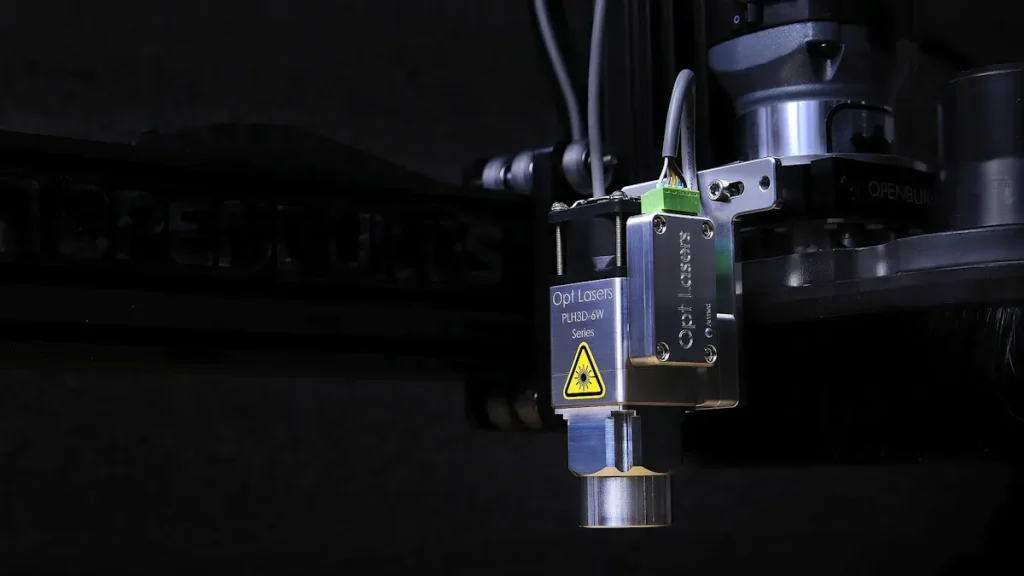
Industrial Cutting and Welding
Fiber lasers are important in factories today. Single-mode and multi-mode fiber lasers help with cutting and welding. Each type has its own strengths. The table below shows how they are different:
| Feature | Single-Mode Fiber Lasers | Multi-Mode Fiber Lasers |
|---|---|---|
| Energy Distribution | Gaussian distribution, concentrated energy | Flat-top distribution, multiple energy points |
| Suitable Applications | Deep fusion welding, micro connections | Shallow welding, large area applications |
| Beam Quality (M² Factor) | M² < 1.3 (high quality) | M² > 2.0 (lower quality) |
| Core Diameter | Small (14μm), high energy density | Larger, lower energy density |
| Heat-Affected Zone | Small, less thermal deformation | Larger, more thermal deformation |
| Power Capability | Up to 3000W, suitable for fine control | Up to 10,000W, suitable for thicker materials |
| Welding Stability | Less stable at low speeds, prone to spatter | More stable, can handle varying material thickness |
| Keyhole Size | Small, better penetration | Large, less penetration |
Tip: Single-mode lasers are best for careful work. Multi-mode lasers give more power for big jobs.
Medical and Scientific Uses
Fiber lasers are used in medicine and science. Single-mode lasers are picked when accuracy and safety matter most. Multi-mode lasers are used for bigger treatment areas. Here are some common uses:
- Single-mode fiber lasers are used for eye surgery, skin care, and special microscopes. These lasers use certain wavelengths to keep eyes safe.
- Scientists use single-mode lasers for optical tweezers, cold atom studies, and measuring things very closely. These jobs need the laser to be steady and exact.
Note: Single-mode lasers are chosen for careful medical work and science tests that need good results.
Telecommunications and Sensing
Fiber lasers help run phone and internet networks. They are also used for sensing things. The table below shows what each type does:
| Fiber Type | Application Area | Key Characteristics |
|---|---|---|
| Single-Mode | Long-distance telecommunications | Low signal loss, small core, less signal blur, works over 80 km without help. |
| Multi-Mode | Short-distance applications | Bigger core, many light paths, good for buildings or campuses but not for long trips. |
| Sensing | Precision measurements | Single-mode fibers are used to measure bending and temperature using special effects. |
- Single-mode fibers have a core size of 8.3 μm and lose about 0.2 dB/km at 1550 nm. They are great for sending signals far.
- Multi-mode fibers have a core size of 50–62.5 μm and can lose up to 3.5 dB/km. They work best for short links.
Tip: Use single-mode fibers for long networks and careful sensing. Multi-mode fibers are good for fast, short links inside buildings.
Summary Chart: Single-Mode vs. Multi-Mode Fiber Lasers
To pick the right fiber laser, you need to know the main differences between single-mode and multi-mode types. The chart below shows the most important features side by side. This makes it easy for people to see which laser fits their needs.
| Metric | Single-Mode Fiber (SMF) | Multi-Mode Fiber (MMF) |
|---|---|---|
| Core Diameter | 9 µm | 50 µm or 62.5 µm |
| Light Propagation | Single direct path | Multiple light paths |
| Beam Quality | High, focused | Lower, more spread |
| Transmission Range | Up to hundreds of kilometers | Up to 2 kilometers |
| Bandwidth | High | Lower |
| Power Output | Lower, precise | Higher, less precise |
| Cost | Higher initial investment | Lower initial investment |
| Installation | Needs precise alignment | Easier to install |
| Best Use Case | Long-distance, high-bandwidth | Short-distance, cost-sensitive |
Note:
Single-mode fiber lasers are best for jobs that need to go far and be very exact. Multi-mode fiber lasers work well for short jobs and when you need more power but want to save money.
Key Takeaways
- Single-mode fibers send light in one path. This keeps the signal strong and clear even when it goes far.
- Multi-mode fibers let light move in many paths. This makes them good for short distances and when you need more power.
- The core size matters a lot. Single-mode has a small core for better accuracy. Multi-mode has a bigger core for more choices and lower cost.
- Always think about how far your signal must go, how much power you need, and how much you can spend before picking a fiber laser.
This chart is a quick guide for engineers, technicians, and anyone making choices. It helps you find the right fiber laser for your job every time.
Picking the right laser for your job means you need to think about power, where you will use it, and how much money you have. Single-mode fiber lasers work better for sending data fast and far or when you need to be very exact. Multi-mode lasers are good if you want to save money or only need to send signals a short way. You should always check how good the beam is and if the signal stays strong before you choose. If your project is special, ask experts for help so you get the best single-mode fibers and system for your needs.
FAQ
What is the main difference between single-mode and multi-mode fiber lasers?
Single-mode fiber lasers have a small core. This helps light move in one path. Multi-mode fiber lasers have a bigger core. This lets light move in many paths. Because of this, they are different in how much data they can send, how clear the signal is, and how far the signal can go.
Why does bandwidth matter in fiber laser applications?
Bandwidth tells us how much data can move at one time. If the bandwidth is high, data moves faster. Single-mode fibers have more bandwidth. This means they can send data quickly over long distances. Multi-mode fibers have less bandwidth. This can make them not work for some jobs.
How does core size impact light transmission and bandwidth?
A small core in single-mode fibers keeps light in one path. This helps the fiber send more data and go farther. Multi-mode fibers have a bigger core. This lets light move in many ways, but it lowers how much data can go through and how far it can travel.
Which fiber type is better for long-distance transmission?
Single-mode fibers are best for sending signals far. They keep the light steady and can send lots of data. Multi-mode fibers are better for short trips. Their bandwidth gets lower when the distance gets longer.
Can multi-mode fiber lasers support high-speed data transmission?
Multi-mode fiber lasers can send data fast, but only for short distances. Their bandwidth is not as high as single-mode fibers. This means they are not good for sending data far. If you need to send data fast and far, single-mode fibers are the best choice.