
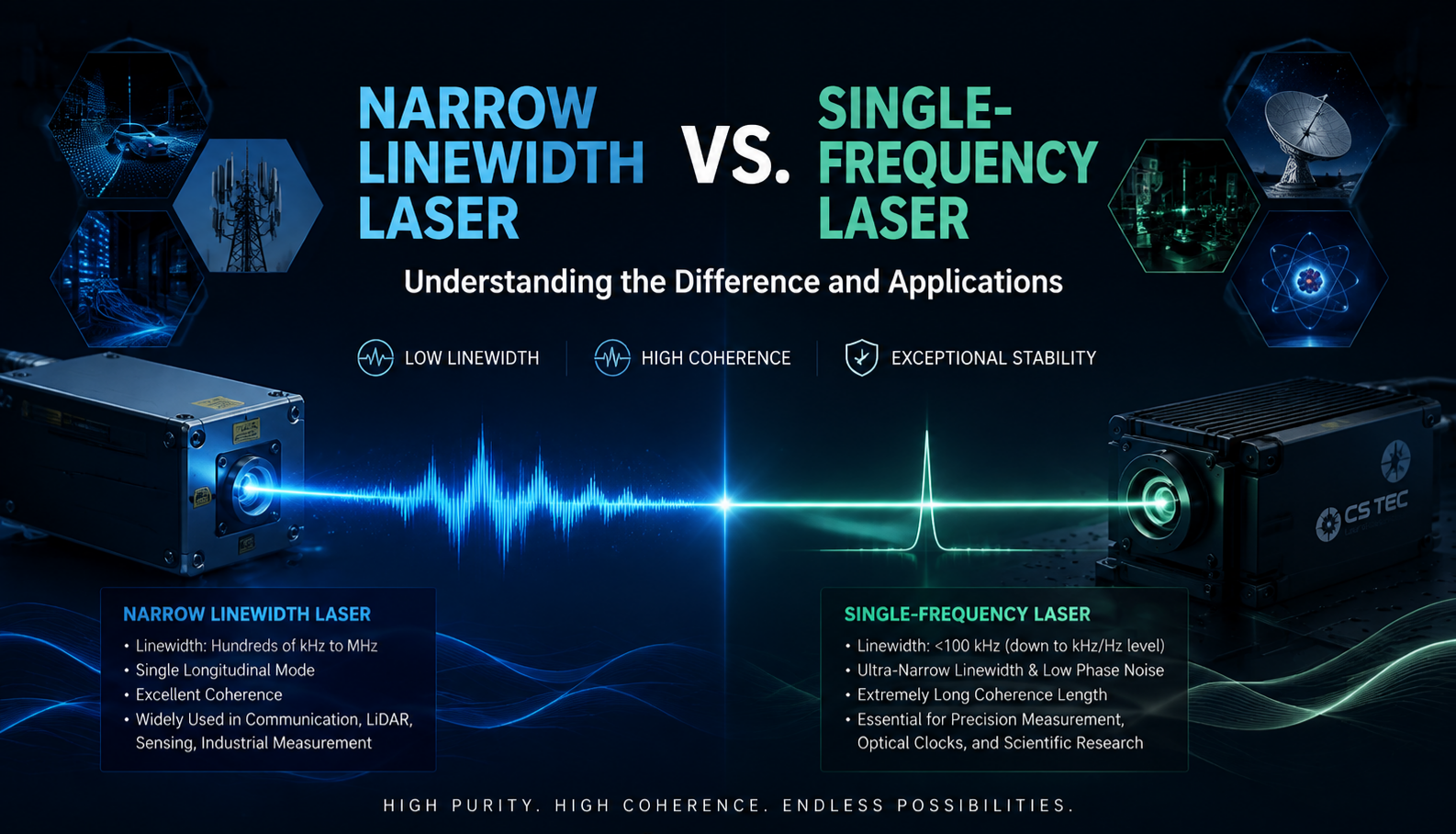
Narrow Linewidth Laser vs. Single-Frequency Laser: Understanding the Difference and Applications
Introduction
In the world of advanced photonics, especially in fields such as precision measurement, optical communication, coherent sensing, and LiDAR, two terms are frequently mentioned together: narrow linewidth lasers and single-frequency lasers.
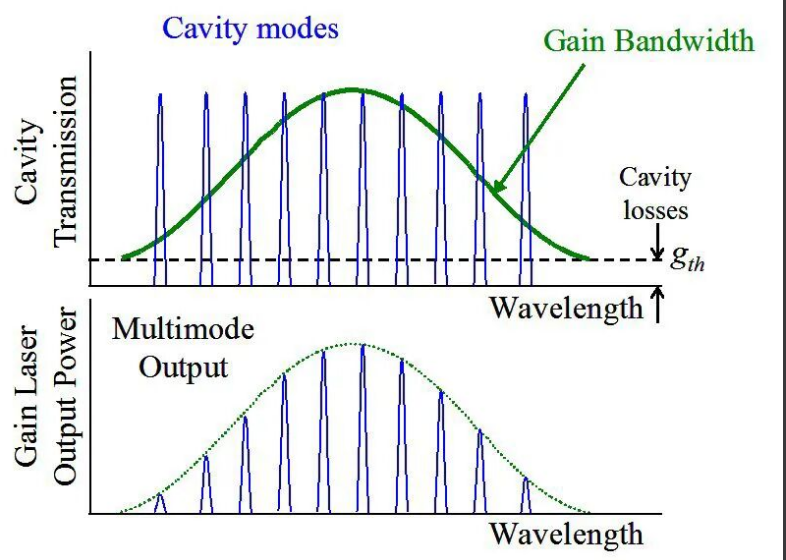
Although they are closely related and sometimes used interchangeably, they are not exactly the same.
Understanding the difference between them is important when selecting the right laser source for demanding applications requiring high spectral purity, long coherence length, and low phase noise.
What Is Laser Linewidth?
Laser linewidth refers to the spectral width of a laser output, usually measured by Full Width at Half Maximum (FWHM).
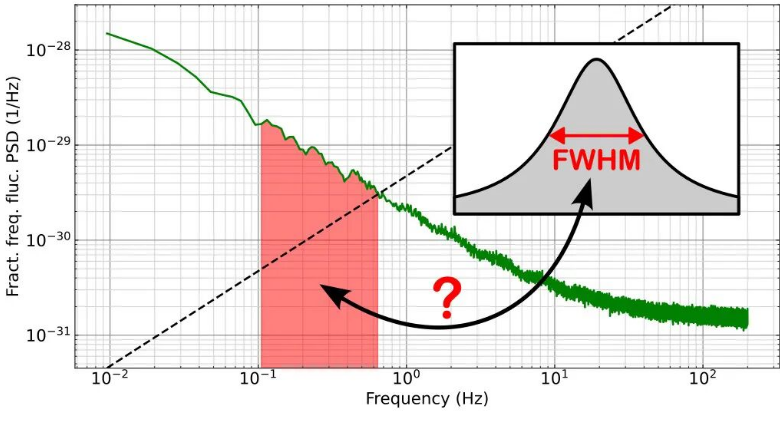
Simply speaking, linewidth describes how concentrated the laser energy is around its central wavelength.
A narrower linewidth means:
- Higher spectral purity
- Longer coherence length
- Lower phase noise
- Better frequency stability
A broad-linewidth laser is like a signal containing multiple unwanted frequencies, while a narrow-linewidth laser behaves more like a highly stable and pure optical reference.
What Is a Narrow Linewidth Laser?
A narrow linewidth laser refers to a laser source with a significantly reduced optical spectrum compared with conventional multimode lasers.
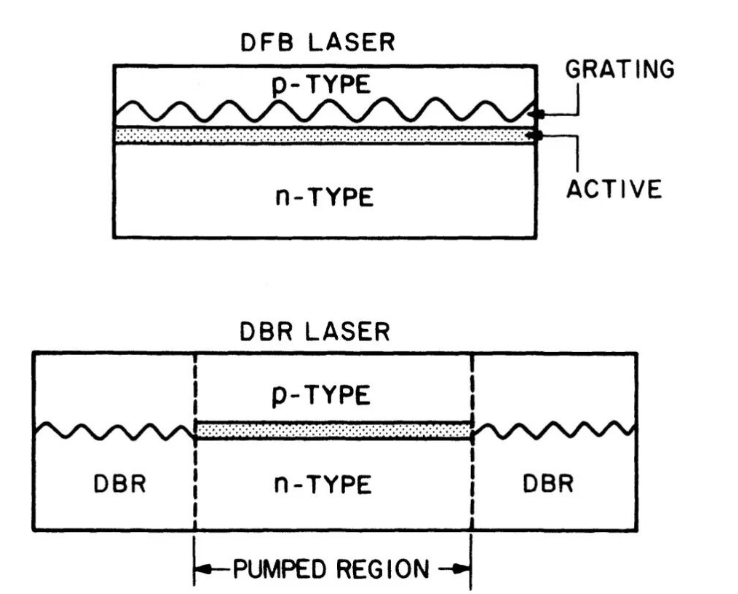
In many industrial applications, narrow linewidth lasers typically feature:
- Single longitudinal mode operation
- Linewidth ranging from hundreds of kHz to several MHz
- Excellent wavelength stability and coherence performance
Common technologies include:
- DFB (Distributed Feedback) lasers
- DBR (Distributed Bragg Reflector) lasers
- Narrow linewidth fiber lasers
Due to their balance between performance and cost, narrow linewidth lasers are widely used in:
- Optical communication systems
- LiDAR
- Fiber optic sensing
- Industrial measurement
- Coherent detection systems
What Is a Single-Frequency Laser?
A single-frequency laser represents a higher level of spectral purity.
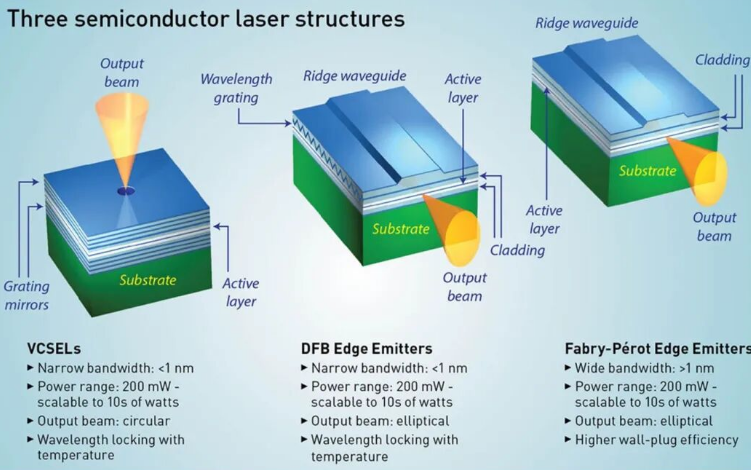
It generally requires:
- Single longitudinal mode output
- Extremely narrow linewidth (often below 100 kHz, with advanced systems reaching kHz or even Hz levels)
- Very low phase noise
- Extremely long coherence length
To achieve such performance, single-frequency lasers often use advanced technologies including:
- External cavity structures
- Long cavity fiber lasers
- Narrow-band wavelength locking
- Active frequency stabilization
Typical applications include:
- Optical clocks
- Gravitational wave detection
- Cold atom physics
- High-resolution spectroscopy
- Coherent laser communication
Narrow Linewidth Laser vs. Single-Frequency Laser
| Feature | Narrow Linewidth Laser | Single-Frequency Laser |
|---|---|---|
| Linewidth | Hundreds of kHz to MHz | Usually <100 kHz, down to kHz/Hz |
| Mode | Single longitudinal mode | Ultra-pure single longitudinal mode |
| Phase Noise | Low | Extremely low |
| Coherence Length | Long | Extremely long |
| Technology Difficulty | Medium | Advanced |
| Cost | More economical | Higher |
| Applications | Communication, LiDAR, sensing | Precision measurement, scientific research |
Simply put:
Narrow linewidth lasers provide excellent frequency purity for industrial applications, while single-frequency lasers represent the ultimate pursuit of spectral perfection.
The Relationship Between Narrow Linewidth and Single-Frequency Lasers
Although different in performance level, these two technologies share the same goal:
Creating a more stable, purer, and more coherent optical source.
A single-frequency laser can be considered an advanced form of narrow linewidth laser, where additional technologies are applied to further reduce linewidth and phase noise.
Both technologies rely on similar principles, including:
- Precise optical cavity design
- Frequency-selective feedback
- Advanced wavelength control technologies
The difference lies in the level of precision and stability required.
CS Tec Narrow Linewidth Laser Solutions
At Wuhan CS Tec, we focus on developing high-performance laser solutions for advanced industrial and research applications.
Our narrow linewidth laser solutions feature:
- High spectral purity
- Excellent wavelength stability
- Low noise operation
- Customizable wavelength ranges
- Flexible integration options
With professional experience in laser source development, CS Tec provides customized solutions for applications including:
- Coherent sensing
- Fiber optic communication
- LiDAR systems
- Precision measurement
- Advanced photonics research
As photonics technology continues to evolve, the demand for cleaner, more stable, and more precise laser sources is rapidly increasing.
CS Tec is committed to providing reliable laser technologies that enable the next generation of optical innovation.
Wuhan CS Tec — Your Reliable Laser Solution Partner.