


You see laser welding is changing how people make things. Many factories use this technology now. It helps them work faster and keeps places cleaner.
- Almost 30% of factories in rich countries use laser welding to work better.
- More than 25 million electric cars use laser welding to be lighter.
- In the EU, car makers make cars 20% lighter with this process.
| Advantage | Explanation |
|---|---|
| Advanced Material Compatibility | Laser welding joins sensitive materials without hurting them. |
| Enhanced Efficiency | You finish work faster and save money. |
| Environmental Sustainability | This process makes less waste and uses less energy. |
Key Takeaways
- Laser welding helps factories make things much faster. It can be up to ten times quicker than old ways. Automation in laser welding lowers worker costs. It also helps machines work better. One worker can watch many machines at once. This technology makes less waste and less pollution. It keeps the workplace cleaner and safer for people. Laser welding is very exact. This means there are fewer mistakes. There is less fixing needed after. This saves both time and money. Laser welding can work on many different materials. This makes it great for cars, electronics, and airplanes.
Laser welding speeds up manufacturing
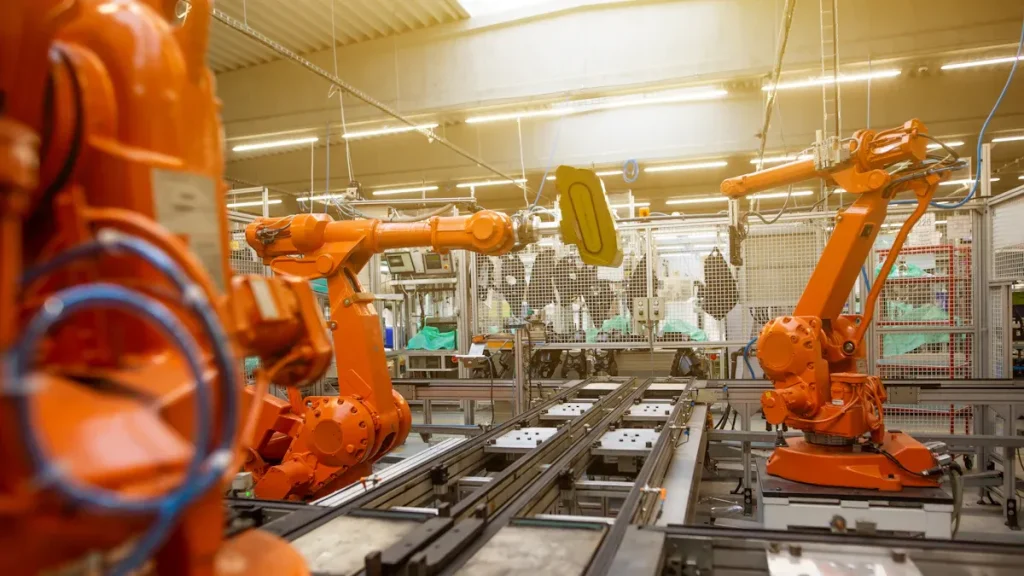
Faster processing and cycle times
You want to work fast and keep products strong. Laser welding helps with both. This method works much quicker than older welding. You can weld up to ten times faster than MIG welding. You make more products in less time.
Many modern factories use laser welding now. Over 35% of high-tech plants started using it last year. People trust laser welding to help them make more things. Car companies use automated laser welding for deeper welds. These welds are stronger and use less heat. Parts stay in better shape.
Factories that use laser welding often make twice as many products. They do not see more mistakes. You save time and money because you fix fewer errors. Laser welding makes tiny, exact welds. This is important for medical devices and electronics.
- Laser welding is up to ten times faster than MIG welding.
- Over 35% of advanced manufacturing facilities worldwide adopted laser welding in one year.
- Manufacturers report doubling throughput without more defects.
Automation and productivity gains
You can make your factory better with automation. Automated laser welding is three to five times faster than old ways. You get the same good quality every time. Robots and CNC machines help laser welding work smoothly.
| Benefit | Description |
|---|---|
| Speed | Achieves speeds 3-5 times faster than traditional methods. |
| Consistency and Quality | Maintains high consistency and quality in production. |
| Integration with Robotics | Seamless integration with robotic arms and CNC systems enhances efficiency. |
With automation, you need fewer workers to watch machines. One person can run many laser welding systems. You spend less on workers and make fewer mistakes. Robots help keep products the same every time. Automatic checks make sure each weld is strong.
Laser welding with automation lets you try new ideas. You do not worry as much about fixing problems. Your factory works faster, makes better products, and saves money.
- Automated laser welding systems reduce the need for human monitoring.
- Labor requirements decrease; one technician can oversee multiple systems.
- The precision of laser welding leads to fewer defects and less waste.
- Automatic quality checks and traceability enhance production reliability.
Laser welding and automation together change how you build things. You get more done, make fewer mistakes, and keep products strong.
Cleaner manufacturing with laser welding
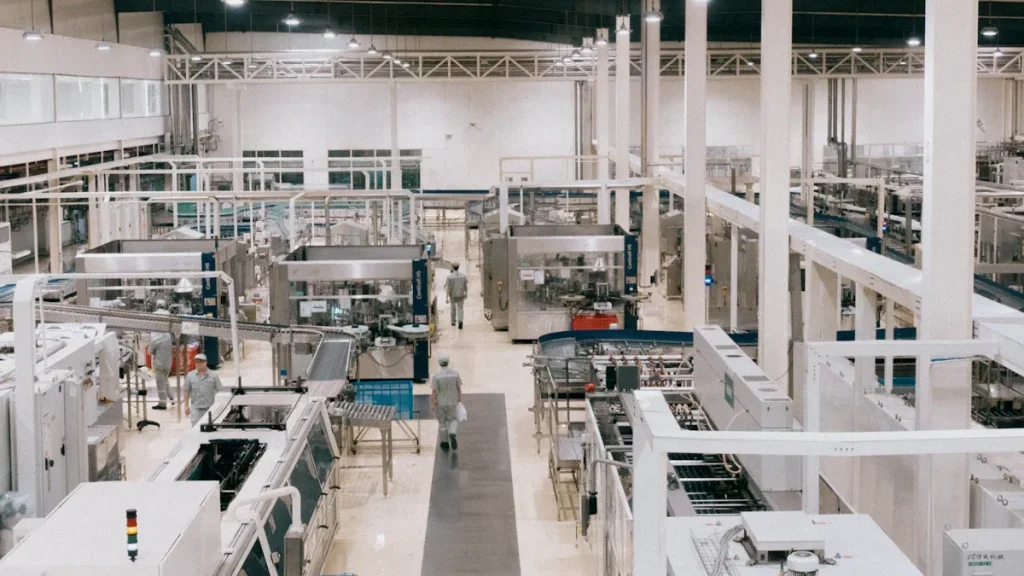
Less spatter and contamination
You want your workspace to stay clean and safe. Laser welding helps you do this. It makes much less spatter than older welding. You see fewer sparks and almost no flying metal pieces. Your parts stay cleaner, so you do not need to clean up as much.
Laser welding also keeps the air in your factory safer. You breathe better because it makes fewer bad fumes. Special fume systems catch most gases right away. This helps protect your health and follows safety rules.
- Laser welding makes fewer bad fumes than old welding.
- The process uses less energy, so there is less pollution.
- You see less waste and fewer toxic gases in your workspace.
- Air gets cleaner, so your factory is safer for everyone.
Laser welding is good for the environment. It uses less energy and makes less carbon. You save money on energy bills and help lower your factory’s carbon footprint.
| Benefit | Description |
|---|---|
| Energy Efficiency | Laser welding uses less energy than traditional welding. |
| Reduced CO2 Emissions | Faster welding means lower carbon emissions and a smaller footprint. |
| Less Waste | You get a cleaner weld seam, so you use fewer extra materials and tools. |
Reduced distortion and post-processing
You want your parts to look nice and fit well. Laser welding is very exact and keeps metal from bending. The heat only goes to a small spot, so the rest stays cool. You see less bending and fewer shape problems.
| Method | Precision | Heat-Affected Zone | Distortion Reduction |
|---|---|---|---|
| Laser Welding | High | Minimal | Significant |
| Traditional Welding | Low | Larger | Moderate |
You do not spend as much time fixing mistakes. Laser welding makes smooth seams. You do not need to grind or polish as much after welding. This saves you time and money.
- Machining time for a car hood drops by 90% with laser welding.
- You can cut costs by 50% or more, based on trade fair results.
- One company cut welding time for a flour duster from 110 minutes to 10 minutes.
Laser welding also uses less energy. TIG welding uses 5-10 kWh per meter, but laser welding only needs 2-4 kWh per meter. You get better energy use, sometimes up to 50%. Some new systems do even better.
Tip: If you pick laser welding, you save money, save time, and help the planet. You also make your workplace safer and cleaner for everyone.
Advantages and benefits of laser welding
High precision and quality welds
You want your welds to be strong and exact. Laser welding gives you very precise welds. You can control the heat and where it goes. This helps you make clean seams. Parts do not bend as much. Laser welding works well for thin metals. It is good for delicate parts. You see fewer mistakes. There is less waste.
Tip: Automated laser welding systems help you make every weld the same. Robots and machines check each joint for quality. You get the same results every time. This is important when you make many products.
Here is how laser welding compares to other welding methods:
| Application | Findings |
|---|---|
| Automotive Body Panel Welding | Welding time is 40% shorter than MIG. There is less bending and less work after welding. |
| Stainless Steel Tubing in Food Processing | Productivity goes up by 30%. Welds are stronger and resist rust better. |
| Aerospace Component Fabrication | Welds are 25% stronger than MIG on thin aluminum. There is less waste and better consistency. |
Laser welding helps many industries. You get better welds. You make products faster. You do not need to fix as many mistakes.
Wide material tolerance and versatility
You can use laser welding on many metals. It works for stainless steel and aluminum. You can join different metals together. The welds stay strong. Laser welding stops brittle spots. The joint stays smooth.
Laser welding is good for high-alloy steels like TP347 and TP904L. The metal keeps its strength. It does not rust easily. You can add filler materials to make the weld better. You can weld metals with different melting points. The process is fast. The heat stays in a small area. You see less mixing and fewer weak spots.
- Laser welding joins many materials, even those with different properties.
- You get strong and clean welds. There is less risk of defects.
- Laser welding is used in energy, aerospace, and food industries.
Lower maintenance and operational costs
Laser welding helps you save money. The machines use less energy. They do not break down as much. You spend less on supplies and workers. Automation lets one person run many machines. There are fewer breakdowns. You do not stop work as often.
| Aspect | Laser Welding Machines | Traditional Welding Machines |
|---|---|---|
| Initial Investment | $4,000 – $50,000 | $1,000 – $10,000 |
| Energy Costs | 20%-50% less electricity use | Uses more electricity |
| Consumables | $1,000 – $3,000 each year | $5,000 – $15,000 each year |
| Maintenance | $2,500 – $6,000 each year | $3,000 – $8,000 each year |
| Labor Costs | Lower because of automation | Higher because one person per machine |
| Speed and Quality | Faster and more precise | Slower and may waste more |
You get long-term benefits from lower maintenance needs. You spend less time fixing machines. You spend more time making products. Your factory works better. You get more money back from your investment.
Note: Many manufacturers get their money back in two years. This is because laser welding is more efficient and makes less waste.
Applications of laser welding in manufacturing
Automotive industry
Laser welding is used in many car factories. It helps make cars lighter and stronger. You can join different metals together. You can also make complex shapes. Laser welding lets you work faster. It helps you save money. The joints are strong and last a long time. They help keep people safe.
| Application/Benefit | Description |
|---|---|
| Joint Design | You can make flexible joints for light materials and shapes. |
| Welding Speed | Faster welding helps you build more cars quickly. |
| Weld Quality | The welds are strong and do not break easily. |
| Labor Costs | Automation means you need fewer workers. |
| Cycle Efficiency | Faster cycles let you build more cars each day. |
| Weld Quality | Fewer mistakes mean lower costs and better supply. |
Car makers use laser welding for battery trays and transmissions. Joints can be 30% stronger than before. You finish work up to 75% faster than old ways. The market for laser welding is growing fast. Car factories are leading this growth.
Electronics and medical devices
Laser welding helps make small parts in electronics. It gives you control and accuracy. You can weld tiny wires and connectors. The wires do not get damaged. Laser welding helps make microelectronic devices and battery packs.
- You can weld thin gold-coated copper wires to pads. This helps control heat better.
- Laser welding joins solid and stranded wires in power electronics.
- You can weld many joints quickly on lead frames. This makes production faster.
In medical device factories, laser welding keeps products clean and safe. Welds are smooth and stop bacteria from sticking. The process does not add dirt or germs. Devices stay safe for patients. You can use automation to meet strict health rules.
Aerospace, shipbuilding, and fine jewelry
Laser welding is used in aerospace factories. You can join tough metals like titanium and aluminum. This helps make lighter planes that use less fuel. The joints are strong and last a long time. They meet strict safety rules.
In shipbuilding, laser welding joins big metal sheets. There are fewer mistakes and better strength. You save time. Jewelry makers use laser welding for tiny joins as small as 0.1 mm. Gemstones are safe and finishes stay shiny. You spend less time finishing and can make new designs.
Tip: Laser welding gives you clean, strong, and exact joins in many industries. You can use it for cars, electronics, and jewelry.
Laser welding lets you finish work faster and keeps your factory clean. Many companies that make cars and electronics use laser welding now. You spend less money because it lowers how much it costs to run machines. Most factories say saving money is a main reason they pick laser welding.
| Metric | Laser Welding Value |
|---|---|
| Joining speeds | Up to 10 meters per minute |
| Heat-affected zone | As small as 0.1mm |
| Cost reduction focus | 65% of manufacturers |
Laser welding works on lots of materials and makes strong, exact welds. If you want to make your process better, experts say you should see if your system can upgrade, connect with smart tools, and match what you need.
FAQ
What materials can you weld with a laser?
You can weld stainless steel, aluminum, titanium, and copper. You can also join different metals together. Laser welding works for both thin and thick pieces. The joints are strong and look clean.
Is laser welding safe for you to use?
Laser welding is safe if you follow the safety rules. You should wear special glasses and use shields. Most machines have features that protect you from laser light and fumes.
How does laser welding help you save money?
Laser welding helps you save money by using less energy. You also use fewer supplies. You do not need to do as much work after welding. Automation lets fewer workers run more machines.
Can you use laser welding for small parts?
Yes, you can weld very small parts like wires and connectors. Laser welding gives you good control. You get clean joins and do not hurt delicate parts.
Do you need special training to use laser welding machines?
You need some training to use laser welding machines. Most companies give short classes. You learn how to set up the machine, check safety, and watch the welds.