
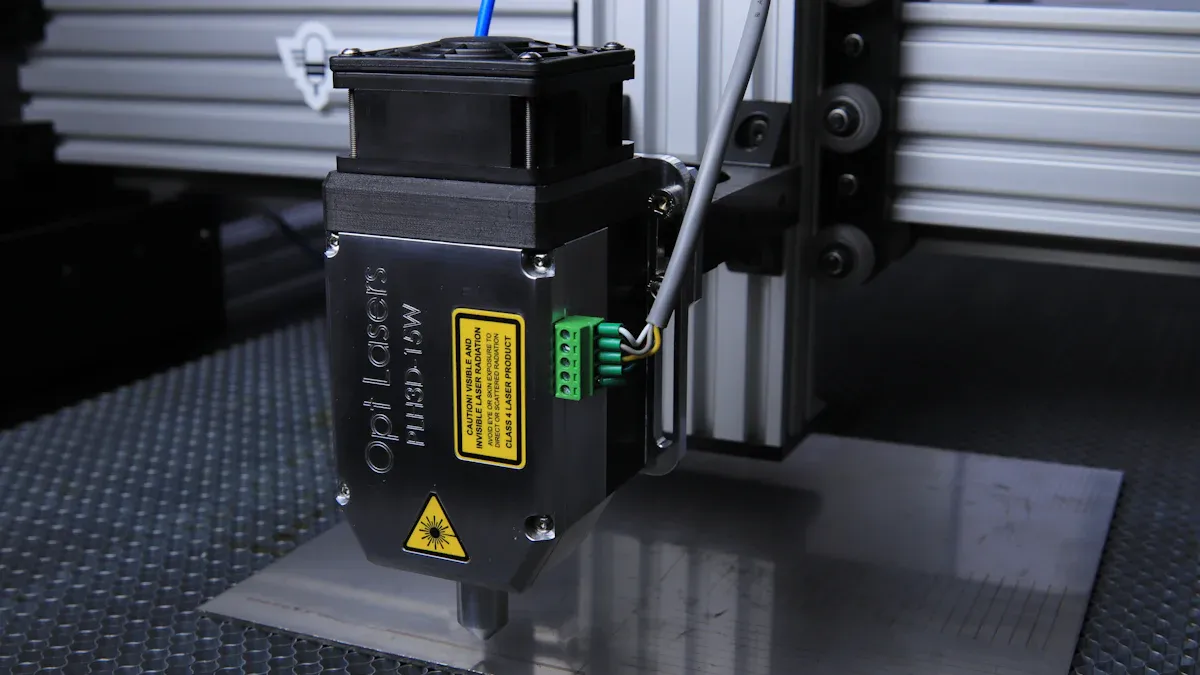
Laser Safety Training teaches employees how to work safely with lasers. Many industries use lasers for cutting, measuring, or medical procedures. Federal rules require employers to protect workers from laser hazards. OSHA and ANSI standards say only trained employees can use laser equipment. Training must cover hazards, controls, safe operation, and emergency steps. The Laser Safety Officer oversees these programs and checks that everyone follows the rules. Without proper training, workers face serious injuries or health risks.
Key Takeaways
- Laser Safety Training is essential for protecting workers from serious injuries caused by laser exposure.
- Training must cover key topics like hazard recognition, safe operation, and emergency procedures to ensure safety.
- Regular refresher training keeps employees updated on safety practices and helps prevent accidents.
- Employers must comply with OSHA and ANSI standards to create a safe working environment for all laser operators.
- A strong safety culture involves teamwork, regular audits, and clear communication about laser hazards.
Key Risks of Workplace Lasers
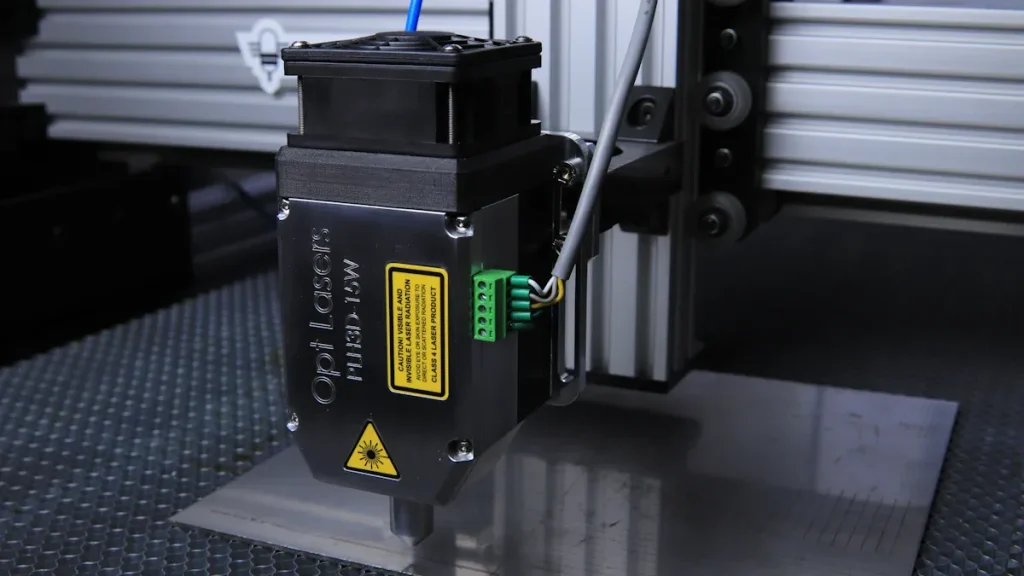
Laser Hazard Types
Lasers in the workplace can create several types of hazards. These hazards can affect both workers and anyone nearby. The main types of laser hazards are shown in the table below:
| Hazard Type | Description |
|---|---|
| Beam Hazards | Direct exposure to the laser beam can cause injuries to the eyes or skin, including burns and blindness. |
| Non-Beam Hazards | Risks from reflections or indirect exposure can also lead to injuries. |
| Mechanisms of Injury | Laser radiation can damage tissue through heat (thermal), chemical reactions (photochemical), or physical force (mechanical). |
Lasers can be dangerous to the eyes and skin. The risk depends on the type of laser, its power, and how long someone is exposed. The eye is especially at risk, even from reflected beams.
Common Injuries and Effects
Workplace lasers most often cause eye and skin injuries. These injuries can happen from direct contact with the laser beam or from accidents with laser equipment. Some common effects include:
- Eye injuries, such as burns to the retina, which can lead to partial or complete blindness.
- Skin injuries, including redness, swelling, blistering, or even charring.
- Thermal injuries, where heat from the laser causes tissue damage.
- Long-term effects, such as permanent eye damage or increased risk of skin problems from repeated exposure.
- Other risks, like electrical shock from high-voltage laser parts or irritation from ozone produced by powerful lasers.
Note: Many reported incidents do not involve the laser beam directly. Accidents can also happen with the machines that use lasers.
Why Training Matters
Laser Safety Training helps workers understand these risks and how to avoid them. Even a brief exposure—less than a second—to a high-powered laser can cause permanent eye damage. Training teaches employees to recognize hazards, use safety equipment, and follow safe procedures. Organizations that follow safety standards, such as ANSI Z136, lower the risk of accidents and injuries. Regular training keeps everyone aware and prepared, making the workplace safer for all.
Essential Laser Safety Training Components

Required Topics and Skills
Laser Safety Training must include important topics to help workers stay safe. OSHA and ANSI require that training programs cover the following:
- Laser classification and hazard recognition
- Beam and non-beam hazards
- Use of protective equipment, such as eyewear
- Engineering and administrative controls
- Standard Operating Procedures (SOPs)
- Emergency procedures and incident reporting
- Documentation and training records
- Refresher training as needed
Workers must also develop key skills to use lasers safely. The table below shows the main skills and what they mean:
| Skill/Competency | Description |
|---|---|
| Hazard Evaluation | Assess risks when using lasers. |
| Control Measures | Use safety rules and wear personal protective equipment (PPE). |
| Training & Communication | Teach others about laser safety and share information about hazards. |
| Compliance Knowledge | Know OSHA and ANSI rules for laser safety. |
| Emergency Procedures | Understand what to do if a laser accident happens. |
Laser Safety Training can be delivered in different ways. Online training gives workers flexibility and lets them learn at their own pace. Classroom sessions allow for hands-on practice and guidance from experienced instructors. Many courses use quizzes, voiceovers, and case studies to help workers remember what they learn.
Safe Operation Procedures
Safe operation is critical, especially when working with Class 3B and Class 4 lasers. These lasers can cause serious injuries if not handled correctly. The following steps help keep everyone safe:
- Place a visible or audible warning at the entryway when the laser is on.
- Train all workers on entry procedures and make sure they have the right PPE before entering.
- Write clear Standard Operating Procedures (SOPs) for using and maintaining lasers.
- Only allow trained and authorized workers to use or fix Class 3B and Class 4 lasers.
- Include safe alignment steps in the SOPs to prevent accidents during setup.
- Use the lowest laser power needed for the job. The Laser Safety Officer may lower power levels if needed.
Proper engineering controls are also important. The table below shows what controls are needed for Class 3B and Class 4 lasers:
| Engineering Controls | Class 3B | Class 4 |
|---|---|---|
| Protective Housing | Required | Required |
| Interlocks on Housing | Required | Required |
| Key Control | Recommended | Required |
| Remote Interlock Connector | Recommended | Required |
| Laser Activation Warning System | Recommended | Required |
Workers must wear the right eye protection when using these lasers. Eyewear should meet ANSI Z87.1-1989 standards and be checked before each use. Replace damaged eyewear right away.
Emergency Response and Reporting
Quick action is important if a laser accident happens. Workers should follow these steps:
- Report any accident right away to supervisors and medical staff. If the eyes are exposed to laser light, see an eye doctor as soon as possible. Call 9-911 in an emergency.
- Write down any laser equipment problems in the logbook. Tell supervisors about the issue, but do not turn off safety features.
Laser Safety Training teaches workers how to respond to emergencies and report incidents. This helps prevent future accidents and keeps everyone safe.
Tip: Regular practice drills can help workers remember what to do in an emergency.
Implementing Laser Safety Training
Step-by-Step Process
A strong laser safety program starts with careful planning and clear steps. OSHA requires a Laser Safety Officer (LSO) for workplaces that use Class 3B or Class 4 lasers. The LSO manages the safety program, checks that all controls are in place, and makes sure everyone receives proper training. The following steps help organizations build and maintain an effective program:
- Develop Standard Operating Procedures (SOPs): Write clear instructions for using each laser system. These should follow OSHA and ANSI rules.
- Make SOPs Accessible: Place SOPs where all workers can read them before using lasers.
- Keep a User Log: Record who uses each laser and when. This helps track usage and spot problems.
- Maintain Equipment Records: Log all maintenance and repairs for each laser device.
- Document Safety Procedures: Write down all safety rules and technical details for each laser.
- Track Emergency Responses: Keep a log of any emergency actions taken. This helps check if SOPs work well.
- Maintain Training Records: Record all Laser Safety Training sessions and who attended.
Tip: Regularly review and update all records to keep the program current and effective.
The LSO also verifies that all safety controls are in place, provides training, and oversees medical checks for workers who use lasers. These steps help create a safer workplace and ensure compliance with regulations.
| Requirement | Description |
|---|---|
| Safety Program | Create a program that matches the skills and experience of employees. |
| Training | Train everyone who operates, maintains, or repairs lasers. |
| Compliance | Follow OSHA, ANSI, and state safety rules. |
Role-Based Customization
Laser safety training should match the needs of each job role. Different workers face different risks and responsibilities. Customizing training helps everyone understand what they need to do to stay safe.
| Role | Training Requirements |
|---|---|
| Laser Operators | Complete formal training, pass a skills test, and renew certification regularly. |
| Support Staff | Take safety training if they enter areas where lasers are used. |
| Laser Safety Officer (LSO) | Enforce safety standards, check for hazards, and lead training sessions. |
| Maintenance Personnel | Learn how to inspect, adjust, and repair laser equipment safely. |
Laser operators need the most detailed training. They must know how to use lasers safely and what to do in an emergency. Support staff may only need basic safety information. Maintenance workers must understand how to fix lasers without causing harm. The LSO must stay up to date on all safety standards and make sure everyone follows the rules.
Note: Customizing training for each role helps prevent accidents and keeps everyone informed.
Evaluating Effectiveness
A good laser safety program checks if training works. Organizations use several ways to measure success. These include tracking incidents, checking if workers finish training, and reviewing safety audits.
| Metric Type | Description |
|---|---|
| Incident Rates | Count of accidents or injuries over time |
| Training Completion Percentages | Percentage of workers who finish training |
| Audit Scores | Results from safety checks and inspections |
| Compliance Rates | How often workers follow safety rules |
| Near-Miss Reporting Frequency | How often workers report close calls |
| Corrective Action Closure Times | Time taken to fix safety problems |
| Leading Indicators | Signs that predict future safety issues, like training rates |
Organizations should review these metrics often. If incident rates go up or audit scores drop, the LSO should update training or safety procedures. Regular checks help keep the workplace safe and ensure that Laser Safety Training meets its goals.
Regular evaluation and updates keep the safety program strong and effective.
Compliance and Regulatory Standards
OSHA 29 CFR 1910/1926
OSHA 29 CFR 1910 and 1926 set the legal rules for laser use in workplaces. These standards protect workers from laser hazards. OSHA requires that only qualified and trained employees operate laser equipment. Operators must always have proof of their qualification. Eye protection is necessary when workers face laser light above 0.005 watts. Work areas with lasers must display warning signs. Lasers must be turned off when not in use or left unattended. OSHA also sets rules for safe alignment, beam direction, and equipment labeling.
| Provision Description | Details |
|---|---|
| Qualified Personnel | Only qualified and trained employees shall operate laser equipment. |
| Proof of Qualification | Operators must have proof of qualification available at all times. |
| Eye Protection | Employees exposed to laser light > 0.005 watts must have antilaser eye protection. |
| Warning Signs | Areas with lasers must display standard laser warning placards. |
| Laser Operation Protocol | Beam shutters or caps must be used when lasers are not in use. |
| Unattended Laser Safety | Lasers must be turned off when unattended for extended periods. |
| Alignment Detection | Only mechanical or electronic means should be used for internal alignment of lasers. |
| Beam Direction | Laser beams must not be directed at employees. |
| Weather Conditions | Laser operations are prohibited in rain, snow, dust, or fog; employees must be kept out of range. |
| Equipment Labeling | Laser equipment must indicate maximum output. |
| Exposure Limits | Specific light intensity limits for direct staring, incidental observing, and diffused light. |
| Setup Height | Lasers should be set up above employees’ heads when possible. |
OSHA rules help prevent injuries and keep workplaces safe.
ANSI Z136 Guidelines
ANSI Z136 guidelines give detailed advice for laser safety. These guidelines are not laws, but many workplaces use them as best practices. ANSI Z136 covers more topics than OSHA. It recommends appointing a Laser Safety Officer and explains how to identify hazards. The guidelines define the Nominal Hazard Zone (NHZ) and describe safety measures for each area.
| Aspect | ANSI Z136 Guidelines | OSHA Standards |
|---|---|---|
| Legal Status | Technical reference manual, not legally binding | Enforced through federal law |
| Compliance | Provides best practices for safety | Enforces legal obligations via General Duty Clause |
| Specificity | Comprehensive framework for laser safety | Lacks specific regulations for laser safety |
| Role of Laser Safety Officer | Recommends appointment and responsibilities | Implied through General Duty Clause |
| Hazard Identification | Defines Nominal Hazard Zone (NHZ) and safety measures | General requirement to maintain a safe workplace |
Many organizations use both OSHA and ANSI Z136 to build strong Laser Safety Training programs.
LSO Responsibilities
The Laser Safety Officer (LSO) plays a key role in workplace safety. The LSO creates and enforces the laser safety program. This person checks for hazards, writes safety protocols, and leads training. The LSO also audits safety controls, reviews incident reports, and keeps all documents up to date. The LSO works with other teams to make sure laser equipment is used safely.
Main duties of the LSO include:
- Establishing and enforcing the laser safety program.
- Performing and documenting hazard evaluations.
- Developing written safety protocols.
- Auditing control measures like interlocks and warning systems.
- Managing Laser Safety Training and refresher sessions.
- Reviewing incident and near-miss reports.
- Maintaining documentation, including SOPs and PPE requirements.
- Working with engineering and operations teams.
The LSO ensures that everyone follows safety rules and that the workplace stays safe for all.
Best Practices for Ongoing Safety
Refresher Training
Refresher training keeps laser safety knowledge current. Workers need regular updates to remember safe practices and learn about new hazards. Training increases safety awareness and helps employees avoid mistakes. Certification ensures organizations meet OSHA and ANSI requirements. Good training records support compliance and protect against liability. Staff assessments and maintenance logs show that everyone stays prepared. A strong safety track record attracts skilled workers and builds trust.
Tip: Schedule refresher sessions at least once a year. Use quizzes and hands-on practice to reinforce learning.
Safety Audits
Safety audits check if laser safety programs work well. Audits help find gaps in procedures and equipment. Regular inspections keep laser systems reliable and safe. Maintenance prevents small issues from becoming big hazards. Structured mitigation strategies maintain equipment and ensure compliance with safety rules. Audits also review emergency plans and documentation.
- Preventive measures eliminate hazards before accidents happen.
- Administrative controls guide safe behavior.
- Engineering controls isolate risks and protect workers.
Note: Audits should include equipment checks, review of training records, and evaluation of emergency response plans.
Building a Safety Culture
A strong safety culture protects everyone in the workplace. Organizations use layered strategies to prevent injuries and promote safe behavior. The table below shows key strategies for building a safety culture around laser use:
| Strategy | Description |
|---|---|
| Establishing a Laser Safety Program | Define roles, conduct audits, and ensure compliance with safety standards. |
| Risk Assessment Procedures | Identify hazards and implement control measures regularly. |
| Safety Audits | Evaluate the effectiveness of the safety program and compliance. |
| Proper Signage and Labeling | Use clear signs and labels to warn about laser hazards. |
Laser Safety Officers lead hazard evaluations and enforce compliance. Operators and technicians follow safety protocols and maintain equipment. Authorized personnel receive special training for their tasks. Spectators stay safe through controlled access.
Proactive safety management lowers injury rates. Emergency planning prepares workers for incidents. Regular maintenance and inspections keep systems safe and reliable. Over time, these practices create a badge of honor for the organization and attract qualified staff.
Building a safety culture takes teamwork and ongoing commitment. Everyone plays a role in keeping the workplace safe.
Laser Safety Training protects workers from serious injuries and supports legal compliance. Employers must provide initial and annual refresher training for all operators. Designated Laser Safety Officers create written procedures and oversee safety programs. Organizations face legal consequences if they fail to meet OSHA and ANSI standards. Immediate action and regular updates help prevent accidents and build a safer workplace.
- OSHA reports nine catastrophic or fatal laser injuries since 1988.
- Liberty Mutual estimates $1 billion spent weekly on serious work injuries.
- Employers are legally obligated to ensure a safe environment.
| Action | Description |
|---|---|
| Initial Training | Required for all operators of Class 3B or 4 lasers. |
| Annual Refresher Training | Mandatory yearly training to reinforce safety protocols. |
| Program Management | Oversight to ensure compliance with federal standards and regulations. |
FAQ
What is a Laser Safety Officer (LSO)?
A Laser Safety Officer manages the laser safety program. The LSO checks for hazards, trains workers, and enforces safety rules. This person keeps records and ensures everyone follows OSHA and ANSI standards.
How often should laser safety training be repeated?
Workers should complete refresher training every year. Annual training helps employees remember safe practices and learn about new hazards.
Who needs laser safety training in the workplace?
Anyone who operates, maintains, or works near lasers must receive training. This includes laser operators, support staff, maintenance workers, and supervisors.
What should I do if a laser accident occurs?
- Report the accident to a supervisor immediately.
- Seek medical help if needed.
- Record the incident in the logbook.
- Do not turn off safety features or hide the problem.