
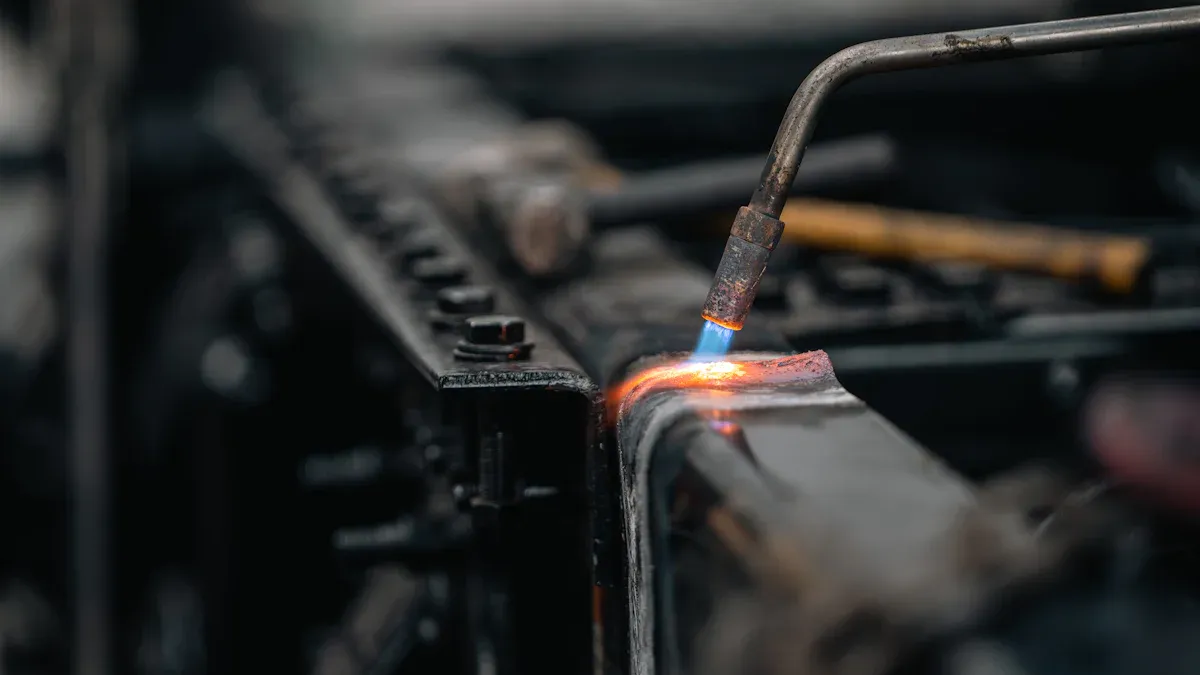
Choosing the best battery welding machine means you match it to your battery type and project needs. Automation and efficiency are important. They help you save money and work faster. You can see how much you save over time in the table below:
| Aspect | Battery-Powered Welders | Traditional Welders |
|---|---|---|
| Initial Cost | 20,000 to 30,000 RMB | Lower initial cost |
| Long Lifespan | Yes | No |
| Maintenance Cost | Low | Higher |
| Energy Savings | 30%-40% less electricity cost | Standard energy cost |
| Long-Term Benefits | More cost-effective | Less favorable |
You should know your battery format and materials. You also need to know how many units you want to make. If you want your project to last, pick welding machines with good precision, speed, and strong joints. This way, you will choose a machine that fits your needs. It will also keep your work safe and efficient.
Key Takeaways
- Find out what kind of battery you have. Check what chemicals are inside the battery. This helps you pick the right welding machine.
- Look at what your battery pack is made of. Check how thick the battery pack is. This helps you get good welding results.
- Think about how many batteries you need to make. Pick a machine that works well with how much you make.
- Look at different ways to weld batteries. Choose the way that works best for your battery project.
- Make sure the welding machine has safety features. Check how easy it is to take care of the machine. Always think about safety when you pick a welding machine.
Assess Project Needs for Battery Welding
Identify Battery Type and Chemistry
First, figure out what kind of battery you have. You also need to know the chemistry inside it. This helps you pick the right welding machine. Some batteries are cylindrical, prismatic, or pouch cells. Each type has its own chemistry and use. Look at the table below to see common battery types and their chemistries:
| Battery Type | Chemistry | Rechargeable? | Typical Use |
|---|---|---|---|
| Alkaline | Zinc-manganese dioxide | No | Remote controls, flashlights, toys |
| Lithium primary | Lithium-manganese dioxide | No | Medical devices, memory backup |
| Nickel-cadmium (NiCd) | Nickel-cadmium | Yes | Power tools, two-way radios |
| Nickel-metal hydride | Nickel-metal hydride | Yes | Consumer electronics, hybrid vehicles |
| Lithium-ion (Li-ion) | Lithium cobalt oxide | Yes | Smartphones, laptops, electric vehicles |
| Lithium iron phosphate | LiFePO₄ | Yes | Power tools, solar storage, EVs |
| Lead-acid | Lead dioxide | Yes | UPS systems, automotive, industrial |
Tip: Lithium batteries can handle heat and shaking better. Lead-acid batteries might leak acid if broken. Always follow safety rules when welding batteries.
Evaluate Materials and Thickness
Check what materials your battery pack uses. Also, look at how thick the parts are. The right welding machine depends on these things. Most machines work with nickel-plated steel, aluminum tabs, copper busbars, and epoxy resin sheets. The table below shows common materials and thickness choices:
| Material Type | Welding Parameters Required | Thickness Range |
|---|---|---|
| Nickel-plated Steel | Specific parameters needed | 0.1-0.5 mm |
| Aluminum Tabs | Different parameters needed | 0.5-3.0 mm |
| Copper Busbars | Increased power density needed | N/A |
| Aluminum Components | Careful oxide management | N/A |
| 3240 Epoxy Resin Sheets | Customizable thicknesses | Customizable |
Pick features that fit your materials and how much you want to make.
Estimate Production Volume and Workflow
Think about how many batteries you need to make. Also, plan how you will do the work. If you make lots of batteries, you need machines that work by themselves. These machines can weld more cells and save money on workers. If you make fewer batteries, you need machines that can change quickly for different designs. Automation helps you work faster and safer. Always think about cost and what the machine can do before you start welding.
Types of Battery Welding Machines
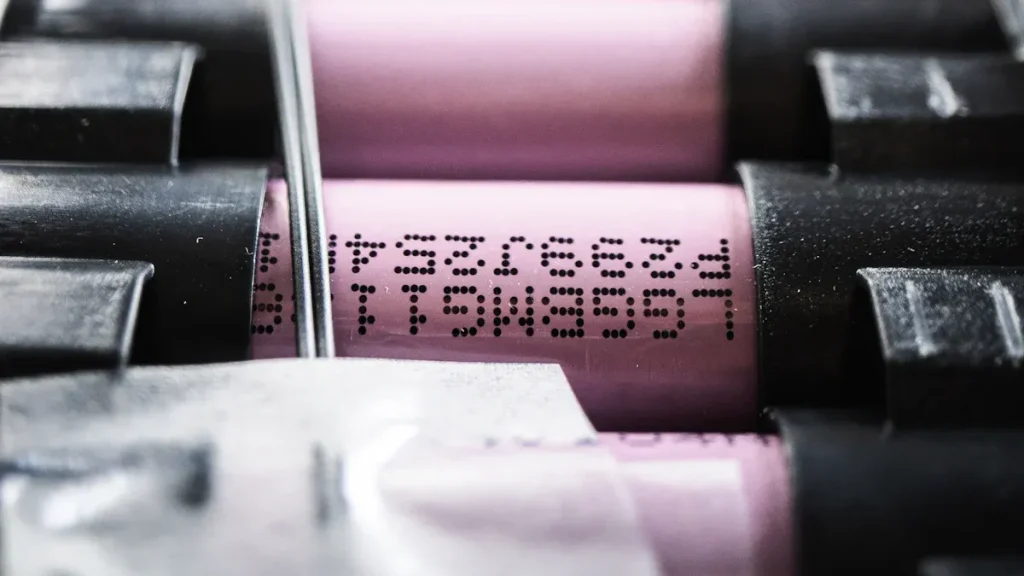
You need to know the main types of battery welding machines. Each type works best for certain battery shapes and jobs. The table below shows the most common welding methods you can use:
| Type of Welding Machine | Description |
|---|---|
| Laser Welding Machines | These are very accurate and fast. They are great for making high-quality battery packs. |
| Ultrasonic Welding Machines | These work well with materials that cannot handle heat. They are used a lot for lithium-ion batteries. |
| Resistance Welding Machines | These are simple and save money. They work best for thick materials and are used for lead-acid batteries. |
| Others | These include special machines like friction and arc welding. They are needed for some unique jobs. |
Spot Welding Machine Overview
Spot welding machines use resistance welding to join metal tabs. You often use them for nickel strips in battery packs. They work quickly and give you the same welds each time. Here are some things to think about:
| Advantages | Disadvantages |
|---|---|
| Speed and Efficiency: Welds are quick. | Skill Requirement: You need training. |
| Precision: Welds are always the same. | Electrode Maintenance: You must keep them clean. |
| Heat Control: Less damage from heat. | Limited Application: Only works for nickel strips. |
| Cost-effective: Saves money. |
Spot welding is best for small or medium jobs. You can use it for hand tool battery packs and other simple tasks.
Laser Welding Machine Overview
Laser welding machines are very accurate and fast. You can weld thick copper or aluminum tabs. This is important for electric vehicle batteries. Laser welding can go faster than 200 inches per minute. The weld spot can be as tiny as 0.1mm. You get strong and clean joints with little heat damage. Laser welding machines take longer to set up. They are good for making lots of batteries. You can use them in automated assembly lines to work better.
Ultrasonic Welding Machine Overview
Ultrasonic welding machines use sound waves to join parts. You see them in lithium-ion battery making. They work very fast, from 0.1 to 1.5 seconds for each weld. This helps when you need to make many batteries. Ultrasonic welding does not melt the parts. It uses shaking to stick them together. This is good for parts that cannot get hot and for thin tabs.
Note: Ultrasonic welding is safe for fragile parts. It helps you keep your battery cells cool.
Best Use Cases for Each Type
- Use spot welding for nickel strips and small battery packs.
- Pick laser welding for thick tabs, electric vehicle batteries, and jobs that need high accuracy.
- Choose ultrasonic welding for lithium-ion batteries, thin tabs, and when you need to work fast.
- For special jobs, like joining busbars or odd shapes, try other welding machines.
When you look at features, think about the shape of the joint, how easy it is to reach, and how fast you need to finish. The right welding machine will help you finish your battery project safely and quickly.
Key Features Comparison for Welding Machines
Welding Method and Compatibility
Pick a welding method that matches your battery parts. Resistance welding works for nickel-plated steel. It does not work for aluminum or copper. Micro TIG welding joins copper to steel. It cannot join aluminum to steel. Laser welding gives you more choices. You can join aluminum and cold-rolled steel. The joints will not break easily. Ultrasonic welding connects copper and aluminum tabs. This is good for lithium-ion batteries. New alloys like SIGMAclad help with resistance and conductivity. They make welding easier. Always check the technical details. Make sure the method fits your project.
Safety, Quality, and Automation
Safety features keep you and your tools safe. Lithium battery welding machines have overcharge protection. They also have battery management systems. These machines do not use fuel. You do not worry about leaks or fires. Generator welding machines need careful use. You must have good airflow. Always follow safety rules like ISO 9001 and IEC. Wear gloves and safety glasses. Use tools that do not conduct electricity. Keep batteries standing up. Modern machines watch the welding process. They use real-time checks and AI to spot problems. Automated systems inspect welds and keep quality high. Some workstations weld up to 15 cells each second. They keep quality at 99.999%.
| Monitoring Technology | Description |
|---|---|
| Real-Time Algorithms | Watches current, voltage, and temperature while welding. |
| AI-Driven Diagnostics | Changes welding settings for steady results. |
| Automated Inspection Systems | Looks at weld resistance and how welds look after welding. |
| Data Logging & Feedback | Saves data and gives tips for quick fixes. |
Integration, Maintenance, and Support
Look for features that make your machine easy to use. Scalability lets you change for different battery shapes. Automation uses robot arms and clamps for fast swaps. Easy programming helps you switch designs quickly. Portability is important if you move your machine. Maintenance cost depends on the machine type. Fiber laser welders need 5%-8% yearly care. They need cleaning and cooling. CO₂ laser welders need more care, up to 15%. Handheld laser welders need less care. Good support gives you help, training, and fast service. Companies like Guangzhou Dragon Welding Co., Ltd offer custom help and quick answers.
Tip: Always compare features, care needs, and support before buying. This saves money and keeps your welds strong.
How to Choose a Battery Powered Welder
Create a Selection Checklist
You should make a checklist before picking a battery powered welder. This helps you find a machine that fits your project and how you work. Start by writing down the most important things. Make sure your battery welding machine matches your battery type, how you work, and what you need it for. Use the table below to help you organize your checklist:
| Factor | Description |
|---|---|
| Battery Type | Pick from Lead-Acid, AGM, Gel, or Lithium-Ion. Each one works best for certain battery pack designs. |
| Cold Cranking Amps (CCA) | See if your welder can start in cold weather. |
| Reserve Capacity (RC) | Make sure your machine can work for a long time before charging. |
| Voltage and Amp-Hour Rating | Match your welder to your battery pack welding machine and how many you make. |
| Durability and Vibration Resistance | Choose a machine that can handle shaking and hot or cold places. AGM and Lithium-Ion are strong choices. |
| Maintenance Requirements | Look for machines that do not need much care. AGM and Lithium-Ion need less work and are good for making batteries. |
Tip: Always check if your battery powered welder works with your battery pack and cells. This helps you avoid problems when welding.
Shortlist and Compare Options
After you finish your checklist, compare different battery powered welders. See how each machine fits your work and welding jobs. Look for features that help you work faster and safer. Use the table below to compare battery powered welders and traditional welders:
| Feature | Battery Powered Welders | Traditional Welders |
|---|---|---|
| Portability | Light and small, good for working far away | Bigger and heavier, not easy to move |
| Ease of Use | Easy to use, not much setup needed | Harder to set up, takes more time to learn |
| Energy Efficiency | Uses less energy, better for the environment | Uses more energy |
| Initial Cost | Usually costs more because of new technology | Often costs less at first |
| Long-term Costs | Costs less to run because it saves energy | Costs more to run over time |
| Durability | Good for small and medium jobs | Made for big, tough jobs |
| Noise Level | Works quietly | Can be loud, especially gas ones |
| Versatility | Can do many welding jobs | Good for many kinds of work |
| Continuous Operation | Runs until the battery runs out | Can keep working without stopping |
| Skill Level Required | Easier for new users | Needs more skill to use |
Pick a portable welder if you need to move it a lot. Battery powered welders are great for quick fixes and small battery pack jobs. They also help you save energy and keep things quiet. If you need to weld many cells or work all day, check if your machine can last long and do different jobs.
Assess Suppliers and ROI
Pick a supplier that meets your needs for battery powered welders. Look for companies with good certificates and service. Follow these steps to check suppliers:
- Look for ISO 9001 and CE certificates. These show the supplier is safe and makes good products.
- Ask for proof that the welder is accurate. The best welders keep welds at or under 0.1mm. Ask for test results.
- Check how many machines they make and how fast they deliver. Good suppliers send orders on time more than 97% of the time and answer questions fast.
- Visit the factory or ask for a check. This lets you see how they keep quality high and make their machines.
You also need to see how much money you will make or save with your welder. Add up the price, care, energy, and other costs for the machine’s life. Compare these costs to the good things you get, like faster welding, lower bills, and fewer repairs. This helps you pick the best machine for your money.
Note: A battery powered welder that does not need much care and saves energy can help you save money over time. Always look at long-term costs, not just the price you pay at first.
Make a Confident Decision
You want to feel sure about your choice. Follow these steps to help you decide:
- Think about what you need to weld. Make sure your welder matches your battery type, materials, and how much you need to make.
- Decide how often and how hard you will use your welder. Pick a welder that can handle your work.
- Set a budget. Choose a machine with the features you need that fits your money plan.
- Plan for the future. Pick a welder that can grow with your work and do new jobs.
- Read reviews and talk to experts. Learn from others and get advice before you buy.
Callout: If you follow these steps, you will pick a battery powered welder that fits your battery pack welding machine and how you work. You will finish jobs faster, stay safe, and save money every time.
You can choose the best battery welding machine by following a few clear steps. First, assess your project needs. Next, learn about different machine types. Then, compare features and create a checklist. Before you buy, think about long-term value. Remember these key points:
- Pick the right welding needle for strong welds.
- Keep the welding process clean and even.
- Use safe practices and check your equipment often.
Use these steps to make a smart choice and improve your battery welding results.
FAQ
What is the best welding machine for lithium-ion batteries?
A laser or ultrasonic welding machine works best for lithium-ion batteries. These machines make strong and neat welds. They also keep your battery cells safe from too much heat.
How do I know if my welding machine is safe to use?
Always look for safety features like overcharge protection and battery management systems. Make sure your machine has ISO or CE certificates. Always wear gloves and safety glasses when you weld.
Can I use one welding machine for different battery types?
Some machines can work with many battery types. Find machines that let you change the settings. Check the manual to see which batteries your machine can weld.
How often should I maintain my battery welding machine?
- Clean your machine after every use.
- Check the electrodes and cables once a week.
- Follow the care schedule from the manufacturer for the best results.