
Price is not the only thing buyers should think about when they evaluate a fiber laser source. Quality matters too. Customization is also important. Supply chain stability is a big deal. After-sales support helps a lot. Buyers need to look at the total cost. They should not focus only on the first price. They must match the supplier’s features to their needs.
Careful research lets companies evaluate a fiber laser source with confidence.
Key Takeaways
- Choose suppliers for their quality, not only their price. Good machines break less and save money in the long run.
- Pick suppliers who help after you buy. Quick tech support and training keep machines working well.
- See if you can change features. Custom options make machines work better for your job.
- Check how long the supplier has been around. A trusted supplier gives good solutions and lowers risks.
- Think about all costs, not just buying. Include energy, repairs, and loss of value to understand the real price.
Why Supplier Selection Matters
Long-Term Value
Picking the right supplier is important for long-term success. If a company chooses a supplier known for quality, they will have fewer problems. Good parts from trusted suppliers help machines work well. This means less downtime and smoother work. Over time, this choice saves money and stops big repair bills.
A supplier with a good history can help companies avoid surprise costs from bad equipment.
Some fiber laser technologies, like nLIGHT’s Corona, have tunable beam quality. This lets people cut many metals without changing lenses. It saves time and keeps things cleaner. Shops and factories can use one tool for many jobs. This helps them work faster and spend less. Picking a supplier with these new features can really help every day.
Reliability and Support
Reliability is not just about the machine. After-sales support and warranty services are also important. Good suppliers help customers fix problems fast and keep machines working well.
- A warranty fixes broken parts and makes the system more reliable.
- Technical help and troubleshooting keep work moving.
- Maintenance and repairs stop long breaks and help machines last longer.
- Training teaches people how to use and care for the machine safely.
- Preventative maintenance helps machines work better and saves money.
Service Level Agreements (SLAs) are important too. They say how fast a supplier must help when there is a problem. A good SLA shows the supplier cares about their product and helps customers when it matters most. Companies should always look at how good the supplier’s support is before choosing.
Evaluate Fiber Laser Quality and Features
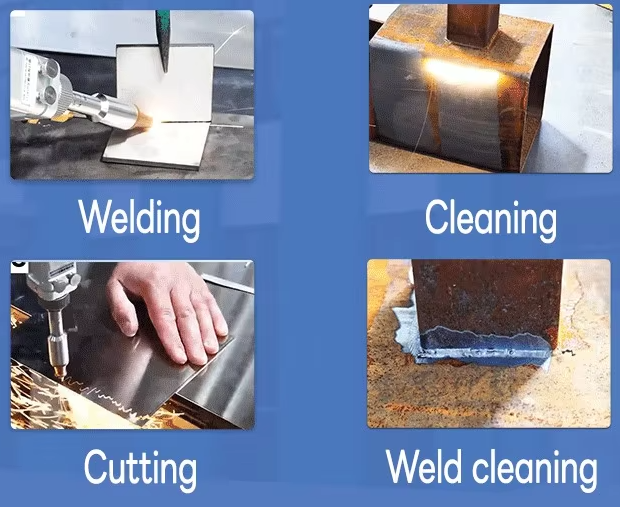
Evaluating Fiber Laser Quality
When companies look at fiber lasers, price is not everything. They should pay attention to quality. Good fiber lasers last longer and work better. To check quality, companies need to look for certifications. Certifications show the machines are safe and work well. The table below lists some common certifications for fiber lasers:
| Certification Type | Description |
|---|---|
| CE LVD | Certification for laser module |
| CE EMC | Certification for laser module |
| FDA | Certification for fiber laser |
| FCC | Certification for fiber laser |
| IC | Certification for fiber laser |
| ROHS | Certification for fiber laser |
| CE-EMC | Certification for fiber laser |
| CE-LVD | Certification for fiber laser |
| CE-EMC | Certification for Solid-State Laser |
| CE-LVD | Certification for Solid-State Laser |
A supplier with these certifications cares about quality. Companies should check for these marks when picking fiber lasers. This step helps avoid problems and makes sure the machine is good.
Product Specifications and Performance
Product details matter a lot for fiber lasers. Companies need to look at specs that affect how the machine works. Here are the most important things to check:
- Cutting capabilities: Make sure the machine can cut the materials and thicknesses you use.
- Power output: Fiber lasers have different power levels, like 500W to 12kW. Pick the right power for your job.
- Accuracy and precision: High accuracy means better products and less waste.
- Software and control systems: Easy software helps workers do hard tasks.
- Service and support: Good support keeps the machine working and stops downtime.
Looking at these points helps companies find the right machine. It also shows which features are worth the money.
Performance depends on three main things. The table below explains these:
| Metric | Description |
|---|---|
| Output Power | Fiber lasers can go over 100 kW. Most models for welding are 10 to 40 kW. |
| Beam Quality (M²) | Lower M² means better beam quality. This is important for cutting and engraving. |
| Wall-Plug Efficiency | Higher efficiency means more power goes to cutting. Less power is wasted as heat. This saves money. |
Good fiber lasers do well in these areas. Companies should use this info to compare machines and suppliers.
Customization Options
Customization helps companies get more from their machines. The best suppliers offer many choices for different industries. The table below shows common options and their benefits:
| Customization Option | Benefit to Industry |
|---|---|
| Power | Makes production faster and better |
| Wavelength | Fits special material needs |
| Beam Stability | Helps cut with more precision |
| System Configuration | Fits unique work needs |
Some suppliers offer high-efficiency fiber lasers. These make cutting faster and better. CNC motion platforms help control designs exactly. Automation, like robots, makes production quicker and reduces mistakes.
Companies should ask about these options when picking a fiber laser. Customization can make machines better and help save money by reducing waste and making more products.
Product Depth and Range
A supplier with many fiber laser products can meet lots of needs. They know different companies use different materials and want to grow. Suppliers with many models can give solutions that fit each job. This means the machine fits whether you cut thin or thick metals.
- Suppliers with many products can help companies grow later.
- They have technical knowledge and good support after you buy.
- Working with these suppliers for a long time brings better results.
When companies look at fiber lasers, they should pick suppliers with lots of choices. This helps them find the best machine now and in the future. It also helps make sure the machine will not become old too soon.
Tip: A supplier with many options can help companies grow and change as their needs change.
By focusing on quality, performance, customization, and product range, companies can pick fiber lasers with confidence. This leads to better machines, more output, and smarter spending.
Assessing Fiber Laser Manufacturers and Supply Chain
Supplier Experience
Supplier experience is very important when picking a fiber laser source. Companies should find fiber laser manufacturers with lots of success. They can look for proof that the supplier works well in tough industries. This shows the supplier is reliable and skilled. A supplier with lots of experience knows many marking methods and materials. This helps them fix different problems.
Buyers should also want custom solutions. Suppliers who make products for special work areas can help machines work their best. Here are some ways to check supplier experience:
- Look at case studies from industries with strict rules.
- Ask about the supplier’s work with different materials and marking methods.
- Get examples of custom solutions for special jobs.
- See if the supplier works with famous brands for a long time.
A supplier with lots of experience can help companies choose well. They can show buyers the best answer for their needs. This lowers risk and helps companies do better.
Supply Chain Stability
Supply chain stability is important for getting fiber laser sources on time. If a fiber laser source breaks, work can stop. This can make repairs hard to finish. High-power fiber laser sources need special care and skilled workers to fix. This can slow things down and cost more money.
Another problem is when laser modules stop being made. If you cannot get new parts, machines might not work anymore. This is a big risk and can cost a lot.
Big world events and local problems can make things worse. Prices can change if raw materials cost more or if there is more competition. Problems between countries and trade rules can break the supply chain. This means longer waits and higher prices. Some places may not make as much money, which can hurt company growth.
To check supply chain stability, companies should:
- Ask if the supplier has backup plans for missing parts.
- Find out if the supplier keeps important parts ready.
- Check if the supplier has service centers or partners close by.
- Look at how the supplier did during past world problems.
A strong supply chain helps companies choose better. It lowers the chance of work stopping and surprise costs.
After-Sales Support
After-sales service is very important when picking a fiber laser supplier. Good after-sales service gives technical help, advice, and training. Knowing what clients need helps suppliers give better support. Suppliers should talk to clients to learn what they really need.
Ongoing technical help can fix special problems. Help with factory layout can make work faster. Safety tips keep workers safe. Training helps workers use fiber laser machines better.
Here are the most important types of after-sales service:
- Technical help for fixing and repairs
- Advice on factory layout and safety
- Training for workers
- Working together on custom solutions
How fast suppliers help and what they cover can be different. The table below shows what buyers can expect:
| Buyer Type | Acceptable SLA | Better SLA | What to Push For |
|---|---|---|---|
| Small fabrication shop | 4-hour response, 48-hour parts dispatch | 2-hour response, domestic spare stock | Annual preventive service + fixed consumable pricing |
| Mid-size job shop | 2-hour response, fault triage in 4 hours, on-site escalation | Stocked critical spares + named engineer | Uptime target with service-credit penalty |
| Multi-shift manufacturer | 30-minute response, 24-hour critical dispatch | Local service partner + quarterly review | Dedicated account engineer + pre-positioned spare kit |
| Distributor/OEM buyer | Custom service matrix by region | Warranty extension tied to PM compliance | Multi-unit fleet analytics and failure trend reporting |
Most suppliers answer in 24-72 hours. They should have parts for 5-7 years. Response times can change by place, but some suppliers keep them the same everywhere. Companies should read warranty papers closely. They need to check how fast help comes for both remote and on-site service.
Local after-sales service is very important. Local help means faster fixes and less waiting. Companies should pick suppliers with good service teams nearby. This helps them choose well and keeps work going smoothly.
Tip: Good after-sales service and technical help can save money and keep machines working longer.
Comparing Reputation and Total Cost
Reputation and Customer Feedback
Reputation tells how well fiber laser companies help customers. Buyers can check this by reading what other customers say. They can ask questions at different times to see how fast suppliers reply. If suppliers give clear answers, it means they explain things well. Video calls let buyers watch how suppliers fix problems. Sample manuals and documents show if the supplier explains steps clearly.
Buyers should ask where the closest service technician is. They should also ask how fast the supplier promises to help. It is good to check if spare parts are kept in the same country. After-sales support is important because waiting for repairs costs money. Suppliers with local parts, trained workers, and remote help give strong support. Advice from other customers helps buyers make smart choices.
Pricing Transparency
Clear prices help buyers avoid surprise costs. Good suppliers tell buyers all costs before they buy. They show what is included and what costs extra. This makes comparing offers easier. Buyers should ask for a full list of prices. They need to look for hidden fees, like extra charges for training or spare parts. Suppliers who share clear price lists and service rules are easier to trust.
Total Cost of Ownership
Total cost of ownership means all the money spent over time. This includes the first price, energy bills, repairs, and how much the machine loses value. Fiber lasers cost more at first but save money later. They use less energy and need fewer repairs. Over five years, buyers pay for power, gas, and cooling. Machines that break often cost more to fix and do not last as long. Some fiber lasers keep their value better than others. Buyers should look at all these costs, not just the first price.
- Using less energy saves money.
- Good support and training lower repair costs.
- High efficiency means the machine costs less to use.
- Depreciation changes how much the machine is worth later.
Supplier Comparison Checklist
A checklist helps buyers compare suppliers easily. This makes it simple to see which one is best. The table below shows important things to check:
| Parameter | Supplier A | Supplier B |
|---|---|---|
| Peak Power Stability | ±3% | ±1.5% |
| MTBF (Hours) | 28,000 | 34,000 |
| Beam Quality (M²) | 1.5–1.8 | 1.1–1.3 |
| Cooling Tolerance | ±0.5°C | ±1.0°C |
| Humidity Resistance | IP54 | IP52 |
| Power Ramp Speed | 15 ms | 8 ms |
| Service Network | 87 countries | 49 countries |
| Cost per kW | $92/kW | $127/kW |
| Warranty | 18 months | 24 months |
A checklist helps buyers focus on service, training, and support. It also helps them avoid mistakes and pick the right supplier. Comparing these points gives a clear view of quality, support, and total cost of ownership.
Tip: Using a checklist and clear facts helps buyers choose the best supplier for their needs.
Picking a fiber laser supplier is more than price. Companies need to look at quality and reputation. Long-term value is important too. The table below shows key things to check:
| Criteria | Description |
|---|---|
| Build Quality and Component Sourcing | Make sure the machine frame and parts are reliable. |
| After-Sales Service and Support | Check how fast the supplier helps and their service network. |
| Customization Capabilities | Look for suppliers who change machines for special needs. |
| Track Record and References | Ask for customer references and certifications. |
| Total Cost of Ownership | Think about all costs, not just the first price. |
Strong support helps companies fix problems fast. Support teams answer questions and repair machines. They also give training and keep spare parts ready. Fast repairs are important. Companies should use a checklist to compare suppliers. They need to focus on support at every step. Next, companies can list their needs and test machines. They should check support during real production. Good support brings better results and less risk.
FAQ
How can a company choose the right fiber laser for its needs?
A company should write down its main jobs. They need to ask the laser cutting machine supplier about power, speed, and accuracy. The fiber laser must fit the materials and thicknesses used. This helps the company get the best value for its money.
Why does the value from a laser cutting machine supplier matter more than just price?
Value is more than just a cheap price. The right fiber laser works better, lasts longer, and breaks less. A laser cutting machine supplier with good support and training adds value. This helps companies save money and have fewer problems over time.
What questions should buyers ask a laser cutting machine supplier?
Buyers should ask which fiber laser fits their jobs. They need to check if the supplier gives training, fast repairs, and spare parts. Buyers should ask how the supplier helps with setup. These questions show the real value of each supplier.
How do fiber laser investment costs affect long-term value?
Fiber laser investment costs can look high at first. The right fiber laser from a trusted laser cutting machine supplier saves money later. It uses less energy and needs fewer repairs. This gives better value over the machine’s life and helps companies grow.
How can a company compare different laser cutting machine suppliers to find the right fiber laser?
A company should make a checklist. They need to compare machine features, support, and value. The right fiber laser comes from a supplier who answers questions and offers help. This process helps the company pick the laser cutting machine supplier that gives the most value.