
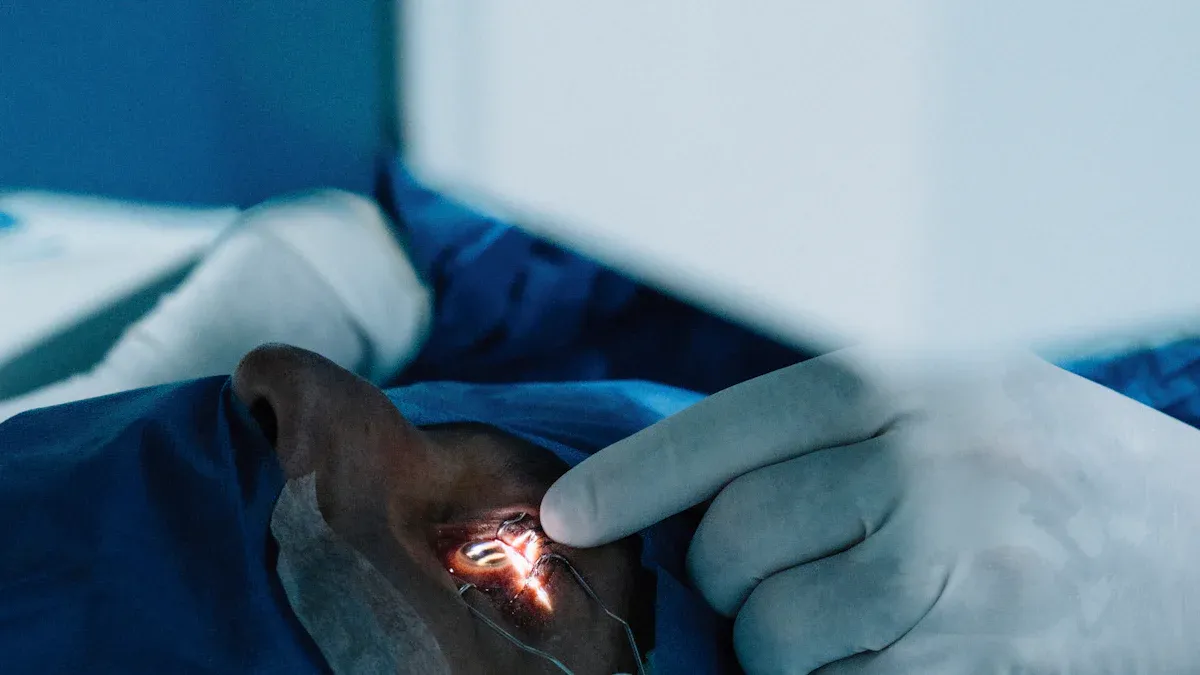
Laser technology provides very precise and careful surgical cutting. It helps surgeons avoid damaging healthy tissue, making surgery safer for patients. Surgeons report that they work faster and experience less bleeding during procedures. Lasers immediately stop bleeding by sealing blood vessels as they cut. Studies indicate that the CO2 laser allows doctors to complete surgeries more quickly, resulting in less blood loss and fewer complications post-surgery compared to traditional methods.
| Method | Average Hemostasis Time (seconds) |
|---|---|
| Erbium laser | 80.9 ± 35.9 |
| Traditional methods | 175 ± 67.5 |
Patients heal more rapidly and undergo safer surgeries. This is why many doctors now prefer laser technology for surgical cutting.
Key Takeaways
- Laser technology helps doctors make very exact cuts. This means healthy tissue is not hurt as much. It also helps people heal faster. Using CO2 lasers can stop bleeding during surgery. The laser seals blood vessels while it cuts. This leads to fewer problems for patients. People feel less pain after laser surgeries. They also spend less time in the hospital than with old methods. Surgeons can do their work faster with lasers. This helps them finish surgeries quickly and helps patients get better results. More doctors are using laser systems now. They are popular because they work well and are safe.
Laser in Surgical Cutting
Precision and Control
Surgeons use advanced tools to make very precise cuts. The CO2 laser is special because it only removes the tissue that needs to go. Traditional tools can hurt nearby areas, but the CO2 laser focuses on one spot. This helps keep healthy tissue safe and helps people heal better.
A table shows how lasers help in surgery:
| Aspect | Laser-Assisted Method | Traditional Method |
|---|---|---|
| Capsulotomy Precision | Openings are more round and centered | Openings are less even |
| Corneal Incisions | Cuts are more exact and steady | Cuts are not always exact |
| Healing Predictability | Healing is easier to predict | More problems can happen |
| Visual Outcomes | Most patients see about the same | Most patients see about the same |
How well lasers cut depends on the tissue and the laser. Surgeons look at things like tissue type and how much water it has. The CO2 laser uses a special light that targets water in soft tissue. This lets it cut carefully and avoids hurting other areas. Selective photothermolysis means the laser energy goes to certain parts, so less damage happens around the cut.
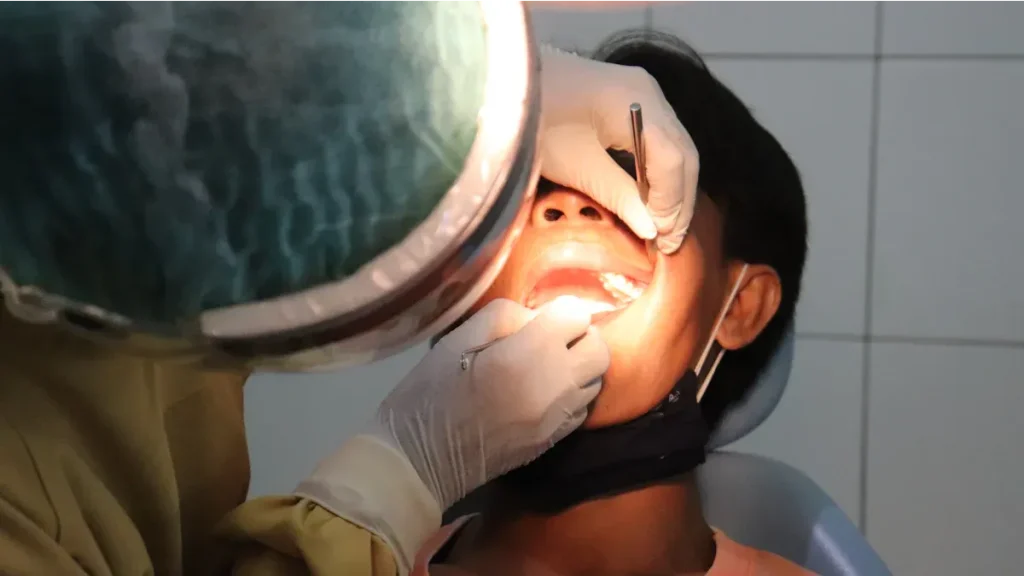
In dental surgery, the CO2 laser stops micro-fractures from rotary tools. It makes a smooth bone surface and lets doctors plan the cut very well. Surgeons can control how deep they cut, which is important for careful work.
- A new laser system for bone surgery checks the cut depth as it works and tells soft from hard tissue.
- The system uses more than one laser, and one uses laser-induced breakdown spectroscopy (LIBS) to map tissue, keeping soft tissue safe.
- This technology helps make more exact cuts than old methods and lowers the chance of hurting nearby tissue.
The CO2 laser gives surgeons better control, more exact cuts, and helps patients do better after surgery.
Reduced Bleeding
A big benefit of the CO2 laser is less bleeding during surgery. The CO2 laser cuts and seals tissue at the same time. When the laser hits soft tissue, it heats up, shrinks collagen, and closes blood vessels. This is called hemostasis and means less bleeding and fewer stitches.
Studies show laser surgery causes less blood loss than old ways. For example:
| Study | Findings | Blood Loss |
|---|---|---|
| Efficacy of CO2 laser applications in tonsillectomy | Blood loss: 41.8 ml (laser) vs. 78.8 ml (cold steel) | N/A |
Another study found laser surgery had about 15.7 ml of bleeding, while regular surgery had about 28.6 ml. This shows laser technology really helps lower bleeding during surgery.
Lasers in dental medicine work well with soft tissues because their light is absorbed by water and hemoglobin. This makes lasers great for cutting, vaporizing, and sealing soft tissue, which helps control bleeding and makes recovery easier.
The CO2 laser can cut and seal at once, which is very important for good surgery results. Surgeons can work faster, with less blood loss and fewer problems. This is why many doctors like to use the CO2 laser for surgeries where stopping bleeding is very important.
Laser-Tissue Interaction
Mechanism of Cutting and Coagulation
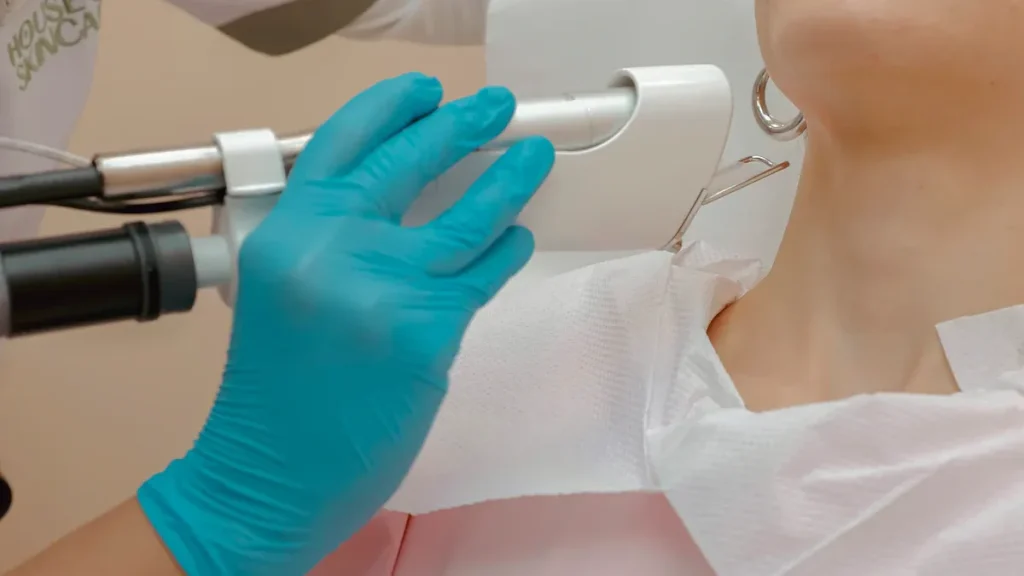
The co2 laser works by sending light energy into tissue. When the laser beam touches tissue, cells soak up the energy. This energy changes into heat. The heat can cut or vaporize the tissue. The co2 laser also seals blood vessels as it cuts. This stops bleeding right away. This is called coagulation.
The main ways the co2 laser works with tissue are:
| Mechanism | Description |
|---|---|
| Absorption | Changes light energy into heat, which can cut or vaporize tissue. |
| Scattering | Bounces light around inside tissue, helping with wider coagulation. |
| Reflection | Happens on the tissue surface and can block energy if the beam is not aimed well. |
| Transmission | Light goes through tissue without much effect if the tissue does not absorb the wavelength. |
| Wavelength | Different wavelengths can target water or blood for cutting or stopping bleeding. |
Many things change how the co2 laser works in surgery. These include how strong the energy is, the wavelength, and what the tissue is made of. How long the laser touches the tissue matters too. The angle of the beam and how wet the tissue is also matter. Surgeons can change these things to get the best results.
Types of Surgical Lasers
Hospitals use different surgical lasers, but the co2 laser is special. It is very exact and can stop bleeding fast. The co2 laser targets water in soft tissue. This makes it good for cutting and sealing at the same time. The co2 laser can remove tissue and close small blood vessels. This means less bleeding and a sealed wound. Patients may not need as many stitches and can heal faster.
Other lasers, like the Erbium laser, also work with water. The Erbium laser cuts with less heat, so it causes less harm and helps people heal quickly. But it does not seal blood vessels as well as the co2 laser. Some bleeding can still happen. The Nd:YAG laser and diode lasers can go deeper into tissue. The Nd:YAG laser is good for stopping bleeding deep inside. Diode lasers are flexible and work well for soft tissue.
| Laser Type | Role in Surgical Cutting | Hemostatic Capabilities |
|---|---|---|
| CO2 Laser | Cuts and stops bleeding at the same time | Seals small blood vessels, lowers bleeding |
| Nd:YAG Laser | Goes deep into tissue | Used to stop bleeding in deep areas |
| Erbium Laser | Makes gentle, exact cuts with less heat | Not as good at sealing blood vessels |
| Diode Laser | Works well for soft tissue | Stops bleeding by sealing blood vessels |
Fiber lasers, including the co2 laser, are now very important in surgery. Fiber lasers can bend and reach hard places. Many surgeons like fiber lasers because they can send energy right where it is needed. The DEKA SmartXide² TRIO co2 laser is one example that helps doctors be more exact and helps patients do better. Fiber lasers, especially the co2 laser, keep making surgery safer and better for everyone.
Surgical Applications
Soft Tissue Surgery
The co2 laser has changed soft tissue surgery. Doctors use it to make careful cuts in delicate tissue. Many patients say they feel less pain after surgery. Dentists use the co2 laser to shape gums with little bleeding or swelling. It also helps treat periodontal disease. The co2 laser removes unhealthy tissue and means less invasive surgery. Doctors often use it for frenum removal. This means fewer stitches and less pain. Smart laser technology can cut and check tissue at the same time. This helps protect healthy areas and keeps both soft and hard tissue safe during surgery.
Note: The co2 laser costs a lot and needs special training. Some doctors still like scalpels because they can feel what they are cutting.
Minimally Invasive Procedures
The co2 laser helps with many less invasive surgeries. It makes small, exact cuts that help people heal faster. Surgeons use it to lower tissue damage and reduce infection risk. The table below shows how the co2 laser makes tools and results better:
| Enhancement Type | Description |
|---|---|
| Biocompatibility | Helps cells stick and heal on medical devices. |
| Antimicrobial | Lowers infection risk when cutting tissue. |
| Corrosion Resistance | Stops tools from breaking down during surgery. |
| Frictional Properties | Makes tools work better and last longer. |
| Micro-textures | Stops tissue from sticking and lowers damage, making surgery safer. |
Hospitals pay a lot at first for the co2 laser. But shorter hospital stays and fewer problems can save money later.
Specialty Uses
Doctors in many areas use the co2 laser for special surgeries. Eye doctors use it in cataract surgery for better cuts and fewer problems. Skin doctors use it to treat skin, remove spider naevi, tattoos, and lesions. In urology, the co2 laser treats kidney stones and other problems with less cutting. Women’s doctors use it for endometrial ablation and fibroid removal, which helps patients recover faster. The table below shows results in different fields:
| Specialty Field | Reported Outcomes |
|---|---|
| Ophthalmology | More exact cataract surgery, fewer problems, better vision. |
| Dermatology | Happier patients, more people want gentle treatments. |
| Urology | Good at removing stones, less invasive surgery. |
| Gynecology | More exact surgery and better results for patients. |
The co2 laser gives doctors more ways to treat patients and helps everyone get better results.
Patient Outcomes
Recovery and Pain
Laser technology helps patients heal faster after surgery. Surgeons notice that people go home sooner. Most patients stay in the hospital for about 2.4 days. Some leave just 1.2 days after their surgery. The plan lets people leave safely on the first or second day. Not many patients need to come back, which means good results.
Patients say they feel less pain after laser surgery. Low-Level Laser Therapy helps lower pain in dental and other surgeries. People do not need as much pain medicine. Many feel comfortable for a longer time after surgery. Some wait longer before asking for pain relief. This shows better pain control and more happy patients. Laser energy does less harm to the wound, so healing is easier. Coagulation at the surgery spot stops bleeding and keeps the wound safe from infection.
- Patients stay in the hospital for less time
- People feel less pain after surgery
- Not as much pain medicine is needed
- People wait longer before needing pain relief
Safety and Complications
Laser surgery is very safe for patients. There are fewer problems than with old surgery methods. For example, femtosecond laser-assisted cataract surgery has a 1.8% complication rate. Traditional surgery has a 5.8% complication rate.
| Procedure Type | Complication Rate (%) |
|---|---|
| FLACS | 1.8 |
| Traditional | 5.8 |
Doctors see only a few problems, even if they are still learning. Most problems are not serious. Some common issues are dry eye, glare, halos, ghosting, and starbursts. Laser technology lets doctors stop bleeding exactly where needed. This helps keep blood loss low and supports hemostasis. Being able to stop bleeding and help healing at the same time makes surgery safer. There is less blood at the wound, so there are fewer risks for patients.
Efficiency for Surgeons
Laser technology helps surgeons work faster and better. Surgeons use new systems to save time and tools. The surgeon utilization rate goes up, so hospitals use their equipment well. Robotic cataract lasers make surgery take less time. This lets more patients get help in a shorter time. More people go from checkups to surgery, so hospitals help more patients. Lasers stop bleeding fast and help blood vessels close quickly. This lets surgeons see better and work without stopping. Laser systems help with both cutting and stopping bleeding, so surgery goes smoothly for everyone.
Laser technology has changed how doctors cut and stop bleeding. Surgeons now get better results with less risk to patients. The table below shows the main benefits:
| Benefit | Description |
|---|---|
| Precision | Surgeons make exact cuts and keep healthy tissue safe. |
| Reduced Energy Use | Using less energy keeps eyes safer and helps healing go faster. |
| Improved Outcomes | Doctors can handle hard cases with more safety and success. |
New lasers, like diode and dual-wavelength systems, seal blood vessels and nerves. These lasers help lower swelling and pain after surgery. Many hospitals in Asia and Europe use lasers because patients heal faster and have fewer problems. More doctors are choosing these tools, so the global market for surgical lasers is growing.
New laser technology, like dual-wavelength methods, may help even more with cutting and stopping bleeding in the future.
Laser systems will keep getting better, making surgery safer and easier for everyone.
FAQ
What makes laser surgery different from traditional cutting?
Laser surgery uses special wavelengths for tissue. This lets surgeons focus on certain tissues. It helps them be more accurate. Healthy areas get less damage. Patients often heal better and feel less pain.
Can lasers perform cutting and hemostasis in one step?
Yes. Surgeons use advanced lasers to cut and stop bleeding together. This saves time during surgery. It also lowers the chance of problems.
How does laser surgery help with minimal trauma?
Laser energy makes very exact cuts. It does not hurt nearby tissue much. This means less swelling and a quicker recovery.
What are the benefits of healing of co2 laser-irradiated wounds?
Doctors see that co2 laser wounds heal faster. Patients say they have less pain and fewer infections. The closed wound keeps out bacteria.
Is laser technology used for tumor excision?
Surgeons use lasers to remove tumors in many fields. The focused beam takes out only the bad tissue. This helps keep healthy tissue safe.