
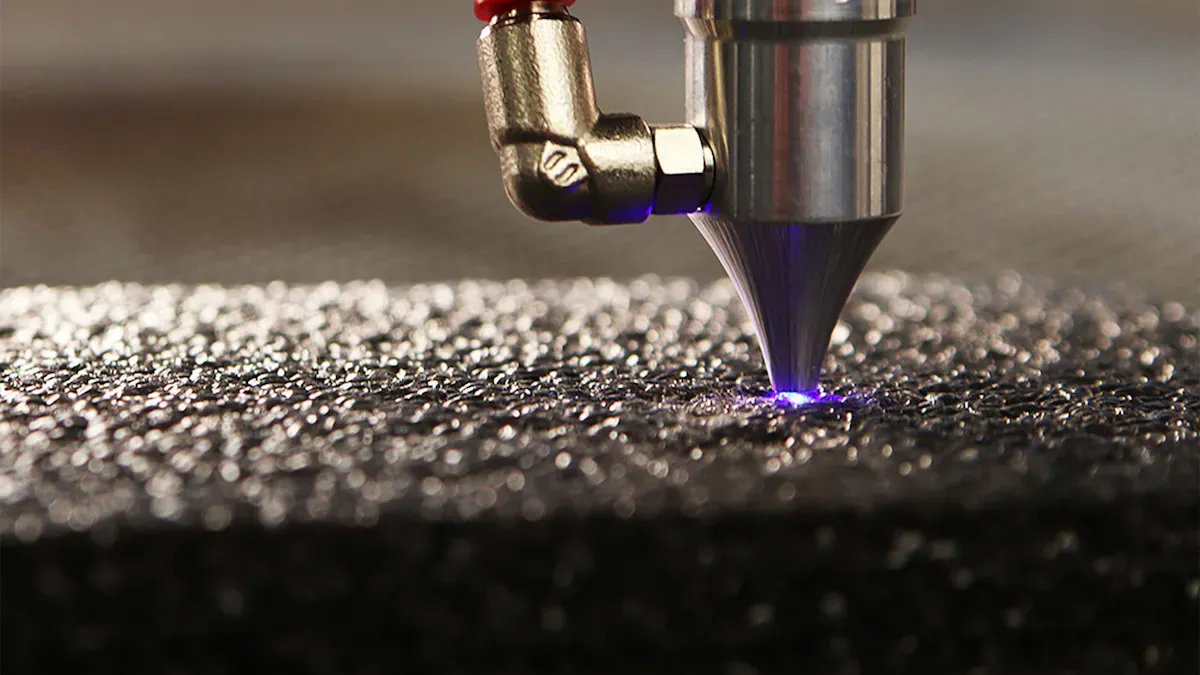
Fiber laser sources help make EV manufacturing more exact. They make welding, cutting, and design easier to control. Many companies now use these lasers for battery tab welding. About 80% of them use fiber lasers. This change lowers the total cost by 30% over five years.
| Statistic Description | Value |
|---|---|
| Percentage of modern battery tab welding using fiber lasers | 80% |
| Reduction in total cost of ownership over 5 years | 30% |
| Reduction in electricity consumption when switching to fiber | Up to 60% |
The study shows different ways to cut Li-ion battery electrodes. Fiber laser sources can cut very fast and make smooth cuts. This is important for making many advanced batteries for electric vehicles.
These new ideas help batteries work better and save energy. They also help make new electric vehicle designs possible.
Key Takeaways
- Fiber laser sources help make EV batteries with more accuracy. This makes the welds stronger and the batteries work better. Using fiber lasers can lower costs by 30% in five years. They also use up to 60% less energy. Laser cutting makes edges smoother and wastes less material. This helps people create new battery shapes. Non-contact welding is safer and more reliable. It helps batteries last longer and work well. More factories are using fiber lasers now. They are popular because they work fast and help with hard battery designs.
Precision With Fiber Laser Sources
High-Accuracy Welding
EV battery factories need strong and exact welds. Fiber laser sources heat only the right spot. This keeps the area around the weld cool. It also stops parts from bending. Strong welds help batteries last longer. They also make batteries work better. Automated laser welding makes building batteries faster. It also keeps welds the same every time. Real-time seam tracking checks each weld as it happens. This makes sure welds meet safety and power rules. Wobble welding technology helps parts fit together better.
| Improvement Type | Measurement |
|---|---|
| Cycle Time Reduction | 30% reduction in battery pack cycle time |
| Defect Rate Reduction | Decreased from 3% to 0.5% |
| Cost Savings | Over $1M in annual production costs saved |
Clean Cutting For Battery Components
Laser cutting shapes battery parts for EVs. It is more exact than plasma cutting. Laser cutting makes a thin, straight cut. The area heated by the laser is small. This keeps edges neat and smooth. Most times, no extra work is needed on the edges. Fiber laser sources can cut with high accuracy. They can be right within ±0.05 mm for every 10 mm thick part. The cut edges are smooth, with roughness between Ra 3.2-6.3μm. The heated area is less than 0.1 mm wide. Advanced laser technology helps make battery parts that fit well and work right.
- Laser cutting makes cleaner edges for battery tabs and electrodes.
- Laser cutting helps use more of the material and makes less waste.
- Laser cutting lets companies make new battery shapes for EVs.
Consistent Quality And Reliability
EV battery factories need processes that work the same every time. Fiber laser sources do not touch the parts when joining them. This removes problems that happen with old ways of bonding. Tight controls keep welds good and steady. Production lines run longer with fewer stops and less fixing. Programming can change quickly for new battery designs. Fast laser cutting and welding save time and money.
| Advantage | Description |
|---|---|
| Non-contact process | Removes problems from old bonding methods and lowers flaws that hurt how batteries work. |
| Highly repeatable | Keeps welds the same by using tight controls and lowers changes in weld quality. |
| Highly productive | Lets machines run longer and need less fixing, so more batteries get made. |
| Easily programmed | Changes quickly for different battery designs, making factories more flexible. |
| Fast | Makes batteries faster than old ways and saves money. |
EV makers use fiber laser sources to keep quality high and help new battery designs. These changes make EVs safer, better, and more dependable.
Fiber Laser Welding In EV Battery Production
Non-Contact Joining Benefits
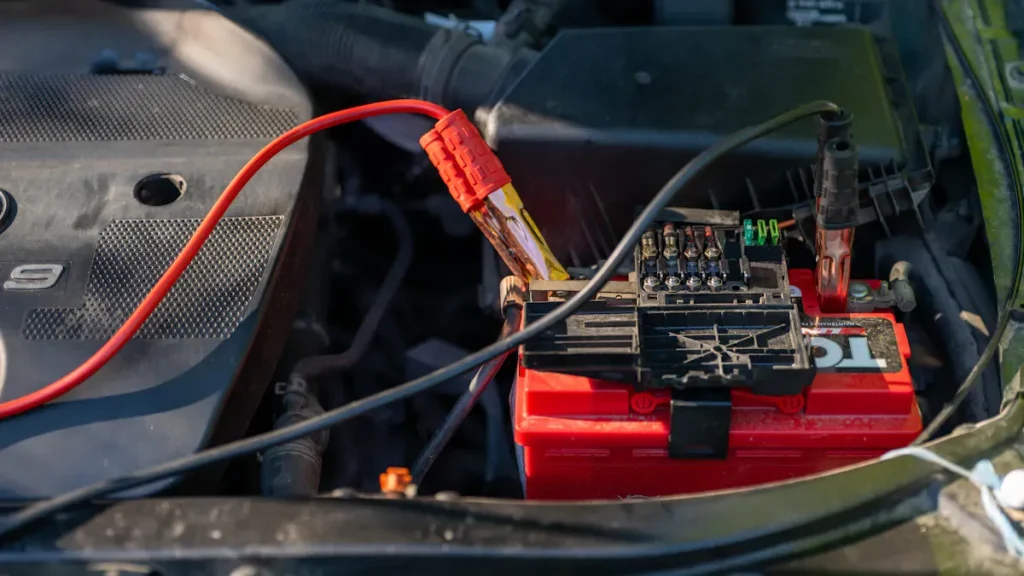
Fiber laser welding is changing how factories build battery packs for EVs. The laser beam joins parts together without touching them. This keeps battery materials safe and strong. Factories use this method to make batteries faster and more reliable. The laser makes a small hot spot, so the battery does not get too hot or damaged. Workers do not need extra things like solder or flux. This means less waste and saves money.
- High precision and a small hot area keep battery parts strong.
- Fast and repeatable welding helps factories make more batteries.
- Better sealing lowers the chance of leaks in pouch cells.
- Non-contact welding makes less waste and stronger connections.
- Fiber lasers use energy well, with over 40% efficiency.
- Automated lines with fiber laser welding can save up to 35% energy.
New laser welding methods help factories work faster and better. These ways make battery production easier and help build new battery designs.
Stronger, More Reliable Connections
EV factories need strong welds to keep battery packs safe and long-lasting. Laser cleaning takes off grease and oil before welding. Clean parts help the laser make good welds. If the weld is dirty, the battery might lose power or not last as long. Laser welding gives factories more control and speed than old ways. Welds stay good, and batteries work better.
- Laser cleaning makes battery connections strong and steady.
- Clean surfaces help welding work better.
- Dirty welds make more resistance and lower battery power.
- Laser welding makes fast and exact welds for better connections.
- Good joints lower resistance and help batteries last longer.
EV factories use new laser welding to make safe and dependable batteries. Tab-to-terminal welds need to be strong to keep batteries safe and working well.
Impact On Battery Life And Safety
How well welds are made in EV batteries affects how long they last and how safe they are. Fiber laser welding uses high energy and careful heat control. This helps batteries stay strong and work well for a long time. Studies show that laser overlap welding makes strong battery connections. Good welds help the battery handle heat and stay safe.
High-power fiber lasers are important for new battery designs. They help make electrodes with more surface area. This helps the battery work better and lets ions move faster. The battery can charge faster and last longer. Femtosecond lasers keep heat low and protect the battery.
| Advantage | Description |
|---|---|
| Enhanced Electrode Performance | Makes more surface area, so reactions work better. |
| Optimised Ion Flow Pathways | Makes patterns that lower resistance and help ions move faster. |
| Faster Charging Times | Lets batteries charge faster without hurting them. |
| Longer Battery Life | Slows down wear, so batteries last longer. |
| Precision Processing | Uses femtosecond lasers for fast, exact work with little heat. |
Fiber laser welding lowers the risk of contamination in EV factories. Laser cleaning takes away dirt before welding. This non-contact way keeps parts safe and makes welds better. Factories use these ways to build batteries that last longer and keep people safe.
Note: Fiber laser welding helps EV factories make batteries that are safer, more reliable, and last longer. New laser welding methods help make new battery designs and improve battery production.
Efficiency And Cost In EV Manufacturing
Faster Production And Lower Costs
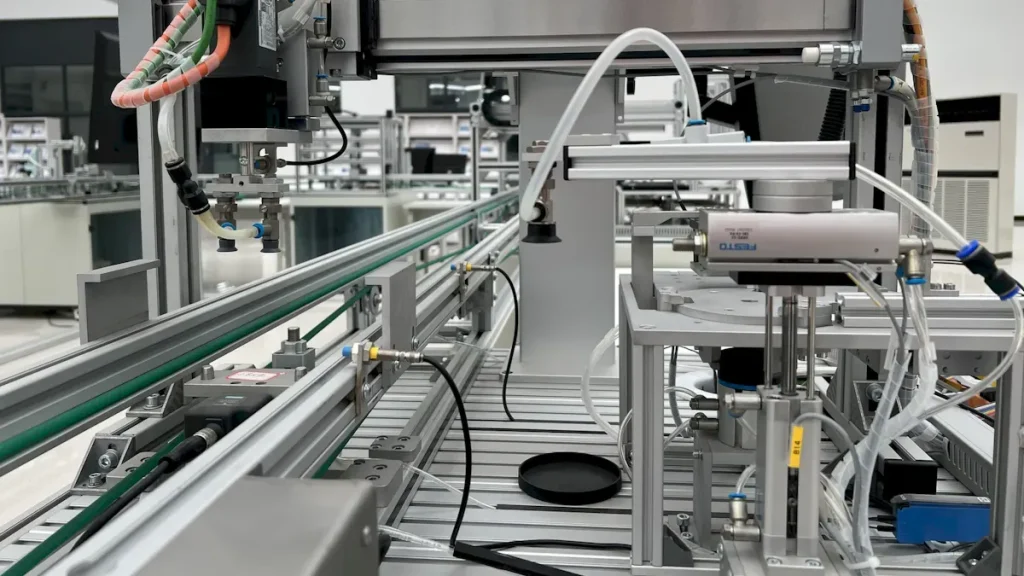
Fiber laser sources help make EVs faster and cheaper to build. Factories use new laser technology and smart controls to speed up work. These lasers do not need much fixing and last a long time. This saves money when making lots of batteries. The laser beam is strong and works well. Factories can use it with many battery materials. This makes the work better and cuts down on waste.
| Evidence Description | Impact on Production Speed and Costs |
|---|---|
| Innovations in fiber lasers and automated process controls | Helps factories make more batteries and spend less money. |
| Superior beam quality and high efficiency of fiber lasers | Lets factories use different battery materials and work better. |
| Maintenance-free operation and longer service life | Saves money because lasers last longer and need less fixing. |
Factories that use fiber lasers use 30% less energy than old machines. These lasers can work for over 100,000 hours. This means they use less power over time. The government gives rewards for green factories. This helps more companies use fiber lasers and cut pollution.
Lightweight Structures For Energy Savings
EVs need light batteries to go farther and use less energy. Fiber laser sources help weld aluminum battery cases very carefully. This keeps the battery strong but not heavy. Cars can drive longer on one charge. Factories use lasers to cut and join light materials like aluminum and carbon fiber. Zero gap welding and 3D cutting save even more energy.
Flexibility For Complex Battery Designs
EV factories must be able to make many battery shapes. Fiber laser sources help build batteries in different styles, like 18650, 21700, and prismatic. Factories use lasers to weld cooling plates very fast, up to 30 meters each minute. Special beam shapes keep welds clean and stop cracks or splatter. Lasers can switch shapes quickly for different welds.
| Technique | Description | Benefits |
|---|---|---|
| Dynamic Beam Laser | Welds cooling plates very fast at 30 m/min. | Makes welding quicker and better. |
| Tailored Beam Shapes | Keeps welds clean and stops cracks or splatter. | Lets factories change weld shapes fast for different jobs. |
- Modular designs let factories make many battery types.
- Lasers can do spot, seam, or spiral welds.
- Big tables and special holders fit different battery packs.
Lasers make sure all battery parts are joined very well. Smart sensors check the work, especially when adding cooling systems. These new laser ways help factories make better batteries faster.
Industry Adoption And Applications
Integration In EV Manufacturing Lines
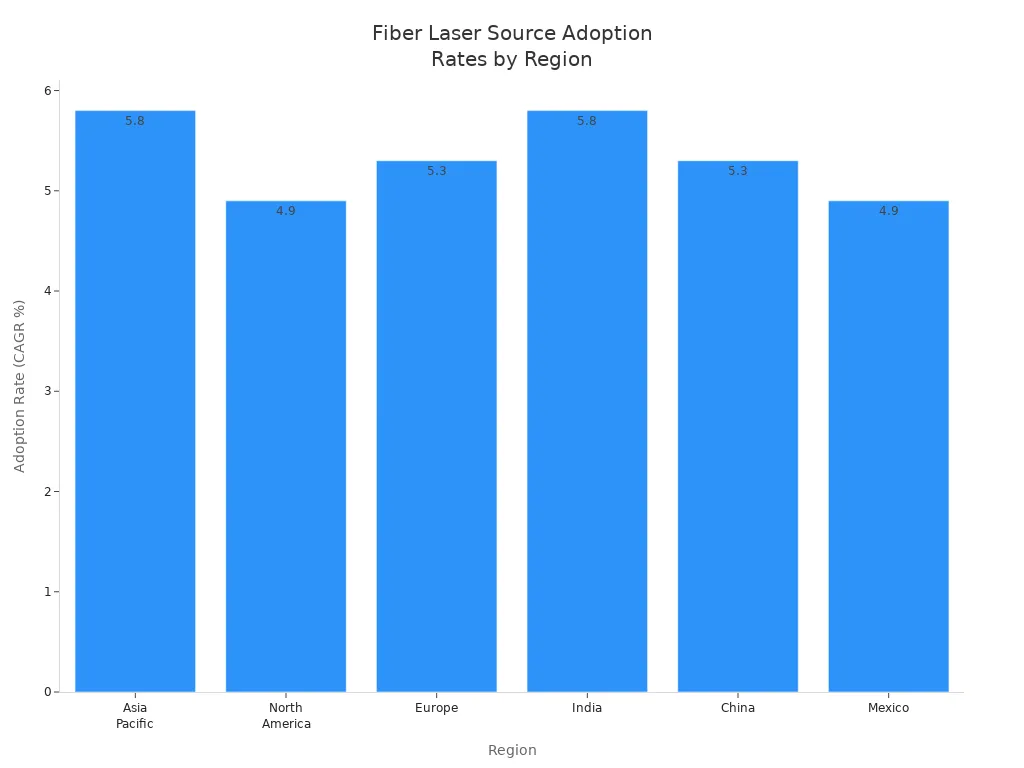
Factories use fiber laser sources to make EVs better. These lasers help with cutting, marking, and welding. Robots and machines work together to join battery parts. Special systems check each weld to make sure it is good. Two robots can do thousands of welds on one battery module. Factories use lasers to work on different battery types by changing settings automatically. The government gives rewards to factories that use new laser systems. These rules help electric car factories grow faster.
| Region | Adoption Rate (CAGR) | Key Drivers |
|---|---|---|
| Asia Pacific | 5.8% | Government incentives, advancements in manufacturing technology, electric vehicle manufacturing. |
| North America | 4.9% | Manufacturing reshoring, automation retrofits, strong automotive sector demands. |
| Europe | 5.3% | Premium automotive production, compliance with Industry 4.0 standards. |
| India | 5.8% | PLI schemes for electric vehicles, growth in battery pack localization. |
| China | 5.3% | Extensive battery production, integration with automated production lines. |
| Mexico | 4.9% | Supply chain near-shoring, integration with North American OEM production networks. |
Real-World Examples And Case Studies
Top EV makers use fiber laser sources for building cars. They use fast laser welding to make many EVs. One factory uses wobble welding with a 2 kW fiber laser. This joins thin copper foils to nickel-plated tabs at 500 mm per second. The time to finish drops from 110 seconds to 38 seconds. Each battery module has 1,200 welds, and each weld carries over 200A. Special sensors watch the welds for problems. Two FANUC M-20iD/25 robots do the welding. The welds are 2.1 times stronger than needed. Over three million welds had no cold welds.
| Application Area | Details |
|---|---|
| Welding Method | Wobble welding with a 2 kW fiber laser |
| Material | 0.3 mm copper foils joined to nickel-plated tabs |
| Speed | 500 mm/s |
| Cycle Time | 38 seconds (compared to 110 seconds with resistance welding) |
| Weld Pull Strength | 2.1 times the specification minimum |
| Defective Welds | Zero cold welds detected in over 3 million joints |
| Monitoring System | Real-time photodiode monitoring to detect anomalies |
| Robot Configuration | Dual-robot cell with two FANUC M-20iD/25 robots |
| Total Welds per Module | 1,200 welds per module, with each joint carrying 200A+ |
| Variants Processed | 3 different module variants with automatic recipe changeover |
Factories have problems when joining battery parts. Some materials and coatings need special laser work. Materials that carry electricity well need less spatter to stop short circuits. Strong welds keep battery cases safe from damage.
Future Trends In Battery Production
Making batteries for electric cars keeps changing with new laser uses. Factories use more robots and AI to control work and fix problems before they happen. Fiber laser sources help make batteries faster and more exact. Companies like using bigger laser systems to make more batteries. Experts think fiber lasers will be used the most, making up 38% of sales by 2026. These lasers work well with thin foils and many battery materials. Their solid design means they break less and last longer. The fiber laser market will grow from $4.63 billion in 2025 to $13.08 billion by 2034. The Soft Pack Battery Laser Welding Machine market will reach $1.5 billion by 2033. Factories use fiber lasers to make battery cases and cut parts exactly. These changes help make electric car factories better and greener.
- More robots and smart systems to control work.
- More factories choose fiber lasers because they work well.
- Bigger laser systems help make more EVs.
- Fiber lasers help cut thin battery foils very exactly.
- Using less energy helps the planet.
- Fiber lasers work with many battery materials.
The future of electric cars depends on new laser uses. Fiber laser sources help factories make better batteries and help more people drive electric cars.
Fiber laser sources are changing how EV batteries are made. They help factories make new battery shapes and weld parts better. Production lines move faster and use less power. Many companies pick fiber lasers because they cut and join light materials well. As more people want better batteries, fiber lasers help make new designs. Factories work better and waste less. The future of EVs depends on these new ways to build batteries.
FAQ
What makes fiber laser sources important for ev battery manufacturing?
Fiber laser sources help factories make ev batteries very exactly. They make strong welds and smooth cuts. These lasers help batteries work better and let new ev designs happen.
How do fiber lasers improve safety in ev battery production?
Fiber lasers join parts without touching them. This lowers the chance of dirt getting in. Strong welds help keep ev batteries safe when used or charged.
Can fiber laser sources help lower ev manufacturing costs?
Yes. Fiber laser sources work quickly and do not break often. Factories can make more ev batteries in less time. Using less energy also helps save money.
Are fiber laser sources flexible for different ev battery designs?
Fiber laser sources can work with many battery shapes and sizes. Factories use them to build all kinds of ev batteries. This helps companies keep up with what people want.
What future trends involve fiber lasers in ev battery manufacturing?
Factories want to use more robots and smart tools with fiber lasers. These changes will help make ev batteries faster and even better.