


Ai-powered process monitoring is changing fiber laser applications every day. Ai helps these systems work faster and more accurately. This technology also brings automation and helps fix problems before they happen. Many people in the industry see big changes in how much work gets done and how good the products are. The table below shows how ai affects manufacturing:
| Statistic | Impact |
|---|---|
| AI-integration in fiber lasers | Predicted to increase productivity by 20% by 2025 |
Manufacturers who use ai-powered process monitoring get many benefits. Ai-powered solutions help them keep up in a fast-changing industry. The effect of ai gets bigger as more companies use these tools. Every leader in manufacturing should think about how ai can make their fiber laser processes better.
Key Takeaways
- AI-powered process monitoring makes fiber laser work better. It can help factories make more things by 2025. This can increase how much they make by up to 20%.
- Real-time monitoring finds problems early. This means less waste and better products.
- Using AI for automation lowers labor costs. It also helps factories work faster and more efficiently.
- Adding AI to fiber laser systems does not cost a lot. It makes the machines more reliable without big changes.
- Companies that use AI now will be leaders in smart manufacturing. They will stay ahead of other companies.
Traditional Fiber Laser Process Challenges
Manual Monitoring Limitations
Many companies use fiber lasers to cut and shape materials. Workers have to watch the machines by hand. This can cause problems. They must pay close attention and make fast choices. If they do not see a problem, the fiber laser might not cut right.
Training is very important for workers. Some workers do not get enough training. This can lead to mistakes and slow work. Here are some common problems with manual monitoring in fiber laser work:
- Training is very important for good fiber laser cutting.
- Not knowing enough can cause bad cuts and wasted time.
- Problems from not enough training can hurt how well things run.
Factories need things done fast and right. Watching machines by hand does not always work well. Workers might miss small changes in how the fiber laser works. These small problems can waste materials and cost more money. Factory leaders know that watching by hand does not let fiber lasers do their best.
Common Issues in Fiber Laser Operations
Fiber laser machines have many problems in factories. These problems can slow down work and make things worse. The table below shows some of the most common problems with fiber lasers:
| Issue Type | Description |
|---|---|
| Piercing Delays | Delays and failures in piercing can lead to inefficiencies and increased downtime. |
| Unstable Startups | Issues with starting the machine smoothly can affect overall performance and quality. |
| Machine-Related Issues | Problems with beam transmission and mechanical wear can impact reliability and efficiency. |
| Inefficient Workflows | Poorly organized workflows can cause delays and increased costs, reducing overall productivity. |
| Operator-Related Challenges | Lack of training and inefficient workflows can hinder performance and lead to wasted resources. |
People who use fiber lasers often see these problems. It is hard to watch every step in a busy factory. Fiber laser machines need to be watched all the time to stop mistakes. Without better ways to watch, small problems can become big ones. Companies want new ways to check fiber laser work and get better results.
How AI-Powered Process Monitoring Works
AI Sensors and Algorithms
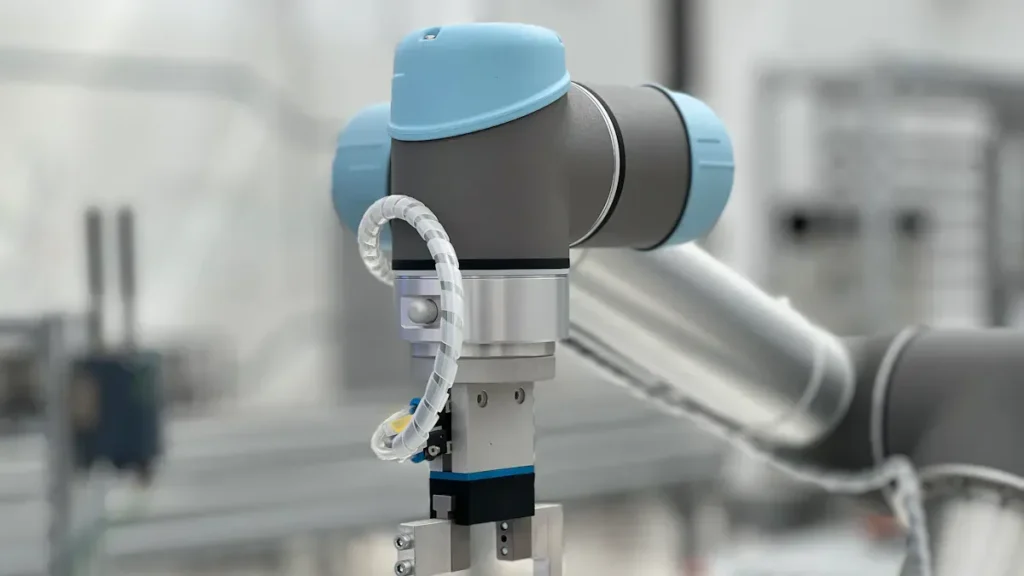
AI-powered process monitoring uses special sensors and smart computer programs. These sensors watch fiber laser machines all the time. They collect data every second. Cameras and edge sensors check the laser beam, temperature, and light from the material. The sensors send this data to computers with AI.
AI looks at the data right away. It finds small problems that people might not see. This helps factories fix things before they get worse. The system works fast, so the laser does not stop for long.
Here is how AI helps with real-time monitoring and finding problems:
- Sensors and cameras get data almost right away.
- Edge computing lets the system process data quickly.
- Protocols like OPC UA and MQTT move data fast for real-time checks.
- The system cleans and labels the data for AI training.
- Feature extraction changes raw signals into numbers for the AI.
- Algorithms like support vector machines, isolation forests, CNNs, and RNNs find small issues in the laser process.
- The AI keeps learning and updates its models to catch more mistakes.
AI lets factories watch the laser process closely and react quickly. This means better quality and less waste in fiber laser work.
Integration with Laser Systems
AI-powered monitoring systems fit into fiber laser machines easily. The design does not need big extra parts. This makes setup simple and fast. Workers do not have to move mirrors or focus sensors. The system connects with standard Ethernet cables for real-time data sharing.
The table below shows the main steps for adding AI to fiber laser systems:
| Key Step | Description |
|---|---|
| Integrated Design | No need for large outside optics, so it is easy to add. |
| Simplified Setup | No need to move mirrors or focus sensors. |
| Real-time Monitoring | Uses Ethernet to collect data fast for analysis. |
| Comprehensive Data Acquisition | Measures back-reflected laser light, temperature, and visible radiation. |
| Enhanced Reliability | Fewer parts and connections make the system stronger. |
| Cost-Effectiveness | Lowers costs for parts, assembly, and maintenance. |
| Plug-and-Play Compatibility | Works with current process optics and meets industry standards. |
| High-Power Capability | Handles laser powers up to 20 kW in the 1030-1090 nm range. |
AI-powered systems help factories get more from their fiber laser machines. They make the process stronger and save money. Plug-and-play means companies can use AI without changing everything. This makes it easy for many industries to use AI and improve their laser work.
Tip: Companies using AI-powered process monitoring have fewer machine problems and better product quality. They also save time and money by finding issues early.
AI changes how factories use fiber laser technology. It brings smarter, faster, and more accurate ways to watch and control the laser process.
Benefits of AI in Fiber Laser Applications
Enhanced Precision and Speed
AI helps fiber laser machines work faster and more accurately. Sensors and computer vision watch every part of the cutting and welding process. The system checks the laser beam, the material, and the cutting path right away. AI looks at this information and changes the laser quickly. This means better quality and less waste.
- Marking is faster than using mechanical engraving.
- There is less rework, so each part costs less.
- Every job is more consistent and faster.
- AI makes sure each connection is very good.
- Workflows are smoother, so jobs start and finish faster.
- AI-powered lasers pick the best cutting paths to save material and make better products.
- Watching in real time helps find and fix problems right away, so machines stop less.
AI-powered laser technology helps factories make better parts. The system finds small problems before they get big. This means workers spend less time fixing mistakes. They spend more time making good parts. Laser cutting is faster and works better. Companies see better results in speed and quality.
Predictive Maintenance and Fault Detection
AI changes how factories take care of their fiber laser machines. The technology uses predictive maintenance to keep machines working well. AI watches sensor data and guesses when a part might break. This helps workers fix things before the machine stops.
- AI checks for problems, predicts issues, and watches fiber laser systems in real time.
- The system guesses what sensors will show next and rebuilds data from fiber optic sensors.
- Fiber optic sensors help find problems early and guess how long parts will last, so workers can fix things before they break.
- AI models guess when the system might fail, so workers can fix it on time.
- The system always checks temperature, vibration, power, and the laser beam to find problems early.
- When the system finds a problem, it tells workers to fix it, so machines do not stop for long.
| Evidence Summary | Contribution to Error Reduction |
|---|---|
| Monitoring system gathers information from the process | Improves understanding of detecting phenomena and minimizes destructive sample inspections, leading to better quality control and reduced error rates. |
- The AI camera finds welding mistakes fast and makes sure the work is good enough for airplanes.
- Shops say they get 25% more return on investment because there are fewer mistakes and less rework.
- Mistakes go down by about 30% when the system is set up right.
Factories that use AI for maintenance and finding problems have fewer breakdowns. They do not have long stops and keep making products. This technology helps workers fix things before they break. Laser cutting and welding are safer and work better.
Automation and Efficiency Gains
AI makes fiber laser machines work by themselves. Automated systems do cutting, welding, and checking quality with little help from people. This means factories work faster and cost less. AI-powered automation makes production lines smarter.
| Aspect | Description |
|---|---|
| Precision | Fiber lasers perform with greater accuracy compared to conventional lasers. |
| Speed | They enable faster manufacturing processes. |
| Cost Reduction | Manufacturing costs are reduced for companies like BYD and Tesla. |
| Adoption Drivers | Zero emission regulations and low power consumption fuel market growth. |
- AI-powered data centers help factories make things more precisely and quickly.
- The need for high-precision work makes the laser automation market grow.
- Laser automation makes production up to 40% faster than old ways.
| Evidence Type | Details |
|---|---|
| Labor Reduction | Operator headcount can be reduced by 50-70% with automated systems compared to manual operations. |
| Cost Savings | Labor costs can decrease by 40-60% through automation, leading to significant financial benefits. |
| Maintenance Cost Reduction | Automated systems can result in 30-40% lower maintenance costs due to consistent operational parameters. |
| ROI | Positive ROI typically achieved within 18-24 months of implementation, depending on production volume and complexity. |
AI and automation help companies save money and time. Fewer workers are needed for laser jobs. Maintenance costs go down because the system keeps things running well. Companies get their money back in less than two years. AI-powered laser technology helps many industries, like cars and electronics.
Tip: Using AI for automation makes factories work better, improves product quality, and lowers labor costs. Companies that use this technology stay ahead of others.
AI-powered process monitoring gives fiber laser machines many benefits. It makes quality, speed, and efficiency better. Automation and laser technology work together to make factories smarter. This technology helps companies solve new problems and make better products.
AI Applications Across Industries
Automotive and Aerospace
Automotive and aerospace companies use ai to make parts better. They use laser machines for cutting, welding, and marking jobs. These industries need materials that are strong but also light. Laser technology helps them reach these goals. Ai-powered process monitoring checks each step as it happens. It finds problems early and helps workers fix them fast. Laser systems with ai make sure every part is safe. Factories use fiber connection operations to join metal pieces together. Fiber connection operations help make cars and planes safer for everyone. Fiber connection operations also help save money and reduce waste. Laser machines with ai can work longer without stopping. Fiber connection operations keep the production line moving all day. Fiber connection operations help companies finish orders on time.
Electronics and Medical Devices
Electronics and medical device makers need very precise work. They use laser machines to cut tiny parts and make small holes. Ai helps these machines do a better job. Ai-powered process monitoring gives real-time data to workers. It checks the laser and the material every second. This leads to better quality and less waste. Ai-powered laser machines change settings quickly when needed. They adjust to new materials and keep quality high. Fiber connection operations are important for making circuit boards and medical tools. Fiber connection operations make sure each device works well. Fiber connection operations also help lower costs for companies. Fiber connection operations let factories change production fast. Fiber connection operations help companies follow strict health rules.
- Ai technologies make manufacturing more precise, efficient, and flexible.
- Real-time data and predictive maintenance improve product quality and reduce waste.
- Ai-powered laser machines change settings as needed, so products stay good even if materials change.
Fiber Network Operations
Fiber connection operations are key for fiber optic networks. Companies use laser machines to join and fix fiber cables. Ai-powered process monitoring helps workers find problems quickly. It checks the laser and fiber connection operations in real time. Ai can guess when a fiber might break soon. Fiber connection operations are more reliable with ai. Fiber connection operations help keep the internet and phones working. Fiber connection operations also mean less downtime for networks. Fiber connection operations let companies fix problems before they get worse. Fiber connection operations help repairs happen fast and safely. Fiber connection operations help fiber optic networks grow bigger.
- Ai lets network operators fix problems before they get worse.
- Real-time fault detection finds issues fast and keeps downtime low.
- Predictive analytics help spot fiber problems early, so repairs happen on time.
Note: Fiber connection operations with ai and laser technology help many industries work better and faster.
AI-Laser Integration: Challenges and Future Trends
Implementation Barriers
Many factories want to use ai-laser integration, but they have problems. Old systems use non-ML solutions that people trust. This makes it tough for companies to change to new ai-powered laser systems. Upgrading costs a lot of money. Factories must buy new hardware, software, and data tools. Training workers is also hard. Many workers do not know how to use machine learning or set up computer vision for laser machines.
| Barrier Type | Description |
|---|---|
| Legacy issues | Old non-ML solutions are common and trusted. |
| Cost restraints | Upgrades and skilled workers cost a lot. |
| Expert workforce limitations | Few workers know both machine learning and optical networking. |
Factories must pay for hardware, software, and better data systems. Workers need to learn data analysis and machine learning. They also need to know how to fix digital problems in ai-laser integration.
| Cost Components | Training Requirements |
|---|---|
| Hardware upgrades for existing equipment | Basic data analysis capabilities |
| Software licensing or development | Knowledge of machine learning concepts |
| Data infrastructure improvements | Digital troubleshooting for CNC systems |
| Staff training and development | Computer vision system calibration |
Evolving Machine Learning Capabilities
Machine learning keeps getting better in ai-laser integration. New algorithms help ai-powered laser systems watch the process in real time. Deep learning finds small problems in fiber sensors. Neural networks spot changes in the laser process and fix them fast. These tools help factories get better results and less waste.
- Machine learning and ai work with fiber sensors for better monitoring.
- Real-time checks help find problems early.
- Algorithms look at lots of data to find issues and improve maintenance.
- Neural networks help with pattern recognition and system optimization.
Many ai-laser integration projects use supervised, unsupervised, and reinforcement learning. Deep learning helps with hard jobs like reading complex data from laser sensors. These advances make ai-powered laser systems smarter and more helpful.
Future of AI-Powered Laser Systems
Experts think ai-laser integration has a bright future. They believe ai-powered laser systems will make factories more precise and efficient. These systems will help with quality control and predictive maintenance. In the future, ai-laser integration will also help in medicine, like with ai-guided surgical lasers.
| Key Areas of AI-Laser Integration | Predictions |
|---|---|
| Improving precision and accuracy in laser cutting and manufacturing | Higher quality products |
| Enhancing quality control and predictive maintenance in industrial settings | Less downtime and better efficiency |
| Developing new medical applications, such as AI-guided surgical lasers | New healthcare innovations |
New trends will shape ai-laser integration. These include better decision-making, faster performance, and smarter maintenance. Factories will see more automation, better cutting quality, and new uses for lasers. More power and smarter systems will help factories grow. Automatic tool path optimization, adaptive feed rate control, and machine vision inspection will become common. Digital twin simulation and intelligent quoting will also help factories plan better.
Tip: Companies that start using ai-laser integration now will be leaders in smart manufacturing.
AI-powered process monitoring is making fiber laser work better in many ways. Companies can make things more exact, work faster, and have fewer mistakes. Many leaders in the field say to do these things:
- Use AI-driven fiber laser machines to save money on workers and energy.
- Try real-time monitoring and predictive maintenance to stop machines from breaking down.
- Begin with small projects like tools that help workers or check quality.
Learning about new trends helps companies stay ahead of others. Fiber laser technology will keep getting better and help factories work even smarter.
FAQ
What is AI-powered process monitoring in fiber lasers?
AI-powered process monitoring uses sensors and smart programs to watch fiber laser machines. The system looks at data all the time. It helps spot problems early and makes the machines work better.
How does AI improve fiber laser precision?
AI checks the laser’s path and power for every job. It quickly changes things to keep cuts and welds correct. This means better quality and less waste.
Can factories use AI with old fiber laser machines?
Many AI systems can work with machines that are already in use. Companies can add sensors and software without buying new machines. This makes upgrades simple and saves money.
What are the main benefits of AI-powered fiber laser systems?
- Faster work
- Fewer errors
- Lower repair costs
- Better products
Tip: Companies that use AI often make more money and have less machine downtime.