
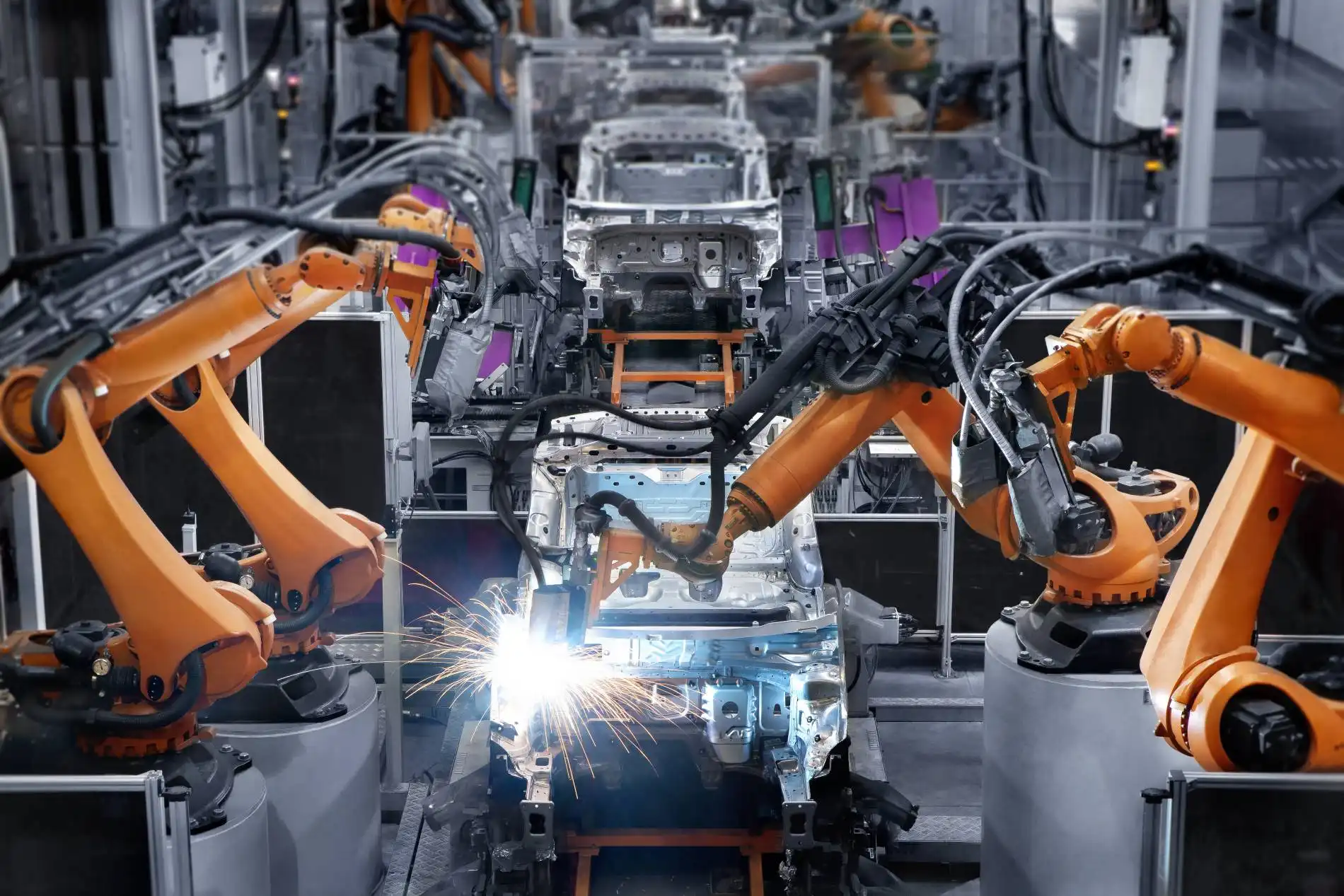
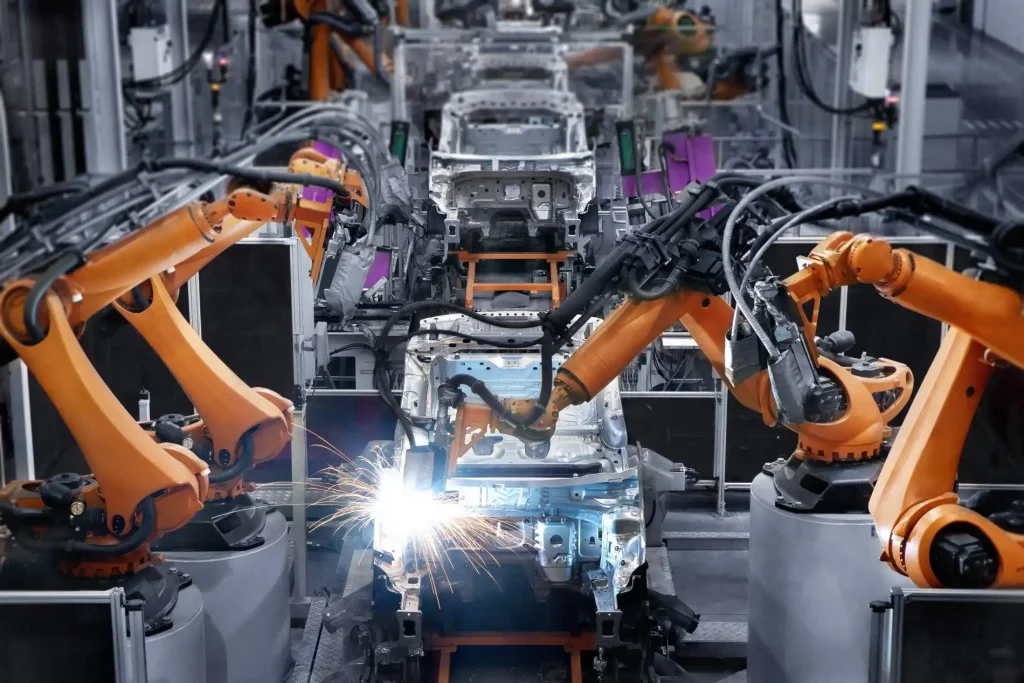
Fiber laser use is reshaping the automotive industry, improving everything from body manufacturing to battery assembly. Manufacturers demand precision and speed, especially as the electric vehicles market expands. The fiber laser drilling machine market in the automotive sector is projected to grow at a compound annual growth rate of 10.3% from 2026 to 2033, reflecting the shift toward advanced manufacturing.
“Fiber lasers deliver robust welds and high-precision cuts, meeting the need for flexibility and efficiency.”
These tools enable tighter tolerances, faster production, and safer assembly. Their impact reaches across bodywork and battery production.
Key Takeaways
- Fiber lasers enhance automotive manufacturing by providing high precision and speed, crucial for producing electric vehicles efficiently.
- These lasers reduce operational costs through high energy efficiency and low maintenance needs, making them a smart investment for manufacturers.
- Fiber lasers excel in cutting and welding lightweight materials, improving material utilization and reducing waste in vehicle production.
- Advanced features like real-time monitoring and Adjustable Ring Mode technology ensure consistent quality and reduce defects in automotive applications.
- The integration of fiber lasers supports the shift towards smart manufacturing, enabling rapid production and adaptability to new materials.
Fiber Laser Technology in the Automotive Industry
What Are Fiber Lasers?
A fiber laser uses a doped optical fiber as its gain medium. This technology stands out for its ability to generate a high-quality laser beam with excellent stability. In automotive manufacturing, fiber laser systems deliver precise energy to the workpiece, making them ideal for cutting, welding, and marking metals. The compact design of fiber laser equipment allows for easy integration into automated production lines. As the industry shifts toward electric vehicles and smart systems, fiber laser innovations continue to support new manufacturing requirements. Fiber laser marking machines play a critical role in labeling electronic components and battery packs, ensuring traceability and compliance with safety standards.
Advantages for Automotive Manufacturing
Fiber laser technology offers several advantages for automotive applications:
- High energy efficiency reduces operational costs.
- Superior beam quality enables accurate welding and cutting.
- Compact size fits well with robotic automation.
- Reliable performance ensures consistent results in demanding environments.
- Fiber lasers work well with metals and reflective materials, which are common in automotive parts.
- Low maintenance needs help manufacturers avoid downtime.
Fiber laser technology supports high-precision tasks, such as joining thin metals or marking small components. These features make fiber laser a preferred choice for modern automotive plants.
Fiber Lasers vs. Traditional Lasers
The following table compares fiber lasers and CO2 lasers, two common types used in manufacturing:
| Feature | Fiber Lasers | CO2 Lasers |
|---|---|---|
| Gain Medium | Doped optical fiber | Gas mixture (CO2) |
| Efficiency | Up to 30-50% power conversion | 10-15% power conversion |
| Maintenance | Low, fewer moving parts | Higher, requires regular alignments |
| Material Suitability | Metals, reflective materials | Thicker materials, non-reflective |
| Applications | Cutting, welding, marking in automotive | Cutting wood, plastics |
| Precision | High precision, minimal heat distortion | Moderate precision |
Fiber laser systems offer higher efficiency and lower maintenance than traditional CO2 lasers. They cut faster, produce better beams, and reduce waste. The cost advantages of fiber lasers are clear: manufacturers can save up to $520,000 over five years and $840,000 over ten years compared to CO2 systems. High accuracy also means less rework and material waste, making fiber laser a smart investment for automotive production.
Fiber Laser Use in Body Manufacturing
Lightweight Materials and Precision
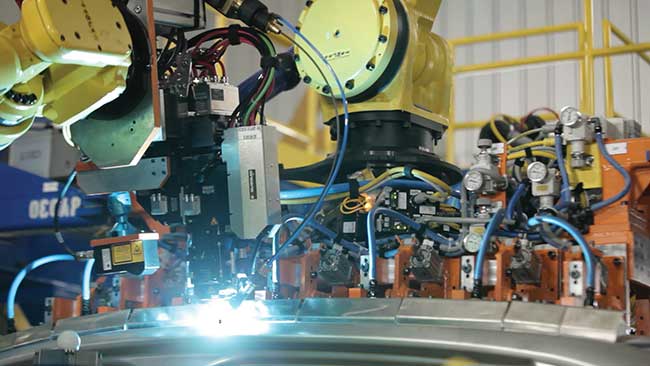
Fiber laser use is central to the automotive industry’s pursuit of lightweighting. Manufacturers rely on fiber lasers to cut high-strength metals such as aluminum and titanium with exceptional precision. This technology allows for tighter tolerances and superior edge quality, which improves material utilization and reduces waste. The ability to process lightweight materials without extensive post-processing is vital for high-volume automotive production. As electric vehicles become more common, fiber lasers enable faster and cleaner cuts, supporting efficiency and safety standards.
Note: Lasers are also used for parts marking and traceability, ensuring that engine parts and chassis components are permanently marked with serial numbers and QR codes. This is crucial for safety recalls and compliance.
Automotive manufacturers benefit from fiber laser use in interior engraving and personalization. Fine patterns and textures can be etched onto interior components, enhancing the luxury feel of vehicles. The integration of ultra-high power fiber laser modules is transforming lightweight chassis assembly, making it possible to join thin metals with minimal heat distortion.
High-Speed Cutting and Welding
Fiber lasers deliver high process speed in automotive body manufacturing. Welding operations are estimated to be three to ten times faster than traditional methods due to the concentrated beam and high power input. Minimal thermal distortion means less need for post-welding clean-ups, which accelerates production.
- Fiber laser welding operates at substantially faster rates compared to conventional arc welding techniques.
- No consumables and no power degradation make fiber lasers ideal for high-speed production lines.
Manufacturers achieve robust welds with fiber lasers, ensuring structural integrity while minimizing heat input. This capability is essential for joining lightweight materials and maintaining the quality of automotive bodies. The transition to electric vehicles has increased demand for specialized welding applications, especially in battery module assembly and lightweight chassis construction.
Automation and Consistency
Automation is a key driver in modern automotive manufacturing. Fiber lasers enhance micro-processing accuracy for tasks like cutting and drilling. Their compact and powerful design improves manufacturing quality and simplifies integration with automated systems.
- Facilities experience productivity increases of 40-60% with fiber laser systems.
- Batch processing becomes more efficient and predictable.
- Seamless integration with automation reduces the need for manual labor.
AI-enabled laser process monitoring systems are being adopted to meet stringent quality standards. These systems improve operational efficiency and reduce rework costs. Regional innovation clusters in Japan foster collaboration among laser manufacturers and automotive OEMs, advancing next-generation laser solutions.
Tip: Laser welding is crucial for joining battery components in automotive applications. It ensures robust electrical conductivity while minimizing heat input, protecting adjacent components.
Fiber laser use supports consistent quality control and integration with automated lines. Manufacturers can rely on fiber lasers for repeatable results, which is essential for large-scale automotive production.
Fiber Lasers in Battery Production
Welding Battery Cells and Packs
Fiber laser use has become essential in battery manufacturing for electric vehicles. The demand for high-quality battery joining processes continues to rise as automotive manufacturers seek safer and more reliable energy storage. Fiber laser welding delivers precise, repeatable results for battery cells and packs. This technology creates strong welds with minimal heat input, which is critical for sensitive battery components.
The following table highlights technical data supporting the effectiveness of fiber lasers in battery welding:
| Evidence Description | Details |
|---|---|
| Wavelength Efficiency | Green lasers at 515 nm improve copper welding quality with 40% absorptivity, compared to 5% at 1070 nm. |
| Market Share | Fiber laser systems accounted for $1.75 billion (54.6%) of the EV battery welding market in 2025. |
| Beam Quality | Fiber lasers achieve M-squared values below 1.1, enabling precision welding. |
| Efficiency | Wall-plug efficiency of fiber lasers is 30%-45%, significantly higher than CO2 and Nd:YAG lasers. |
Fiber laser welding supports both continuous wave and pulsed modes. Pulsed lasers can operate at lower power for thin metals, ensuring strong welds without excessive fusion. The weld profile often resembles a staking process, with a transition zone of less than ten microns. This level of control is vital for battery joining processes, where even minor defects can impact electric vehicle battery performance.
Managing Heat and Material Integrity
Managing heat is a major challenge in battery manufacturing. Excessive heat can damage sensitive materials and reduce battery life. Fiber laser use addresses this issue by creating a minimal heat affected zone. This reduces thermal distortion and protects the integrity of battery cells and modules.
- Fiber lasers achieve electrical-to-optical conversion efficiencies exceeding 40%, which improves energy efficiency during battery manufacturing.
- Integration of laser welding into automated production lines has led to energy savings of up to 35% through intelligent process control systems.
- Pulsed laser welding provides precise control over heat input, significantly reducing the heat-affected zone (HAZ), which is crucial for maintaining the integrity of sensitive battery components.
Automotive manufacturers benefit from these features by producing batteries with consistent quality and longer service life. Accurate penetration depth control ensures that each weld meets strict safety standards. Spatter elimination further enhances the quality of the weld, reducing the risk of short circuits or contamination inside the battery.
Joining Dissimilar Metals
Joining dissimilar metals is a common requirement in battery joining processes. Electric vehicle batteries often use copper, aluminum, and stainless steel in their construction. Traditional welding methods struggle with these combinations due to brittleness and intermetallic compound formation. Fiber laser welding overcomes these challenges by enabling precise joining with minimal heat input.
Recent advancements in laser-based welding technologies have improved the efficiency of electric vehicle batteries. By joining dissimilar metals, such as copper to stainless steel terminals, fiber lasers enhance energy storage and reduce resistance. This leads to better battery performance and reliability. Unlike resistance spot welding, fiber lasers create strong, reliable joints without the brittleness associated with intermetallic compounds.
| Feature | Description |
|---|---|
| Minimal heat affected zone | Reduces thermal distortion and damage to surrounding materials. |
| Accurate penetration depth control | Ensures precise welding depth, crucial for joining different metal types. |
| Spatter elimination | Enhances the quality of the weld by reducing unwanted debris. |
| High process speed | Operates at speeds of 200 – 500 mm/sec, increasing efficiency in production. |
Fiber lasers can successfully join dissimilar metals like copper and aluminum, which traditional methods struggle with due to brittleness. The use of high power and short pulses allows for mechanical joints with minimal intermetallic formation. Shear strengths of around 10 lbs (44 N) in single-layer welds have been achieved, supporting the durability required in automotive battery applications.
Processing Copper and Aluminum
Copper and aluminum are widely used in battery manufacturing due to their excellent electrical properties. However, these metals present unique challenges during joining processes. Managing intermetallic compounds, controlling heat input, and ensuring equipment stability are critical for successful battery joining processes.
- Limit heat exposure time to control compound growth.
- Utilize rapid solidification to restrict diffusion.
- Optimize joint geometry to manage reaction locations.
- Self-developed fiber laser sources provide output stability, maintaining a predictable thermal profile.
- Air-cooled system design ensures reliable operation in varying temperatures.
- Integrated system layouts minimize external connections that could affect welding behavior.
The Adjustable Ring Mode (ARM) technology enables precise control over melt pool dynamics, which results in consistent processing and virtually eliminates spatter. This is particularly beneficial for welding copper, as the ring beam pre-heats the material, enhancing its absorption of infrared light.
Utilizing a single type of laser source for various tasks provides manufacturers with increased flexibility and cost savings. This approach allows for shared output between multiple processes, streamlining production and reducing spare parts inventory.
Tip: Fiber laser use in battery manufacturing supports high process speed, accurate penetration, and minimal heat impact. These features are essential for producing safe, reliable batteries for the next generation of electric vehicles.
Advanced Laser Technologies
Adjustable Ring Mode (ARM) Lasers
Adjustable Ring Mode (ARM) lasers have transformed automotive manufacturing by offering precise control over laser energy distribution. Manufacturers can independently modulate the central and ring spots of the laser beam. This feature optimizes melt pool dynamics and minimizes spatter, which is especially important when welding dissimilar metals such as copper and aluminum. ARM lasers deliver consistent results and reduce defects, making them ideal for complex battery and body applications. Recent advancements in fiber laser technology have also improved power output and beam quality, allowing ARM lasers to handle thicker materials and more demanding tasks. These innovations support faster and more reliable welding processes, enhancing both speed and quality.
Real-Time Monitoring
Real-time monitoring systems play a critical role in optimizing fiber laser processes for automotive production. Intelligent control systems enable manufacturers to adjust parameters during welding, improving consistency and reducing defects.
- The ProcessGUARD system integrates photodiodes directly into the fiber laser, providing real-time monitoring and defect detection without external optics.
- In bipolar plate welding, the system detected defects not visible on the surface, demonstrating its ability to identify buried flaws.
- During lap welding of cables for electric vehicle batteries, ProcessGUARD successfully detected spatter events in real time, which is crucial for maintaining weld quality and productivity.
High-power fiber lasers combined with real-time monitoring ensure that each weld meets strict automotive standards. These systems help manufacturers maintain quality and reduce costly rework.
Flexibility and Efficiency
Fiber lasers contribute to increased flexibility and efficiency in automotive manufacturing. The technology supports complex geometries and multi-material assemblies, which are essential for modern vehicle designs. Manufacturers use fiber lasers throughout production, from prototyping to quality assurance. Integration with automated lines enhances both flexibility and efficiency.
| Evidence Point | Description |
|---|---|
| High Efficiency | Fiber lasers are increasingly adopted for their high efficiency in cutting, welding, and micromachining operations. |
| Precision Processing | The technology supports precision metal processing, which is crucial for automotive manufacturing. |
| Faster Production Cycles | The integration of fiber lasers leads to faster production cycles, enhancing overall efficiency. |
| Cost Optimization | Lower operating costs associated with fiber lasers contribute to cost optimization in manufacturing. |
Fiber lasers enable manufacturers to process a wide range of materials and create complex shapes. These advancements make automotive production faster, more reliable, and cost-effective. Enhanced beam quality and user-friendly controls further expand the range of applications, supporting innovation across the industry.
Emerging Applications and Trends
LiDAR and Sensor Integration
Fiber lasers are driving innovation in automotive sensing systems. LiDAR technology, powered by fiber lasers, is becoming essential for advanced driver-assistance systems (ADAS) and autonomous vehicles. The 1550nm pulsed fiber laser market is expanding as automakers seek better detection and eye-safe operation. LiDAR systems use fiber lasers to provide precise environmental mapping, which supports features like collision avoidance and pedestrian detection.
- LiDAR is now the primary active sensing layer for vehicles above Level 2 autonomy.
- Industry forecasts project 3.5 million autonomous vehicles on U.S. highways by 2025, increasing to 4.5 million by 2030.
- Fiber lasers deliver higher power and improved resolution, making them ideal for these applications.
Automotive companies face challenges such as high development costs and complex integration. However, ongoing innovation in fiber laser design and manufacturing is helping to address these barriers.
Microfabrication for Electronics
Fiber lasers play a key role in the microfabrication of automotive electronics. Their ability to cut, drill, and mark intricate components with high precision supports the production of advanced sensors and control units.
- High repetition rates reduce downtime and minimize heat-related damage.
- Fiber lasers are widely used in semiconductor fabrication and component manufacturing, improving both speed and accuracy.
This technology enables the creation of smaller, more reliable electronic parts, which are essential for modern vehicles.
Smart Manufacturing and E-Mobility
The shift toward electric vehicles and smart manufacturing relies on fiber laser technology. Fiber lasers enable precision cutting, welding, and marking for lightweight structures and battery components.
- Integration with robotic automation allows for rapid, flexible production and minimal human intervention.
- Real-time monitoring and Industry 4.0 integration improve efficiency and sustainability.
- Laser cutting reduces material waste and energy consumption, supporting automotive sustainability goals.
Fiber lasers also support the joining of dissimilar metals and the reduction of vehicle weight by allowing for smaller flanges. These advancements are crucial for the next generation of electric vehicles and smart factories.
Fiber lasers continue to transform automotive manufacturing by delivering unmatched precision, speed, and flexibility. Their compact design and high energy efficiency support lightweighting and battery production, while advanced control systems ensure consistent quality.
| Benefit | Description |
|---|---|
| Precision | Enables high control for delicate materials and complex assemblies. |
| Speed | Supports fast welding and cutting for efficient production lines. |
| Quality | Delivers strong, uniform welds with minimal thermal damage. |
| Flexibility | Adapts to new materials and evolving vehicle designs. |
- Fiber lasers help manufacturers meet the demands of electric vehicles and smart factories.
- Market growth signals ongoing innovation and new opportunities for industry leaders.
Automotive professionals should explore fiber laser solutions to stay competitive as technology advances.
FAQ
What makes fiber lasers better than traditional welding methods?
Fiber lasers offer higher precision and speed. They create less heat, which protects materials. Maintenance needs are lower. Manufacturers save time and money by using fiber lasers for automotive production.
Can fiber lasers cut and weld all types of metals used in cars?
Yes. Fiber lasers work well with steel, aluminum, copper, and other metals. They handle reflective and thin materials. This flexibility supports modern automotive designs.
How do fiber lasers improve electric vehicle battery safety?
Fiber lasers produce clean, strong welds with minimal heat. This reduces the risk of battery damage. Consistent weld quality helps prevent short circuits and improves battery reliability.
Are fiber lasers easy to integrate into automated production lines?
Manufacturers can easily add fiber lasers to robotic and automated systems. Their compact size and stable output make them ideal for smart factories and high-volume production.
What is Adjustable Ring Mode (ARM) technology in fiber lasers?
ARM technology allows precise control of the laser beam shape. It improves weld quality, especially for dissimilar metals like copper and aluminum. This innovation reduces defects and increases production efficiency.