
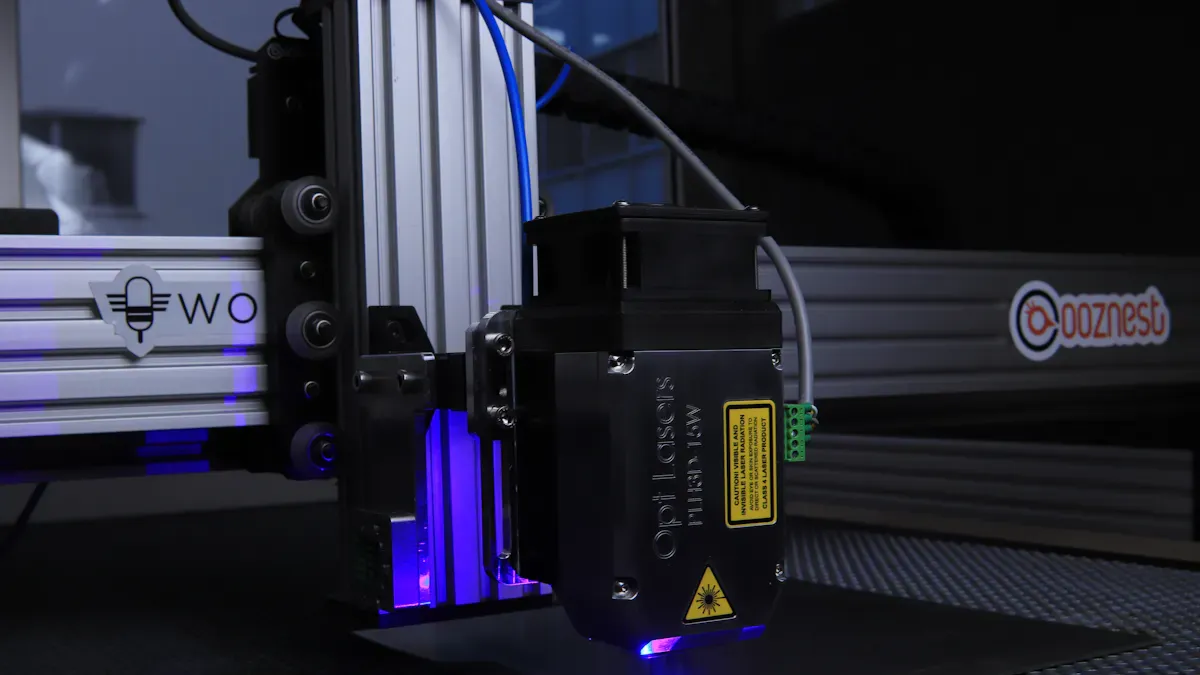
Fiber laser marking and engraving both use advanced fiber lasers, but they create different results. Marking changes the surface color or texture, while engraving removes material for deeper, more permanent marks. Choosing the right process matters for product durability and appearance.
- The global market for fiber laser engraving machines is expected to reach $3,100.3 million by 2025, with fiber laser engraving making up about 43.9% of this segment.
- Fiber laser marking has a projected market size of $5.02 billion in 2025, growing to $8.06 billion by 2032.
- The Asia Pacific region leads in adoption due to strong manufacturing in electronics and automotive sectors.
| Market Type | Market Size (2025) | Projected Size (2032) | CAGR (%) |
|---|---|---|---|
| Fiber Laser Marking | USD 5.02 billion | USD 8.06 billion | 7.1 |
| Fiber Laser Engraving | USD 3.94 billion | USD 7.19 billion | 7.8 |
Understanding these differences helps you select the best technique for your needs.
Key Takeaways
- Fiber laser marking changes the surface of materials, creating readable marks without removing material.
- Fiber laser engraving removes material to create deep, permanent marks ideal for harsh environments.
- Choose marking for high-speed production and engraving for durability in tough conditions.
- Consider material compatibility and desired outcomes when selecting between marking and engraving.
- Both processes have unique advantages; marking is faster and cost-effective, while engraving offers long-lasting results.
Fiber Laser Marking Explained
Marking Process Overview
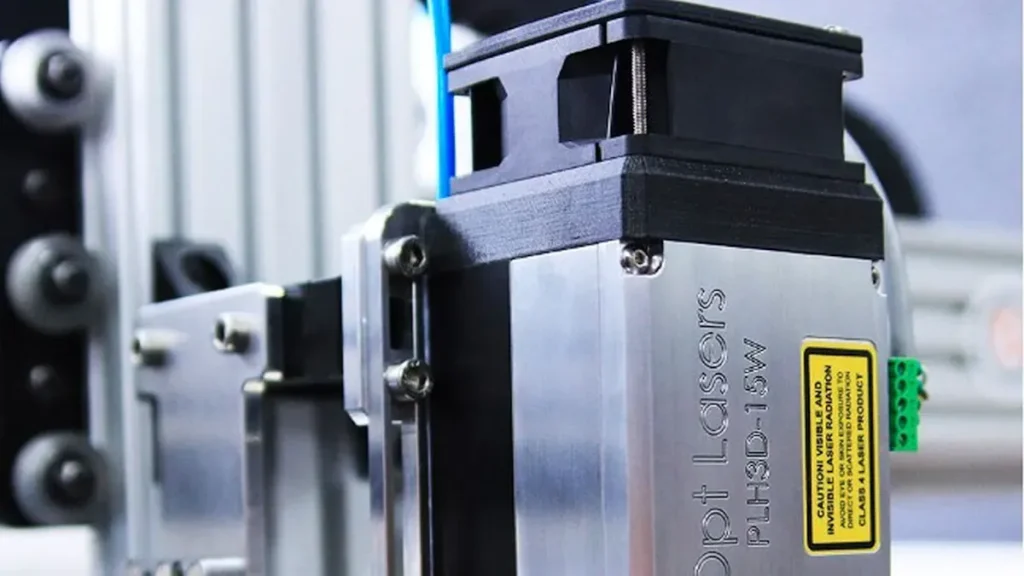
Fiber laser marking uses a precise and controlled process to create marks on a wide range of materials. The process begins with the generation of a laser beam inside a fiber optic cable that contains ytterbium. This laser beam is then directed through a set of mirrors, called galvanometers, and focused onto the surface of the workpiece. The system follows programmed designs to ensure accuracy. Operators select the right laser settings based on how the material absorbs energy.
- The laser beam is generated in ytterbium-doped fiber optics.
- The beam passes through galvanometers and lenses to mark the workpiece.
- Operators adjust laser parameters for each material.
Many modern systems include automation, validation steps, and quality control checks to ensure each mark meets industry standards.
Surface Effects and Durability
Fiber laser marking changes the surface of metals and other materials through heat. The process can cause oxidation, which forms a thin, durable oxide layer. Sometimes, the laser melts a shallow layer or even vaporizes a tiny amount of material for deeper effects. These changes make the marks last a long time, even in tough environments.
- Marks remain readable for over 15 years in industrial settings.
- They resist wear better than inkjet or chemical marks.
The durability of these marks is certified by international standards, making fiber laser marking a trusted choice for products that need to withstand cleaning, abrasion, or weather.
Common Marking Materials
Manufacturers use fiber laser marking on many types of materials. Metals are the most common, including stainless steel, aluminum, brass, titanium, and precious metals. Plastics such as PVC, ABS, polypropylene, and polycarbonate are also popular choices. Other materials include ceramics, rubber, leather, and some fabrics.
- Aluminum is marked for different effects.
- Brass and copper are used in electronics.
- Ceramics can be marked, though they are more challenging.
Tip: Fiber laser marking works best on metals and many plastics, but results may vary with ceramics and other non-metal materials.
Fiber Laser Engraving Basics
Engraving Process Overview
Fiber laser engraving creates deep, lasting marks by removing material from the surface. The process uses a focused laser beam to vaporize or melt the top layer. This method is popular for making serial numbers, barcodes, and permanent identification marks. Leading manufacturers describe the steps for laser engraving as follows:
- Ideation: Decide on the engraving concept and material.
- Design: Create the image or text using compatible design software.
- Settings Selection: Choose the appropriate settings for the laser engraver.
- Execution: Start the engraving process and monitor the machine.
- Finalization: Remove the engraved material from the machine.
Each step ensures that the final result is accurate and meets industry standards.
Depth and Permanence
Fiber laser engraving stands out for its ability to create deep and permanent marks. The laser can penetrate metals and plastics to different depths, depending on the material and settings. This makes the process ideal for applications that require long-lasting identification.
| Material Type | Maximum Depth Achievable |
|---|---|
| Metals | Up to 1.5mm |
| Plastics | Up to 1mm or more |
These depths allow for clear and readable marks, even after years of use or exposure to harsh conditions. Many industries rely on laser engraving for permanent identification because the marks do not fade or wear away easily.
Suitable Materials for Engraving
Fiber laser engraving works well on a wide range of materials. Some materials are especially suited for this process due to their durability and unique properties.
| Material Type | Examples | Key Properties |
|---|---|---|
| High-performance alloys | Inconel, surgical-grade titanium | Durability, unique optical properties |
| Advanced ceramics | Zirconia, alumina, silicon carbide | Hardness, thermal stability, chemical resistance |
| Engineered plastics | PEEK, ULTEM | Strength-to-weight ratio, chemical resistance, biocompatibility |
These materials are common in aerospace, medical, and electronics industries. Fiber laser engraving provides reliable and precise results, making it a top choice for parts that need permanent identification.
Tip: Always test a small area before full-scale engraving to ensure the best results for your material.
Laser Marking vs Laser Engraving
Depth and Surface Impact
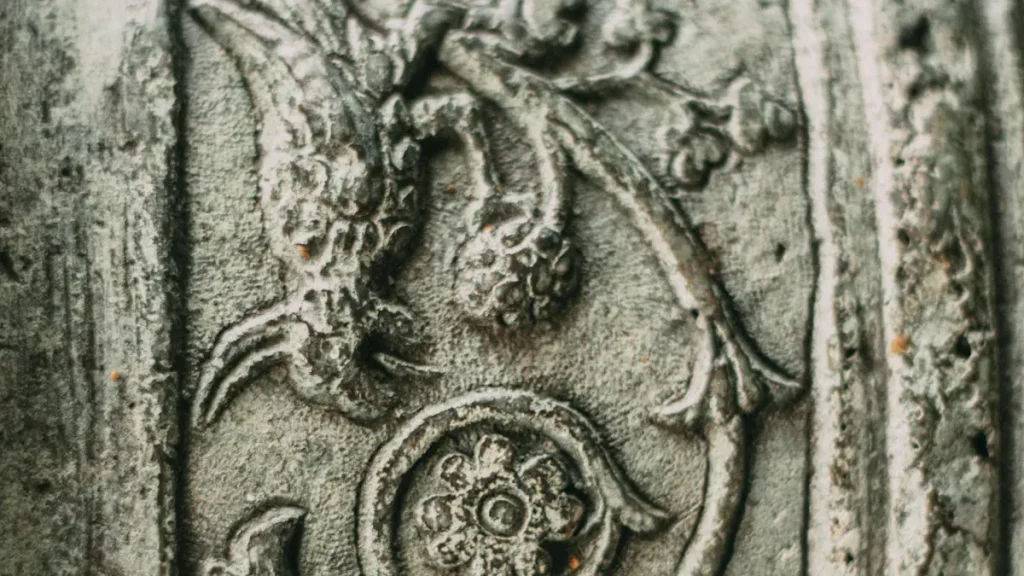
Fiber laser marking and fiber laser engraving differ most in how they interact with the material’s surface. Marking changes only the top layer, while engraving removes material to create a deeper impression. The following table highlights these differences:
| Criteria | Laser Marking | Laser Engraving |
|---|---|---|
| Depth of Marking | No cutting into the material, only surface change | Creates a noticeable cavity by vaporizing material |
| Typical Depth | 0.0001 inches (shallow) | 0.005 inches or more (deep) |
| Surface Impact | Melts or oxidizes the surface | Removes material, forms a cavity |
| Finish Quality | Smooth, no texture change | Noticeable texture, sometimes raised edges |
Laser marking leaves the surface mostly intact. It works well for applications where the material’s strength must remain unchanged. Engraving, on the other hand, creates a cavity that can be felt and seen. This makes it ideal for permanent identification, especially in harsh environments.
Speed and Efficiency
Speed and efficiency play a major role in choosing between these two processes. Fiber laser marking operates at high speeds, often between 1 and 3 meters per second. This rapid pace makes it suitable for high-volume production lines. Anneal marking can take just a few seconds per part.
Laser engraving, especially on hard metals, usually requires multiple passes. Engraving tool steel may take 10 to 30 passes, which can last up to a minute for each part. This slower process is due to the need to remove material layer by layer.
- Fiber laser marking is ideal for fast, precise marks in fractions of a second.
- Laser engraving is efficient for high-volume runs but is slower than marking.
- Reduced cycle times and increased throughput are key benefits of fiber laser marking in busy manufacturing environments.
| Feature | Fiber Laser Marking | Laser Engraving |
|---|---|---|
| Marking Speed | Fast (1-3 m/s) | Slower (multiple passes) |
| Cycle Time | Reduced | Increased |
| Ideal for High Volume | Yes | Yes, but slower |
Note: Fiber laser marking is often chosen for industries that require quick turnaround and high productivity.
Durability and Wear Resistance
Durability is a critical factor for many industries. Fiber laser engraving creates deep marks that last for years, even under harsh conditions. These marks can withstand abrasion, cleaning, and exposure to chemicals. This makes engraving the preferred choice for parts that need permanent identification, such as firearm components or aerospace parts.
Laser marking, while durable, is best for environments where the surface will not face heavy wear. Marks from this process can last 5 to 10 years. However, they may fade if exposed to repeated abrasion or harsh chemicals.
Durability tests vary by industry. For example, medical tools may only need a shallow etch, while automotive parts require deep, permanent marks. Testing under real-world conditions ensures the chosen process meets the product’s needs.
Tip: Always test your marking or engraving under the same conditions your product will face in use.
Visual Results
The visual appearance of fiber laser marking and fiber laser engraving also differs. Engraving produces deep, tactile marks with clean edges. These marks are easy to see and feel. On stainless steel and aluminum, engraving creates a cavity that can be as deep as 0.02 inches.
Laser marking, in contrast, changes the surface color or finish without removing material. The result is a smooth, flat mark that does not alter the part’s shape. Marking offers high visual contrast, making it ideal for barcodes, serial numbers, and traceability.
| Process Type | Visual Characteristics | Depth of Marking |
|---|---|---|
| Laser Engraving | Durable cavities, clean edges, tactile marks | 0.02″ and up |
| Laser Marking | Smooth, high-contrast surface marks, no material removal | Surface alteration only |
For barcodes and serial numbers, laser marking provides better edge clarity and higher contrast. Engraving offers unmatched durability but may not always deliver the same level of visual contrast.
- Laser marking ensures high readability for tracking and identification.
- Laser engraving creates marks that remain visible and legible even after years of use.
Note: Choose laser marking for high-contrast, readable codes. Select engraving when you need marks that last in tough conditions.
Advantages and Disadvantages
Fiber Laser Marking Pros and Cons
Fiber laser marking offers several important advantages for manufacturers and product designers. Many industries choose this technology because it delivers:
- Precision: Fiber laser marking creates ultra-fine, high-resolution marks. This is essential for electronics, medical devices, and automotive parts.
- Cost-effectiveness: While the initial investment may be higher, the long-term savings on maintenance and consumables make it a smart choice.
- Versatility: This method works on a wide range of materials, so companies can use one machine for many applications.
- Environmental friendliness: Marking with fiber lasers does not produce hazardous waste, which helps reduce the environmental impact of manufacturing.
- High energy efficiency: Fiber lasers convert most of their electrical power into laser light, lowering energy costs.
- Minimal maintenance: The solid-state design means fewer breakdowns and less downtime.
However, there are some disadvantages to consider:
| Disadvantage | Description |
|---|---|
| Requirement for Skilled Operators | Operators need training for setup and maintenance, which can increase labor costs. |
| Limited Color Marking | Most fiber lasers produce only single-color marks, limiting design options. |
| Thermal Effects on Materials | High energy can damage heat-sensitive materials, requiring careful adjustments. |
| Not Suitable for Deep Engraving | Fiber laser marking is best for surface marks, not for deep material removal. |
| Potential Safety Hazards | Reflections from polished surfaces can pose risks if not managed properly. |
| Limited Field Size | The marking area may be too small for large parts. |
| Possible Maintenance Costs | Some components may still need periodic servicing. |
Note: Fiber laser marking is ideal for high-speed, precise, and eco-friendly applications, but it may not suit every project.
Fiber Laser Engraving Pros and Cons
Fiber laser engraving stands out for its ability to create permanent and tamper-proof marks. This process is especially valuable for traceability and product identification. Key benefits include:
- Engraving produces markings that last for the entire product life cycle.
- Serial numbers, batch codes, QR codes, and logos can be engraved for easy tracking.
- Enhanced traceability helps companies monitor products from creation to disposal.
- The process ensures authenticity and helps prevent counterfeiting.
Despite these strengths, fiber laser engraving has some limitations:
- Fiber lasers have difficulty engraving transparent materials like glass or acrylic.
- They are not well-suited for organic materials such as wood, leather, or paper.
- Highly reflective metals may need special settings to avoid laser reflection.
- Achieving deep engravings on plastics and wood can be challenging.
- High power can damage delicate materials due to excessive heat.
Tip: Always test your material before engraving to ensure the best results and avoid unwanted damage.
Applications and Limitations
Typical Uses for Marking
Fiber laser marking is a popular choice for industries that need clear and lasting identification. Many companies use this technology for product branding and traceability. Common marking applications include:
- Aerospace: Marking parts for safety and compliance.
- Automotive: Labeling components with serial numbers and logos.
- Electronics: Marking circuit boards and connectors for identification.
Manufacturers select fiber laser marking for its speed and accuracy. This application works well for high-volume production lines. It also helps companies meet strict industry standards.
Typical Uses for Engraving
Fiber laser engraving creates deep and permanent marks. This process is important for products that need to last in tough environments. Key applications include:
- Medical instruments: Engraved with identification codes for tracking.
- Electronic panels: Marked with logos and serial numbers.
- Automotive parts: Engraving part numbers, logos, and safety codes.
In the electronics sector, engraving is used for high-volume marking and micro-machining of components. Automotive manufacturers rely on this application for identifying mechanical, plastic, and electronic parts. Stainless steel and aluminum are often chosen for these applications because they produce clear and durable marks.
Material Limitations
Not all materials respond well to fiber laser marking or engraving. Some advanced ceramics, engineered plastics, and transparent or light-colored glass can be challenging. These materials may reflect the laser or absorb very little energy, making effective marking difficult. For example, dark ceramics work better, but transparent glass often needs higher power and slower speeds.
Highly reflective metals like titanium and copper also present challenges. Manufacturers sometimes use UV lasers for these materials. UV lasers operate at shorter wavelengths and can mark reflective surfaces with less heat. This method helps protect coatings and creates clear identification marks.
Note: Always test your material before starting a new application to ensure the best results.
Choosing the Right Process
Key Factors to Consider
Selecting between fiber laser marking and engraving depends on several important factors. Each factor helps determine which process fits your application best:
- Material Compatibility: Check how your material reacts to heat and its hardness.
- Desired Outcome: Decide if you need a surface mark or a deep, tactile impression.
- Durability Needs: Think about how much wear, contact, or environmental exposure the part will face.
- Production Volume: Consider how many items you need to process.
- Precision and Detail: Choose the process that matches your need for fine detail or depth.
- Cost Considerations: Balance the upfront investment with ongoing costs.
- Compliance and Industry Standards: Make sure the process meets your industry’s requirements.
Engraving creates deeper, more durable marks for harsh conditions, but it uses more energy and costs more. Marking is faster and less invasive, making it ideal for delicate or high-volume applications.
Cost and Production Considerations
Cost and production needs play a big role in process selection. The table below compares typical expenses:
| System Type | Capital Expenditure (CapEx) | Operating Expenditure (OpEx) |
|---|---|---|
| Laser Marking | $10,000–$40,000 | Lowest OpEx |
| Laser Engraving | Highest CapEx | Higher OpEx |
Laser marking offers the lowest operational costs. It requires no consumables and little maintenance. Engraving uses more energy and takes longer, which increases costs. For high-volume applications, marking is often the better choice.
Industry Examples
Many industries use fiber lasers for different applications:
- Ford Motor Company uses fiber laser marking for traceability in transmission assembly lines. This application covers steel, aluminum, plastic, and ceramic parts.
- Medical device makers rely on marking for clear identification without damaging the product.
- Aerospace and electronics companies use both marking and engraving for part tracking and compliance.
- Jewelry designers choose engraving for custom, durable designs.
Laser marking is the standard for permanent identification in automotive, aerospace, medical, and electronics applications.
Fiber laser marking and engraving serve different purposes. Surface marking changes the top layer for quick identification. Deep laser engraving removes material to create long-lasting engravings. Choosing the right process depends on your material, application, and durability needs.
- Surface marking works best for high-speed production and readable codes.
- Deep laser engraving is ideal for parts exposed to harsh conditions.
Evaluate your project requirements before selecting a method.
FAQ
What is fiber laser etching?
Fiber laser etching uses a focused laser beam to alter the surface of a material. The process creates marks by changing the color or texture. Fiber laser etching is popular for its speed and precision in marking metals and plastics.
How does fiber laser etching differ from engraving?
Fiber laser etching changes only the surface layer, while engraving removes material to create deeper marks. Fiber laser etching is faster and less invasive. Engraving provides more durability for parts that face harsh conditions.
Which materials are best for fiber laser etching?
Fiber laser etching works best on metals like stainless steel, aluminum, and brass. Many plastics, such as ABS and polycarbonate, also respond well. Fiber laser etching may not work on transparent or highly reflective materials.
Is fiber laser etching permanent?
Fiber laser etching creates marks that last for years. The marks resist wear, cleaning, and chemicals. Fiber laser etching is ideal for serial numbers, barcodes, and logos that need to stay readable over time.
Can fiber laser etching be used for detailed designs?
Yes, fiber laser etching produces fine, high-resolution details. The process allows for small text, intricate logos, and complex patterns. Fiber laser etching is widely used in electronics, jewelry, and medical device industries for this reason.