
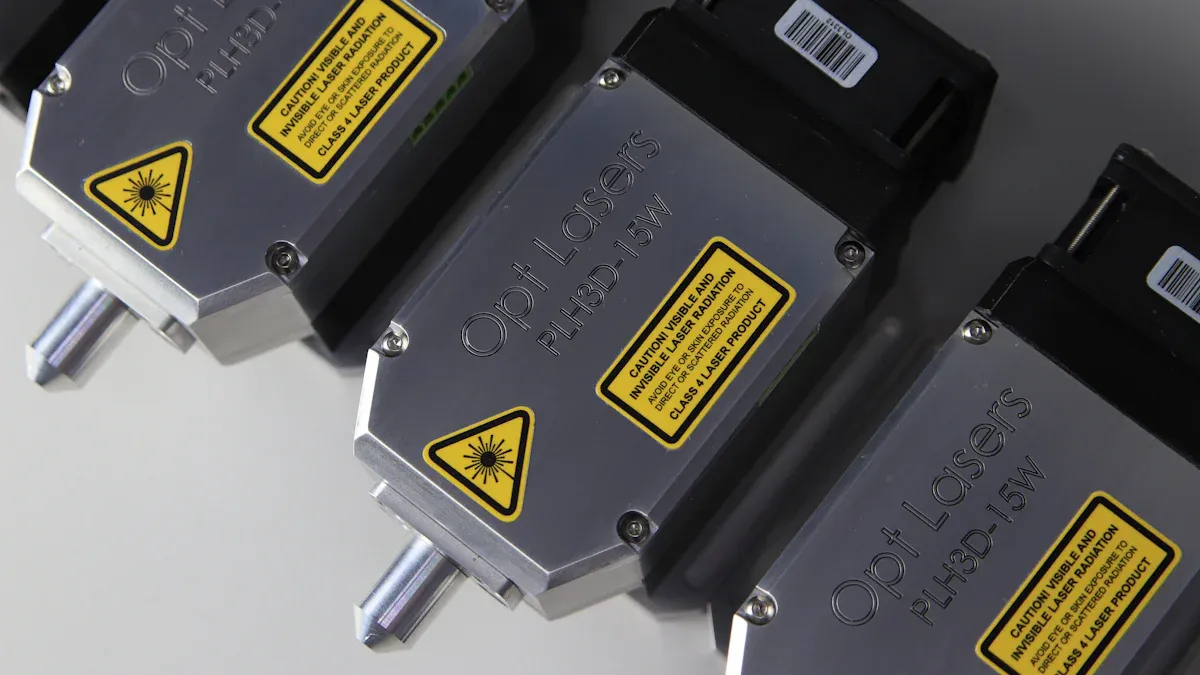
Yes, humidity affect fiber laser performance. Water vapor can cause condensation inside machines. Moisture may damage optics and electronics.
- Condensation can lead to unstable readings.
- Moisture increases risk of corrosion.
Proper humidity control helps protect fiber lasers from damage and ensures reliable operation.
Key Takeaways
- Humidity can cause condensation inside fiber laser machines, leading to unstable performance and potential damage.
- Maintaining humidity levels between 40% and 60% is crucial for protecting optics and electronics from moisture-related issues.
- Regular maintenance and inspections help identify condensation and corrosion early, preventing costly repairs and downtime.
- Using climate control systems, like dehumidifiers, can effectively manage humidity and extend the lifespan of fiber laser equipment.
- Operators should monitor their workspace for humidity changes to ensure optimal laser performance and reliability.
How Does Humidity Affect Fiber Laser
Condensation Risks
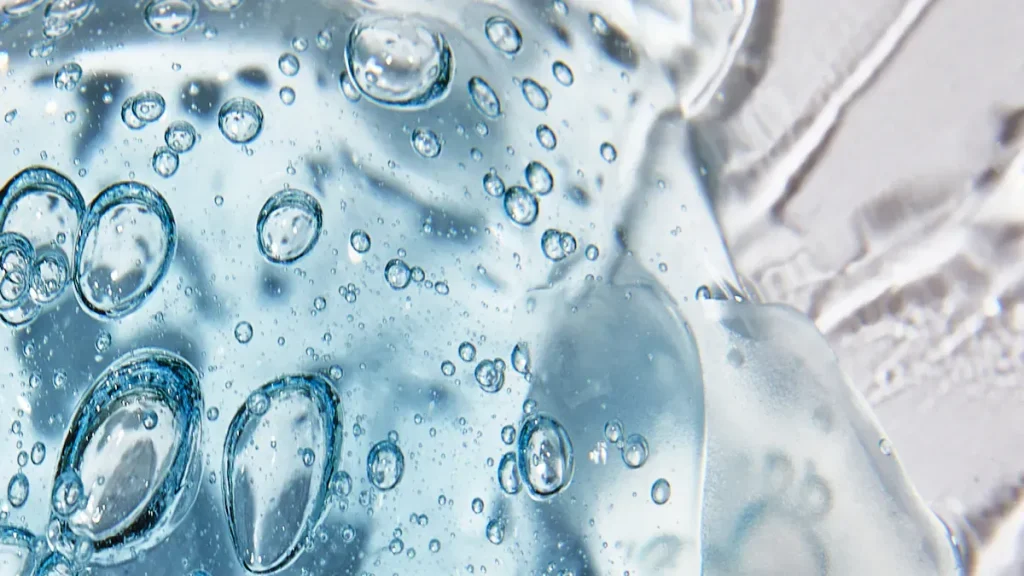
Condensation is a major concern for fiber laser cutting machine operators. When high humidity levels are present, water vapor can collect inside the machine. This often happens in the processing head, especially around the optical lens. If the cooling temperature drops below the dew point, condensation forms on the inner wall and lens. Using auxiliary gas colder than the dew point can also cause rapid condensation.
- Condensation commonly occurs in these areas:
- Processing head
- Optical lens
- Inner wall of the processing head
Checking for condensation is important when the fiber laser cutting machine experiences temperature changes. Condensation can damage optical lenses and lead to unstable readings. If the laser does not function normally during temperature fluctuations, condensation may be the cause.
Tip: Always monitor the processing head for signs of condensation after sudden changes in temperature.
Moisture and Refraction
Moisture inside a fiber laser cutting machine can change how light travels through the optics. Water droplets or vapor on the lens can cause refraction problems. This means the laser beam may bend or scatter, leading to unstable readings or detection failures. The laser may not cut materials as accurately, and the quality of the finished product can drop.
Moisture can also cause uneven energy distribution. This affects the cutting speed and quality. Operators may notice that the laser power becomes unstable. The machine may require more frequent adjustments to maintain performance.
Corrosion Concerns
Long-term exposure to humidity affect fiber laser systems in several ways. Moisture can cause corrosion and irreversible damage to many parts. The table below shows common types of damage caused by humidity:
| Type of Damage | Description |
|---|---|
| Damage to optical components | Condensation leads to water vapor on critical parts, causing scattering and power reduction. |
| Electrical system failure | Moisture causes short circuits and corrosion, leading to sudden shutdowns. |
| Rusting of mechanical parts | Water vapor causes lubrication failure and rust, affecting accuracy and maintenance needs. |
| Unstable laser power | Condensation results in light scattering and uneven energy, reducing cutting quality. |
| Shortened equipment life | Long-term exposure accelerates aging, increasing repair and replacement costs. |
Corrosion can affect the coatings on optical lenses. It can also damage electrical systems and mechanical parts. The fiber laser cutting machine may need more repairs and replacements. This increases costs and reduces reliability.
Humidity affect fiber laser performance by causing condensation, refraction issues, and corrosion. Operators must control humidity to protect their machines and ensure reliable operation.
Humidity-Related Fiber Laser Issues
Performance Instability
Humidity affect fiber laser systems in several ways, but one of the first signs is unstable performance. In a fiber laser cutting machine, condensation can form on the protective lens even if the lens looks clean. This hidden moisture can disrupt the laser beam and cause output to fluctuate. Operators should check for these symptoms:
- Unstable or reduced laser output
- Lens surface that appears clean but has hidden condensation
- Water, oil, dust, or slag residue on the lens
- Burn marks, cracks, or coating damage on optical parts
- Sudden changes in performance after weather shifts or when using cold assist gas
Note: Even without visible contamination, condensation can still impact the performance and longevity of your fiber laser cutting machine.
Visible Damage
High humidity can cause visible damage to the fiber laser cutting machine. Corrosion may appear on metal surfaces, especially around the optics and electronic boards. Rust, discoloration, or pitting on the lens or housing are warning signs. Over time, these issues can lead to more serious failures. Operators may also notice burn marks or cracks on the lens, which can reduce cutting quality and accuracy.
Increased Maintenance
When humidity levels stay high, the fiber laser cutting machine often needs more frequent maintenance. Moisture can cause short circuits or damage to optical coatings, leading to unexpected shutdowns. Many modern machines have humidity sensors that stop operation if levels get too high. While this protects the equipment, it can also disrupt production and increase maintenance needs. Regular checks and cleaning become necessary to keep the system running smoothly and to avoid costly repairs.
Tip: Monitor your workspace for wet or hot weather conditions. Early detection of humidity-related issues can prevent major damage and keep your fiber laser cutting machine operating at its best.
Preventing Humidity Issues
Environmental Controls
Humidity affect fiber laser performance when environmental controls are not in place. Operators should maintain humidity levels around 50%. Acceptable ranges for most facilities are between 20% and 90%. Industry standards recommend keeping humidity between 40% and 60% to protect electronics and prevent static buildup. Climate control systems, such as air conditioning and dehumidifiers, help regulate temperature and humidity. Desiccant dehumidifiers are widely used in industrial settings. They provide precise humidity control, especially in low-temperature environments. However, these systems can increase energy consumption, sometimes accounting for up to 30% of total HVAC usage.
| Measure | Description |
|---|---|
| Air Conditioning | Maintains temperature close to ambient, reducing condensation risk. |
| Dehumidifier | Keeps humidity below 50% to prevent condensation inside the machine. |
| Cooling Water Temperature | Adjusts cooling system above dew point to avoid condensation. |
Modern fiber laser cutting machines often include humidity sensors. These sensors monitor levels around the laser crystal and can disable the cooling system if humidity rises too high.
Proper Storage
Proper storage protects fiber laser cutting machines during periods of non-use. Store machines in environments with temperatures between 50°F and 95°F. Relative humidity should stay between 30% and 70%. Avoid placing machines in attics, basements, or unheated garages. These areas often have extreme temperatures or humidity, which can damage optics and electronics. Climate-controlled storage spaces help maintain critical environmental factors and support performance and longevity.
Regular Maintenance
Routine inspection prevents humidity-related problems. A professional technician should inspect the fiber laser cutting machine at least once a year. In high-production environments, bi-annual checks are recommended. Operators should clean optical lenses, check for signs of corrosion, and monitor cooling system performance. Advanced monitoring technologies, such as fiber-optic humidity sensors, provide real-time data and improve reliability.
Tip: Regular maintenance and environmental controls extend the life of your fiber laser cutting machine and reduce repair costs.
Humidity and Fiber Laser Reliability
Long-Term Effects
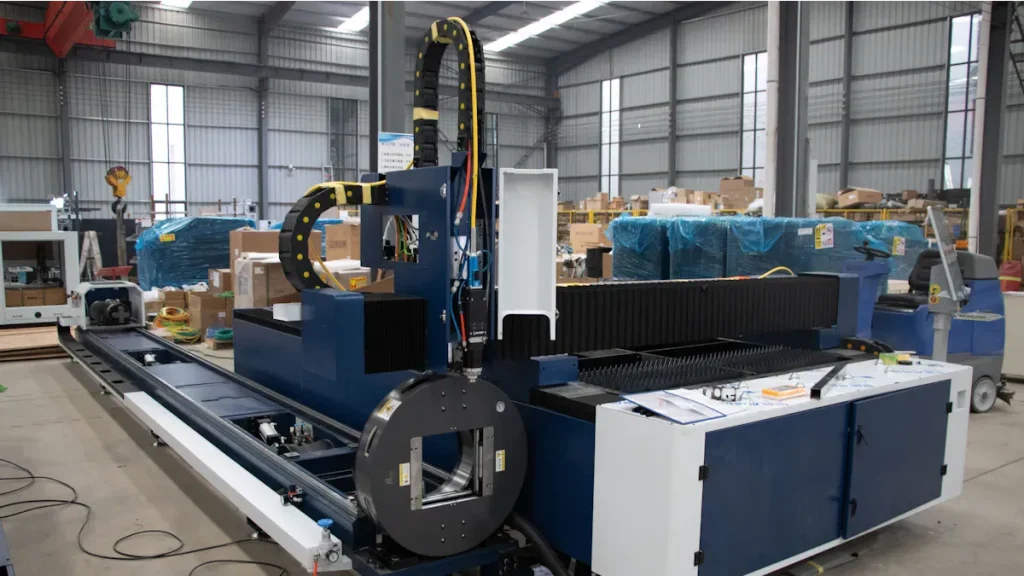
Humidity can have a serious impact on the long-term reliability of a fiber laser cutting machine. When humidity levels stay above 70% relative humidity, condensation forms inside the control cabinets. This moisture can cause electrical corrosion and short circuits. If the temperature in the workspace falls outside the 50–95°F range, condensation and thermal expansion can damage sensitive parts.
- Facilities without proper humidity control often face:
- A 30% increase in maintenance needs
- A reduction in average service life by 3–5 years
- More frequent electrical failures
Chronic exposure to moisture also weakens the optical fibers inside a fiber laser cutting machine. Over time, static fatigue from humidity reduces the strength and reliability of these fibers. The table below shows how studies have linked moisture to long-term problems:
| Study Focus | Findings | Implications |
|---|---|---|
| Life Prediction of Optical Fibers | Moisture limits fiber life due to static fatigue | Chronic humidity can shorten fiber laser system reliability |
| Mechanical Reliability | High-strength fibers lose strength in moist environments | Humidity exposure leads to reduced reliability |
| Environmental Simulation | Moisture causes static fatigue in optical fibers | Humidity speeds up degradation in fiber laser cutting machine parts |
Cost Implications
Operating a fiber laser cutting machine in a humid environment increases costs over time. More frequent repairs and part replacements become necessary. Electrical failures and corrosion can lead to sudden shutdowns, which disrupt production and lower output. When the machine’s lifespan drops by several years, companies must invest in new equipment sooner than planned.
Proactive humidity management helps avoid these extra costs. Using climate control systems and regular maintenance keeps the fiber laser cutting machine running smoothly. This approach protects the investment and ensures reliable performance for years.
Tip: Keeping humidity in check is one of the best ways to extend the life of your fiber laser cutting machine and reduce unexpected expenses.
Humidity can cause condensation, refraction problems, and corrosion in fiber lasers. These issues lower performance and increase repair costs. Regular maintenance and proper humidity control keep machines reliable. Experts recommend these steps:
- Set cooling water temperature higher than the dew point to stop condensation.
- Use climate controls to keep humidity steady.
| Condition | Impact on Fiber Lasers |
|---|---|
| Humidity Levels | Prevents moisture accumulation that can negatively impact laser optics and components. Aim for a consistent and controlled humidity environment. |
Following these practices helps protect your fiber laser and ensures long-term performance.
FAQ
What is the ideal humidity level for fiber laser machines?
Most experts recommend keeping humidity between 40% and 60%. This range protects electronics and optics. Machines work best in controlled environments.
Can high humidity cause permanent damage to fiber lasers?
Yes. High humidity can lead to corrosion, electrical failures, and optical damage. These issues may shorten the machine’s lifespan and increase repair costs.
How can I check for condensation inside my fiber laser?
Look for water droplets on the lens or inside the processing head. Use humidity sensors if available. Sudden drops in performance may signal condensation.
Do fiber lasers need special storage during humid seasons?
Yes. Store machines in climate-controlled rooms. Avoid basements or garages. Keep humidity and temperature within recommended ranges to prevent moisture buildup.