
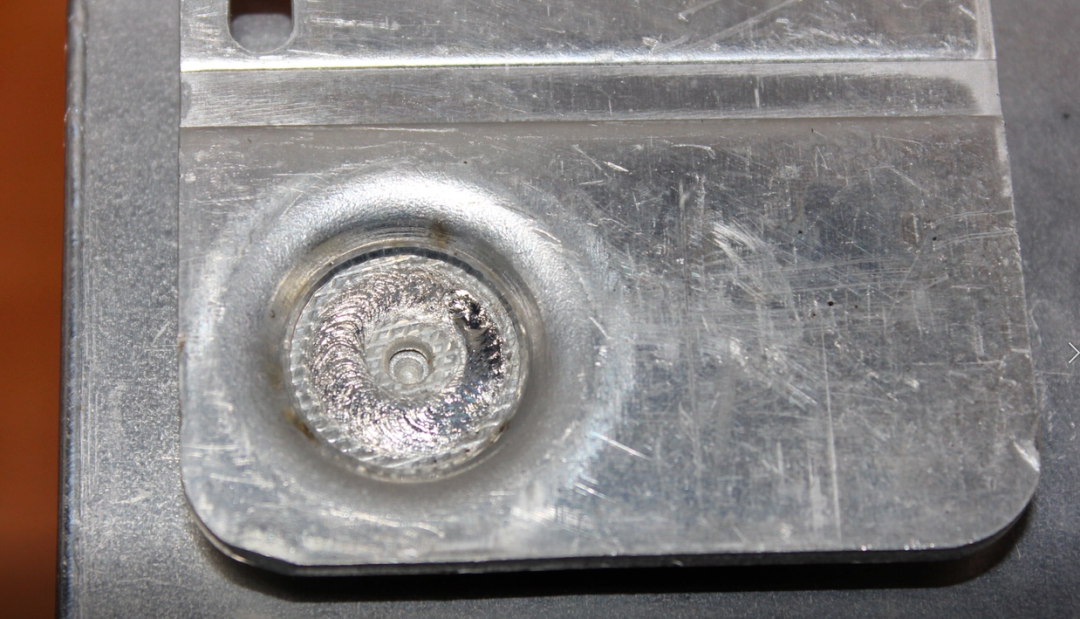
Understanding the Challenges Behind EV Battery Busbar Welding
Busbar welding may appear to be a single application. However, in real-world battery manufacturing, copper-to-copper, aluminum-to-aluminum, and copper-to-aluminum welding represent three completely different processes.
Although the same laser welding system may be used, each material combination has its own challenges, defect mechanisms, and optimized processing parameters.
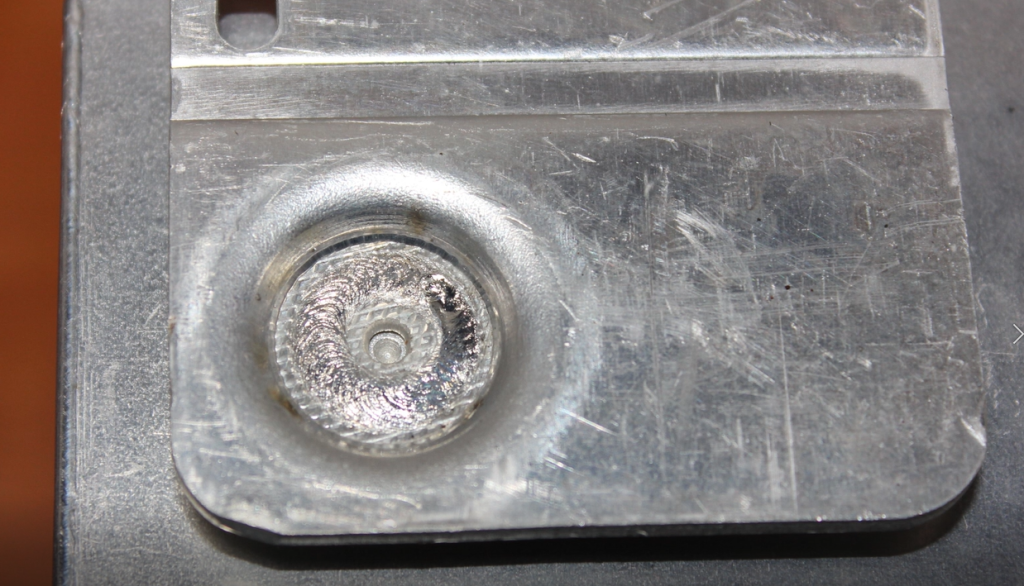
Choosing the wrong welding parameters can result in different failure modes, including unstable keyholes, porosity, cracks, excessive intermetallic compounds, and increased electrical resistance.
Why Busbar Welding Matters in Battery Manufacturing
A busbar is a critical current-carrying component that connects battery cells and modules.
In a 400V electric vehicle battery pack, busbars may continuously carry hundreds of amperes. Therefore, welded joints must maintain:
- Low and stable electrical resistance
- High mechanical strength
- Long-term reliability under thermal cycling
- Resistance against vibration and corrosion
Even a small increase in joint resistance can create significant heat generation.
For example:
A 1mΩ increase in resistance at 300A current generates approximately 90W additional heat.
Inside a densely packed battery system, this additional heat accelerates battery aging and may increase safety risks.
Therefore, busbar welding quality is not only a manufacturing requirement — it is a key factor affecting battery reliability and lifetime.
1. Copper-to-Copper Welding (Cu-Cu)
Main Challenge: High Reflectivity and Keyhole Instability
Copper is widely used in battery electrical connections due to its excellent conductivity. However, copper laser welding remains one of the most challenging processes.
Pure copper (C10100/C11000) has extremely high reflectivity at the common 1070nm laser wavelength, reflecting approximately 95% of incident laser energy at room temperature.
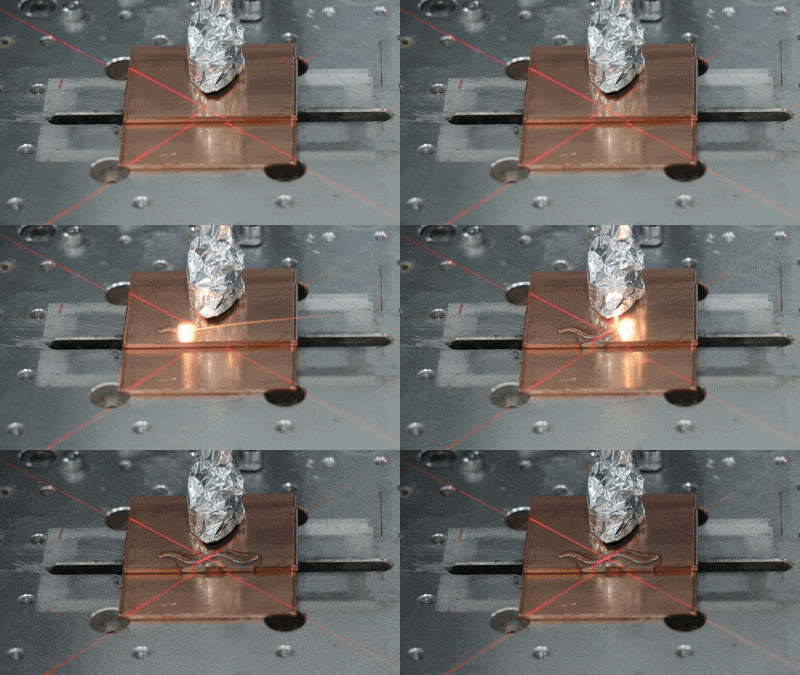
This results in:
- Low laser energy absorption
- Unstable keyhole formation
- Increased spatter risk
- Fluctuating penetration depth
CS Tec Solution: Controlled Beam Energy Distribution
Wuhan CS Tec utilizes advanced beam shaping technology to optimize energy distribution inside the molten pool.
The ring beam structure helps:
- Stabilize keyhole formation
- Improve molten metal flow
- Create a wider keyhole escape channel
- Allow trapped gas bubbles to escape before solidification
The result is:
✔ More stable copper welding
✔ Reduced spatter
✔ Improved penetration consistency
2. Aluminum-to-Aluminum Welding (Al-Al)
Main Challenges: Porosity and Hot Cracking
Aluminum provides excellent lightweight advantages for EV applications, but laser welding aluminum introduces different challenges.
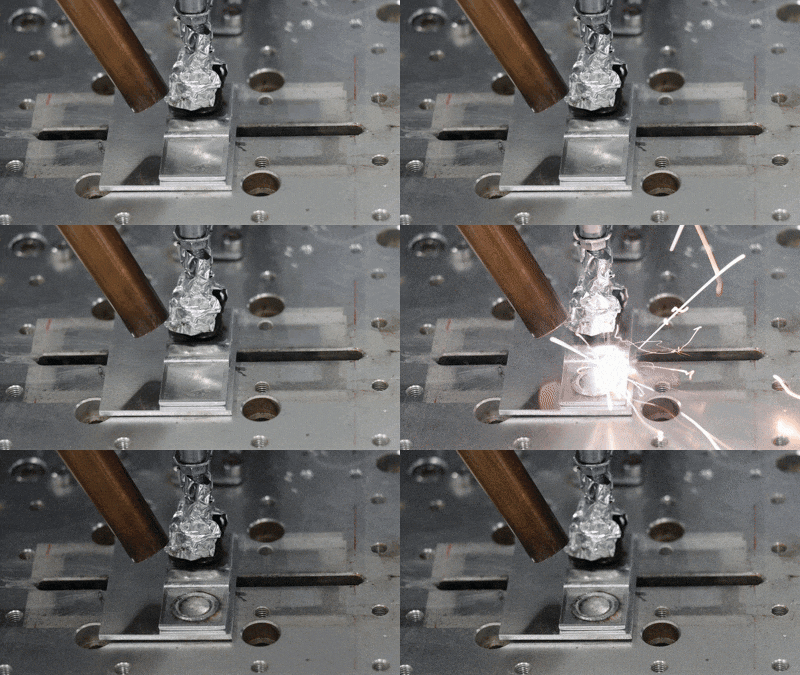
Hydrogen Porosity
During melting, aluminum can dissolve hydrogen. During rapid solidification, hydrogen cannot escape easily, causing internal pores.
Solutions include:
- Proper surface preparation
- Effective cleaning processes
- High-purity argon shielding gas
Keyhole Instability and Porosity
Aluminum has high thermal conductivity and rapid solidification characteristics.
The keyhole can collapse quickly, trapping gas inside the weld pool.
To maintain stable welding:
- Laser intensity must exceed the stable keyhole threshold
- Optimized power density and beam control are required
Thermal Cracking
Certain aluminum alloys are sensitive to hot cracking due to:
- Material composition
- Excessive heat input
- Improper cooling behavior
Precise control of laser energy input is essential to achieve reliable joints.
3. Copper-to-Aluminum Welding (Cu-Al)
Main Challenge: Intermetallic Compounds (IMC)
Copper-aluminum dissimilar welding is widely used in battery manufacturing but remains one of the most difficult joining processes.
When copper and aluminum mix inside the molten pool, they form intermetallic compounds such as:
- CuAl₂
- Cu₉Al₄
- CuAl
These compounds create several problems:
Mechanical Weakness
Intermetallic layers are brittle and have poor fracture toughness.
Under vibration and mechanical stress, excessive IMC formation may cause joint failure.
Increased Electrical Resistance
IMCs have higher electrical resistance than copper or aluminum base materials, increasing heat generation during operation.
Difficult to Eliminate After Formation
Once excessive intermetallic compounds form, they cannot be removed through conventional heat treatment.
Therefore, controlling molten pool mixing and heat input is critical.
Generally, maintaining IMC thickness below approximately 5μm is considered important for reliable electrical performance.
Optimized Laser Parameters for Different Busbar Materials
| Joint Type | Material | Thickness | Core Power | Duty Cycle | Shielding Gas |
|---|---|---|---|---|---|
| Cu-Cu | Pure Copper | 3–4 mm | 2–3 kW | 40–60% | Ar |
| Al-Al | 1xxx / 3xxx Aluminum | 1.5–3 mm | 1.5–2.5 kW | 50–70% | Ar |
| Cu-Al | Copper-Aluminum | 2–3 mm | 1.5–2 kW | 20–35% | Ar |
| Al-Al (Thin) | 1xxx Aluminum | <1.5 mm | 0.8–1.5 kW | 40–60% | Ar |
Wuhan CS Tec: Advanced Laser Welding Solutions for EV Battery Manufacturing
Wuhan CS Tec develops laser welding solutions based on precise control of beam energy distribution, molten pool dynamics, and welding stability.
Our laser systems enable:
✔ Low-spatter welding performance
✔ Stable penetration control
✔ Reduced electrical resistance
✔ High repeatability for mass production
✔ Reliable connections for EV battery applications
From copper busbars to aluminum structures and copper-aluminum hybrid joints, Wuhan CS Tec provides customized laser welding solutions designed for next-generation battery manufacturing.
Stable laser. Controlled process. Reliable battery connections.