
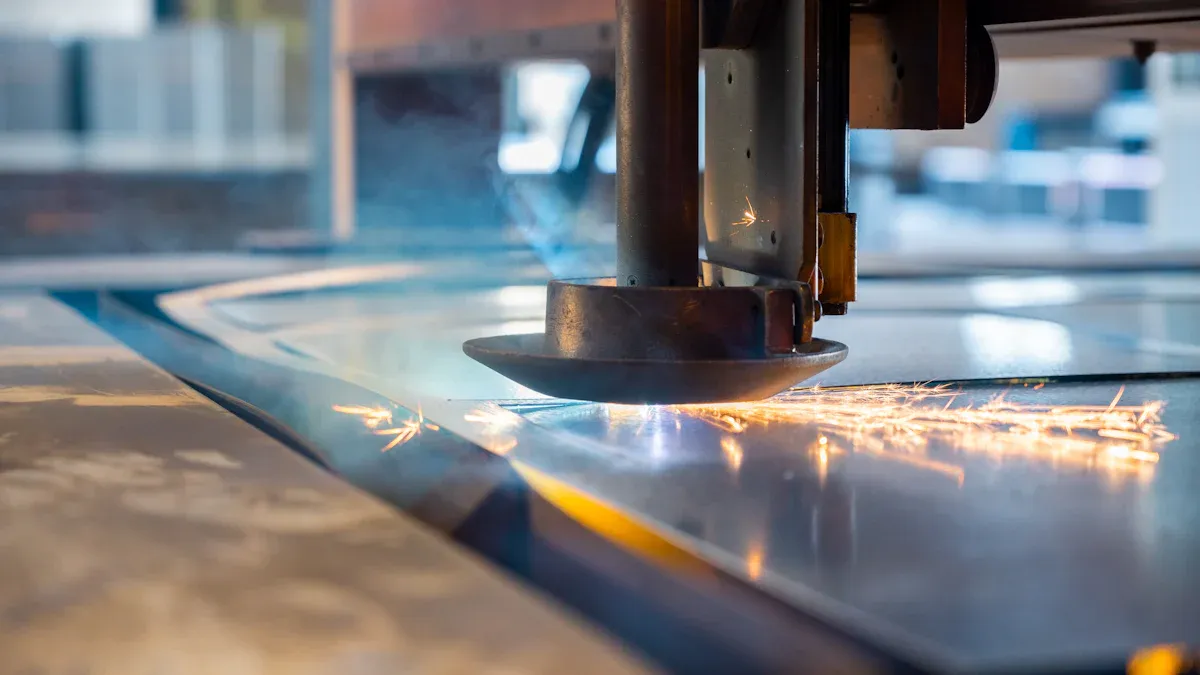
Fiber Lasers can cut reflective metals safely when operators use the right equipment and follow strict guidelines. Reflective metals like copper, brass, and aluminum can send laser energy back into the machine, which can cause optical hazards or even fires. The table below shows common safety risks and how experts control them:
| Hazard Type | Description | Control Measures |
|---|---|---|
| Optical Hazards | Back-reflected energy can damage optics. | Use isolators or sensors to detect reflection. |
| Fire Risks | Ignition at the nozzle from metal deposits. | Clean nozzles, use dry assist gas, and air knives. |
| Air Contaminants | Toxic fumes from metals like copper and brass. | Use extraction systems and approved respirators. |
Using advanced technology and proper methods helps protect both the machine and the operator.
Key Takeaways
- Fiber lasers can safely cut reflective metals like copper and aluminum with the right technology and safety measures.
- Using anti-reflection features in laser cutting machines prevents damage from back-reflected energy, ensuring safe operation.
- Adjusting cutting parameters such as power and speed enhances cutting quality and reduces risks associated with reflective metals.
- Regular maintenance and proper machine setup are crucial for maintaining efficiency and safety during laser cutting operations.
- Operator training is essential to ensure safety and effective use of fiber lasers, helping to prevent accidents and equipment damage.
Reflective Metals And Their Challenges
Types Of Reflective Metal Materials
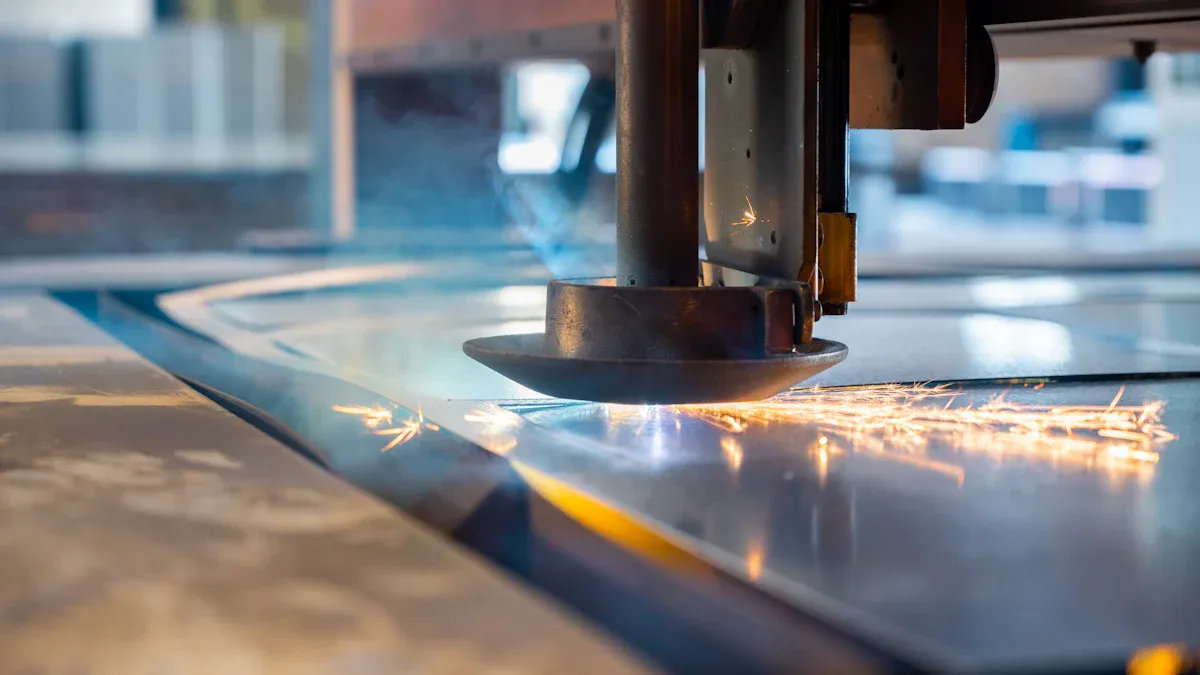
Reflective metals are materials that bounce back a large portion of light, including laser beams. These metals have unique optical properties that make them stand out in laser cutting applications. The most common reflective metals include aluminum, copper, silver, and gold. Their surfaces act like mirrors, sending laser energy away from the cutting zone.
Metallic materials generally absorb short-wavelength lasers (such as fiber lasers and Nd lasers) better. The wavelength of fiber laser is about 1.06 microns, which is suitable for efficient cutting of metal materials such as stainless steel, aluminum, copper, and carbon steel.
Highly reflective materials like copper can pose challenges as they tend to reflect the laser light rather than absorbing it, reducing cutting efficiency.
The table below shows typical reflective metals and their reflectivity at fiber laser wavelengths:
| Metal | Reflectivity at >1000 nm |
|---|---|
| Aluminum | High |
| Silver | High |
| Gold | High |
| Copper | High |
Why Reflective Metals Are Difficult To Cut
Reflective metals present several challenges during laser cutting. Their high reflectivity means that much of the laser energy is not absorbed, which lowers the efficiency of the process. High reflective materials like copper and aluminum have low absorption rates for fiber lasers, leading to significant reflection of laser energy. This reflection can cause instability in the laser processing and potential damage to the laser equipment. The challenge of cutting these metals is compounded by their initial low absorption, although absorption can increase when heated near melting points.
Different materials have significantly different absorption characteristics of laser wavelengths, which affects the cutting effect. The optical properties of a material determine its absorption rate of laser light of a specific wavelength.
When cutting certain high-reflectivity materials (such as copper, aluminum, etc.) using a fiber laser generator, special treatment may be required to reduce energy loss and cutting instability caused by reflection.
- The high reflectivity of aluminum interferes with the laser beam, which can lower the quality of cuts.
- While fiber lasers are generally faster for cutting other metals, this speed advantage diminishes when processing highly reflective materials like aluminum.
Specialized fiber laser sources are required to manage reflections that can damage equipment. The nLIGHT fiber laser source is designed to handle back-reflections, ensuring safe and stable cutting of reflective metals. Fiber lasers do not use mirrors or delicate lenses, which prevents damage from reflections when cutting materials like copper, aluminum, and brass.
Fiber Lasers And Safety Risks
How Fiber Lasers Handle Reflection
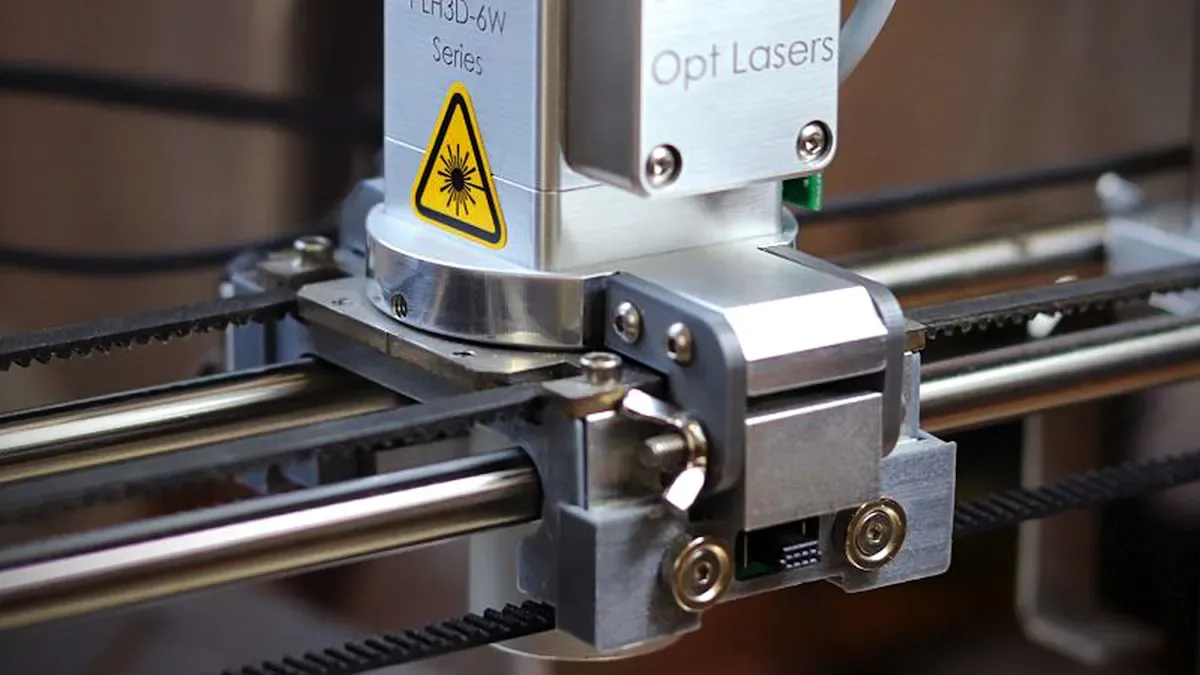
Fiber lasers have changed the way manufacturers cut reflective metals. These lasers use a shorter wavelength, which allows for better absorption by reflective metal materials. This feature increases the precision of fiber laser metal cutting and reduces the risk of back-reflection damage. Unlike CO2 lasers, fiber lasers achieve much higher efficiency. Modern fiber laser systems can reach wall-plug efficiency levels up to 50%, while CO2 lasers only reach about 10-15%. This means fiber lasers use less energy and generate less heat, making them safer and more cost-effective for cutting highly reflective materials.
| Laser Type | Efficiency (%) |
|---|---|
| Fiber Laser | >90 |
| CO2 Laser | 5-10 |
Fiber lasers use advanced technology to manage back-reflection from high reflective materials. For example, nLight’s alta fiber lasers have a built-in back-reflection isolator. This device converts any reflected energy into heat, which protects the laser system and keeps the cutting process stable. Some systems use an integrated sensor network that monitors the laser in real time. If the sensors detect abnormal back-reflected light, the system can trigger protection mechanisms in just microseconds. The STRION LASER uses a special optical path design that isolates and dissipates over 99% of back-reflected light. These features help fiber lasers cut reflective metals with high precision and safety.
Potential Equipment Risks
Cutting reflective metals with fiber lasers can still present risks if not managed properly. The main danger comes from back-reflected laser energy. If the material is not pierced or if the beam reflects off the surface, the energy can return to the laser head. This can cause several types of equipment damage:
- Damage to laser optics, such as lenses and the laser head.
- Harm to the laser source itself.
- Costly downtime due to equipment failure.
These risks are especially high when working with highly reflective materials like copper and aluminum. If the system does not have proper isolation or sensors, the risk of back-reflection damage increases. Fiber laser metal cutting machines with anti-reflective features can reduce these risks. Regular maintenance and careful setup also help prevent equipment problems. Precision in machine calibration is important for safe and effective fiber laser cutting.
Operator Safety Concerns
Operator safety is a top priority in any fiber laser metal cutting operation. The intense energy used to cut reflective metals can create hazards for workers. Industry standards require operators to receive training and certification in CNC laser cutting safety. Work zones should have non-reflective barriers to protect operators from stray laser beams. Anti-reflective coatings on machine optics help reduce laser beam scatter. Automatic shutoff systems add another layer of safety by stopping the machine if a problem occurs.
Tip: Workshops should have clear zoning to separate laser cutting areas from operator zones. This helps keep workers safe and reduces the chance of accidents.
Operators must also wear proper protective equipment and follow all safety protocols. Extraction systems should be used to remove fumes created during the cutting of reflective metal materials. These steps help ensure that fiber lasers can cut reflective metals safely and with high precision.
Solutions For Safe Fiber Laser Cutting
Pulsed Cutting For Reflective Metals
Pulsed cutting is a proven method for improving safety and cutting quality when working with reflective metals. This technique delivers energy in short bursts. Each pulse melts a small section of the metal. The metal cools between pulses. This process reduces the energy left on the surface and lowers the risk of dangerous back-reflection. Operators see more stable penetration and cleaner edges. Machine components stay safer during cutting.
- Pulsed cutting increases cutting efficiency for high reflective materials.
- The process improves cutting accuracy and cutting quality.
- It helps prevent damage to the fiber laser cutting machine.
- Pulsed cutting is especially useful for cutting aluminum and thin reflective metal sheets.
Pulsed cutting allows for high precision and stable results when cutting highly reflective materials. It is a key solution for cutting high reflective sheet metals.
Anti-Reflection Features In Fiber Laser Cutting Machines
Modern fiber laser cutting machines use anti-reflection protection to handle highly reflective materials. These machines often have anti-reflective coatings or special features. These features protect the laser source from damage caused by high laser reflectivity. Some machines use isolators that absorb or redirect reflected energy. This technology keeps the fiber laser cutting machine safe and improves cutting performance.
- Anti-reflection protection is essential for cutting highly reflective metal.
- Machines with these features can cut copper and aluminum with greater safety.
- Anti-reflective coatings help maintain cutting accuracy and cutting quality.
Fiber laser cutting machines with anti-reflection features are the best choice for cutting reflective metals. They offer reliable protection and high cutting efficiency.
| Feature | Benefit |
|---|---|
| Anti-reflective coatings | Prevents damage to laser source |
| Isolators | Absorbs reflected energy |
| Sensor systems | Monitors and reacts to back-reflection |
Parameter Adjustments For Safety
Adjusting parameters is important for safe and effective cutting. Operators can change settings like power, speed, and focus. These adjustments help control the amount of energy delivered to the metal. Lower power and slower speed can reduce back-reflection. Proper focus improves cutting accuracy and cutting quality. Parameter adjustments also help when cutting aluminum and other highly reflective materials.
- Operators should test settings before cutting.
- Regular calibration keeps the fiber laser cutting machine running smoothly.
- Adjustments improve cutting efficiency and precision.
Parameter adjustments are a simple way to boost safety and performance. They help operators achieve high precision and stable results.
Fiber lasers are considered the best choice for cutting reflective metals. Studies show that fiber lasers outperform YAG lasers in cutting aluminum and copper. Fiber lasers absorb energy efficiently at a wavelength of 1.06 µm. This allows them to penetrate the electron sea of metals and deliver superior cutting performance. Fiber laser cutting machines require less maintenance and offer better energy efficiency. These advantages make them ideal for cutting reflective metals and high reflective materials.
Best Practices For Fiber Laser Cutting
Machine Setup And Maintenance
Proper setup and regular maintenance of a laser cutting machine are essential for safe and effective cutting. Machines designed for reflective metals should include back-reflection protection technology and optical isolators. These features prevent reflected energy from damaging the laser head and help maintain high precision. Operators must confirm that the equipment specifications include high-reflection protection before starting any cutting job.
| Best Practice | Description |
|---|---|
| Back-reflection protection technology | Prevents damage to the laser source from reflected light. |
| Use of optical isolators | Shields the laser head during cutting of copper and aluminum. |
| Confirm equipment specifications | Ensures the machine is suitable for reflective metals. |
Routine maintenance keeps the laser cutting machine running smoothly. Dust and debris can cause overheating and reduce cutting accuracy. Unlubricated parts may wear out quickly, and worn consumables can lower cutting quality. Neglecting the cooling system can lead to overheating, which affects both steel and other metals.
Tip: Always check the cooling system and clean the machine before each cutting session to ensure high precision and cutting efficiency.
Operator Training And Protocols
Operator training is critical for safe laser cutting machine operation. All personnel should receive role-specific training based on the class of laser and the application. Training must cover laser classifications, hazard recognition, and proper use of personal protective equipment. Hands-on exercises help operators practice emergency procedures and real-world cutting scenarios. Annual refresher courses keep everyone up to date.
| Operator Error | Description | Prevention Measures |
|---|---|---|
| Ignoring Safety Precautions | Risks like eye damage and burns from poor shielding. | Provide PPE, train on protocols, ensure proper ventilation. |
| Inaccurate Parameter Settings | Poor cut quality and equipment damage from wrong settings. | Follow guidelines, run test cuts, monitor in real time. |
| Operator Inexperience | Mistakes and poor cut quality from lack of training. | Invest in training, hands-on experience, continuous learning. |
Choosing The Right Fiber Laser Cutting Machine
Selecting the right laser cutting machine improves safety, cutting efficiency, and cutting accuracy. Consider the type of materials, such as steel, copper, or aluminum. Machines with higher power output can cut thicker steel and other reflective metals. Fast cutting speeds increase productivity, especially for steel. Durability ensures the machine will last through many cutting cycles.
- Higher power output allows for deeper and more precise cutting.
- Anti-reflection coatings on the machine and materials improve absorption and cutting quality.
- Real-time monitoring technology helps adjust parameters for high precision and stable results.
- Environmental factors like temperature and humidity can affect the performance of the laser cutting machine. Keep the workspace clean and control air quality for the best results.
Note: Fiber laser technology offers advanced features that make it the best choice for high precision and efficient cutting of steel and other reflective metals.
Fiber lasers can cut reflective metals safely with the right technology and strict safety protocols. High-power fiber lasers offer unmatched efficiency and reliability, especially for materials like copper and aluminum. Industry experts recommend wearing protective equipment, maintaining machines, and adjusting cutting parameters for best results. The table below highlights key takeaways from recent research:
| Key Takeaway | Description |
|---|---|
| Prominence of Laser Cutting | Laser cutting is vital in manufacturing, making up 80% of applications. |
| Efficiency of Fiber Lasers | Fiber lasers are more efficient than CO2 lasers for reflective metals. |
| Balancing Cutting Parameters | Adjusting power, speed, and gas pressure improves quality and safety. |
Always follow guidelines and use advanced fiber laser machines to achieve safe, efficient cutting.
FAQ
Can fiber lasers cut all types of reflective metals?
Fiber lasers can cut most reflective metals, including copper, aluminum, and brass. Machines with anti-reflection features work best. Some metals, like silver, may require extra precautions due to their high reflective properties.
What makes reflective metals risky for laser cutting?
Reflective metals bounce laser energy back toward the machine. This can damage optics or cause overheating. Operators must use machines designed for reflective materials and follow safety protocols.
How do fiber lasers prevent damage from reflective surfaces?
Fiber lasers use isolators and sensors to handle reflective energy. These features absorb or redirect back-reflected light. Machines with anti-reflection coatings offer extra protection when cutting reflective metals.
Are there special settings for cutting reflective metals?
Operators adjust power, speed, and focus for reflective materials. Lower power and slower speed help reduce back-reflection. Testing settings before cutting ensures safe and accurate results with reflective metals.
What safety gear should operators use when cutting reflective metals?
Operators wear protective glasses and gloves. Extraction systems remove fumes from reflective metals. Workshops use barriers to block stray laser beams. Training helps workers stay safe when handling reflective materials.