

Fiber Laser Cut is possible for aluminum, copper, and brass. Each metal has properties that influence the cutting process. Fiber laser technology stands out for its high power density and ability to produce fine, precise cuts, even on reflective surfaces. This makes it a top choice for manufacturers working with metals that are challenging for other laser types. Many industries use fiber lasers for applications such as automotive, aerospace, and electrical components. The right settings, assist gases, and laser type help ensure quality results while keeping costs and maintenance low.
Key Takeaways
- Fiber lasers efficiently cut aluminum, copper, and brass, making them ideal for various industries.
- Adjust laser power based on material thickness to achieve clean and precise cuts.
- Use nitrogen as the assist gas for aluminum and copper to prevent oxidation and ensure high-quality edges.
- Pulsed fiber lasers are best for cutting reflective metals like copper and brass, as they minimize heat damage and improve cut quality.
- Regularly monitor and adjust settings during the cutting process to maintain edge quality and reduce waste.
Fiber Laser Cut Aluminum
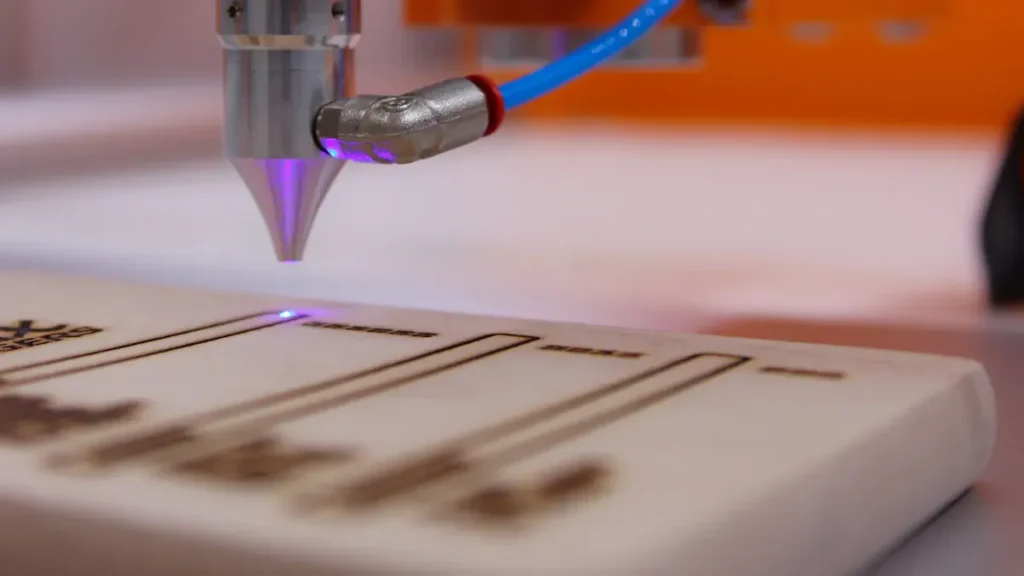
Cutting Aluminum: Key Factors
Fiber laser cut technology has become a popular choice for processing aluminum in many industries. The main reason is the ability of fiber lasers to handle reflective metals more efficiently than older CO₂ lasers. The shorter wavelength of a fiber laser cut allows more energy to be absorbed by aluminum, which improves cutting performance and reduces the risk of damaging the machine.
The thickness of the aluminum sheet plays a major role in selecting the right laser power. The table below shows the recommended power levels for different thicknesses:
| Thickness Category | Thickness Range | Recommended Power |
|---|---|---|
| Thin Aluminum | 0.5 mm – 3 mm | 1000W to 2000W |
| Medium Aluminum | 4 mm – 8 mm | 2000W to 4000W |
| Thick Aluminum | 9 mm – 15 mm | 4000W or more |
For example, a fiber laser cut on thin aluminum (up to 3 mm) can use lower power, while thicker sheets need much higher wattage. The right settings help achieve clean, precise results and prevent problems like incomplete cuts or rough edges.
Tip: Always match the laser power to the aluminum thickness for the best results.
Challenges with Aluminum
Cutting aluminum with a fiber laser cut machine presents several challenges. Aluminum reflects a large portion of the laser energy, especially at the start of the process. This high reflectivity can make it difficult to begin the cut and may cause inconsistent results if not managed properly.
Another challenge is aluminum’s high thermal conductivity. Heat spreads quickly through the material, which means the laser must deliver energy faster than it dissipates. If the heat is not controlled, the cutting zone can become unstable, leading to rough edges or incomplete cuts. Warping and distortion are also common, especially with thin sheets, because aluminum is lightweight and conducts heat so well.
The table below summarizes common issues:
| Challenge | Explanation |
|---|---|
| Inconsistent edge quality | Operators must adjust laser parameters to manage reflectivity and achieve smooth edges. |
| Heat Dissipation and Thermal Conductivity Issues | Aluminum spreads heat quickly, making it harder to keep a stable cutting zone. |
| Material Thickness Variability | Different thicknesses require different settings for effective fiber laser cut results. |
| Oxidation and Edge Quality Concerns | Oxidation can discolor edges; proper assist gas selection is important. |
| Warping and Distortion Risks | Thin sheets may warp if heat is not managed. |
| Precision Requirements for Complex Designs | Tight tolerances need advanced equipment and skilled programming. |
| Equipment Limitations and Technology Gaps | Not all machines are optimized for cutting aluminum. |
Note: Operators should monitor the process closely and adjust parameters as needed to handle these challenges.
Best Practices for Aluminum
To achieve the highest quality with a fiber laser cut on aluminum, follow these best practices:
- Use nitrogen as the assist gas to prevent oxidation and produce clean, shiny edges. Oxygen can be used for thicker aluminum but may cause discoloration.
- Adjust the laser focus position slightly above or below the surface to improve penetration and edge quality.
- Optimize the cutting speed. Too slow can cause burrs, while too fast may leave incomplete cuts.
- Clean the aluminum sheets before cutting to remove oils or contaminants that could affect the cut.
- Implement cooling strategies or periodic pauses during long jobs to prevent heat buildup and reduce the risk of warping.
- Continuously check the edge quality and adjust settings to minimize dross and melting.
A typical set of parameters for cutting aluminum might include:
- Power: 1500W–3000W (increase for thicker sheets)
- Speed: 1000–3000 mm/min (adjust for quality)
- Focus Position: Slightly negative (e.g., -0.5 mm)
- Assist Gas: Nitrogen at 10–20 bar
- Nozzle Distance: 1–2 mm
Safety Reminder: Always wear protective eyewear and follow safety protocols when operating fiber laser cut machines, especially with reflective metals like aluminum.
By understanding the properties of aluminum and following these guidelines, manufacturers can achieve precise, efficient, and safe fiber laser cut results.
Fiber Laser Cutting Machine for Copper
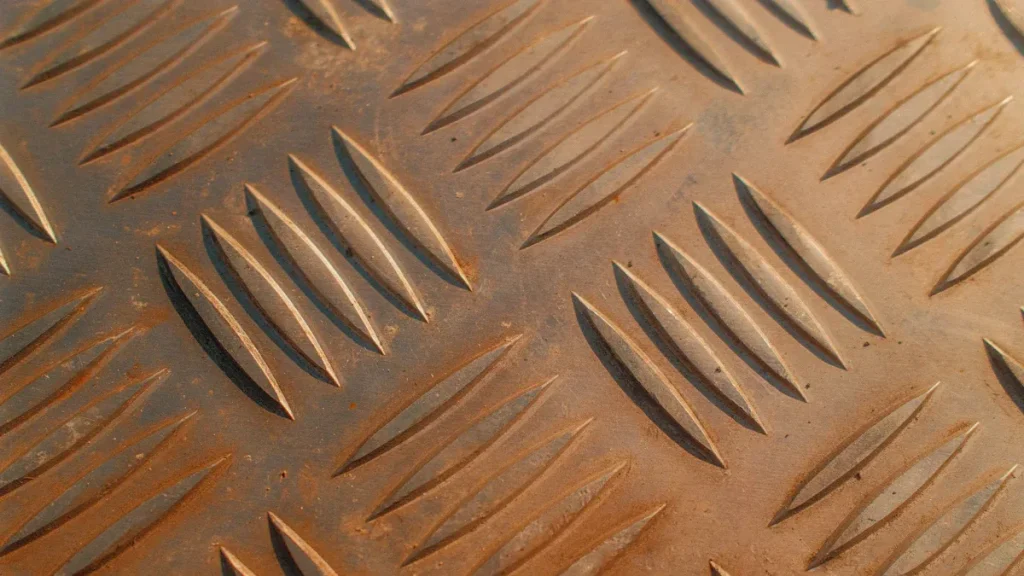
Copper’s Reflectivity
Copper is known for its high reflectivity, especially at the wavelengths used by fiber laser cutting machines. In its solid state, copper reflects over 95% of infrared radiation, which means only about 5% of the laser energy is absorbed at room temperature. As copper heats up and approaches its melting point, the absorption rate increases to around 20%. This change helps the fiber laser cutting machine cut more efficiently once the process begins.
Note: The high reflectivity of copper can make the initial cutting stage difficult. Operators must use the right settings to ensure the laser energy is absorbed quickly.
Cutting Challenges and Solutions
Cutting copper with a fiber laser cutting machine presents several challenges. The main issues include high reflectivity, high thermal conductivity, inefficient cutting, and potential damage to optics. The table below shows these challenges and recommended solutions:
| Challenge | Description | Solution |
|---|---|---|
| High Reflectivity | Copper reflects most laser energy, reducing efficiency and risking optics. | Increase laser power and use special coatings to absorb energy. |
| High Conductivity | Copper disperses heat quickly, making it hard to keep the cutting zone hot. | Use optimized optics and coatings to improve absorption. |
| Inefficient Cutting | Slow speeds and poor quality result from reflectivity and conductivity. | Adjust speed and assist gas pressure for better efficiency. |
| Potential Damage to Optics | Reflected energy can harm the laser optics. | Use pulsed lasers for precise energy delivery and self-protection systems. |
Fiber laser cutting machines operate at shorter wavelengths, which copper absorbs better than CO2 lasers. This leads to faster cutting speeds and cleaner edges. New technologies, such as blue and green fiber lasers, improve absorption and make the process more stable. Machines also use self-protection systems and special coatings to prevent damage from reflected energy.
Tips for Clean Copper Cuts
To achieve clean cuts on copper, operators should follow these tips:
- Use a fiber laser cutting machine with pulsed laser technology. Pulsed lasers deliver high peak power and short pulses, which quickly penetrate copper’s surface and minimize heat damage.
- Select higher wattage settings to overcome copper’s reflectivity and ensure effective cutting.
- Optimize cutting parameters, such as speed and assist gas pressure, to enhance efficiency and edge quality.
- Employ nitrogen as the assist gas to prevent oxidation and produce shiny, clean edges.
- Clean copper sheets before cutting to remove contaminants that could affect the process.
Tip: Pulsed fiber laser cutting machines are especially effective for copper. They help prevent damage to the laser head and produce precise cuts with minimal burrs.
Fiber Laser Cut Brass
Brass Properties and Cutting
Brass is a popular metal for decorative and industrial applications. Fiber laser machines can cut brass sheets with thicknesses up to about 0.625 inches. This range covers most common uses in manufacturing. Several properties make brass both attractive and challenging for laser cutting. Brass reflects laser light strongly, so fiber lasers are preferred because they handle reflectivity better than other types. Brass is sensitive to heat, which means operators must control the laser settings carefully. Too much heat can cause warping or discoloration. The power setting of the laser must match the thickness of the brass. Cutting speed affects the quality of the cut and the efficiency of the process. The focal point of the laser needs precise adjustment to avoid distortion. High-pressure assist gases, such as nitrogen or oxygen, help produce clean edges.
- Brass is highly reflective, requiring fiber lasers for effective cutting.
- Excessive heat can lead to warping or discoloration.
- Proper power settings prevent melting or incomplete cuts.
- Cutting speed and focal point adjustment are important for quality.
- High-pressure assist gases improve edge cleanliness.
Common Issues with Brass
Cutting brass with a fiber laser machine can present several challenges. Reflectivity often causes problems at the start of the cut. If the laser power is too low, the brass may not absorb enough energy, resulting in incomplete cuts. Heat sensitivity can cause the brass to warp or change color. Operators sometimes notice rough edges or excessive dross if the cutting speed is not set correctly. The table below shows some common issues and their effects:
| Issue | Effect |
|---|---|
| High reflectivity | Difficult initial penetration |
| Heat sensitivity | Warping or discoloration |
| Incorrect power | Excessive melting or incomplete cuts |
| Improper speed | Rough edges or dross |
| Focal point errors | Distortion or poor penetration |
Tip: Clean brass sheets before cutting to remove oils or contaminants. This helps achieve a smoother cut.
Optimizing Brass Cutting
Operators can improve brass cutting results by following several techniques. First, use the highest power setting available on the fiber laser machine. This reduces melting time and helps overcome reflectivity. Set the cutting speed slightly below the maximum rate, about 10–15% slower, to maintain a continuous cut and avoid re-piercing. Focus the laser beam near the top surface of the brass. This concentrates energy and increases power density, leading to better cut quality. Employ high-pressure nitrogen gas to remove molten brass during cutting. Nitrogen works well for brass and prevents oxidation.
- Use maximum power settings to minimize reflectivity.
- Adjust cutting speed to maintain a steady cut.
- Focus the laser beam near the brass surface for best results.
- Apply high-pressure nitrogen gas for clean edges.
Note: Regularly check the cut quality and adjust parameters as needed. This ensures consistent results and reduces waste.
Assist Gases in Fiber Laser Cut
Oxygen vs. Nitrogen Effects
Assist gases play a key role in fiber laser cutting. Oxygen and nitrogen are the most common choices. Each gas affects the cutting process in different ways. Oxygen reacts with the metal during cutting. This reaction increases the cutting speed but can lower the quality of the edge. Oxidation from oxygen often leaves a rough or colored edge. Nitrogen, on the other hand, does not react with the metal. It produces a clean, shiny edge but usually cuts more slowly.
The table below shows the main differences between oxygen and nitrogen as assist gases:
| Assist Gas | Cutting Speed | Edge Quality | Oxidation Effects |
|---|---|---|---|
| Oxygen | Higher | Poor | Oxides formed |
| Nitrogen | Slower | High | No oxidation |
Tip: Use nitrogen when you need a bright, oxide-free edge. Choose oxygen for faster cutting when edge appearance is less important.
Gas Choice for Each Metal
Selecting the right assist gas depends on the type of metal and the desired finish. Aluminum and copper both benefit from nitrogen. Nitrogen prevents oxidation and helps achieve a smooth, reflective edge. Brass also responds well to nitrogen, which keeps the cut edge clean and free from discoloration. Oxygen is rarely used for these metals because it can cause oxidation and lower the quality of the cut.
Compressed air is sometimes used for thin aluminum sheets. It offers a cost-effective option, though it may not produce the same high-quality edge as nitrogen.
The table below summarizes the best assist gas choices for different metals:
| Assist Gas | Best For | Edge Quality |
|---|---|---|
| Oxygen | Carbon Steel | Fast cutting, slight oxidized edge |
| Nitrogen | Stainless Steel, Aluminum | Bright, oxide-free edges |
| Compressed Air | Thin Sheets (Aluminum) | Cost-effective option |
Note: Always match the assist gas to the metal and the desired edge quality. This choice can make a big difference in the final result.
Pulsed vs. Continuous Fiber Laser
Operation Differences
Fiber lasers come in two main types: pulsed and continuous wave (CW). Each type operates differently and serves unique purposes in metal processing. The pulsed laser emits energy in short, powerful bursts. These bursts last from microseconds to nanoseconds. The continuous fiber laser delivers a steady, unbroken beam of energy. This difference in operation affects how each laser interacts with metals.
The table below highlights the main differences:
| Category | Fiber Laser (CW) | Pulsed Laser |
|---|---|---|
| Output Mode | Continuous, stable | Short bursts (µs–ns) |
| Power | High average power | High peak, lower average |
| Heat Impact | Higher | Very low HAZ |
| Best For | Cutting, welding | Cleaning, surface treatment |
| Materials | Metals | Metals, plastics, coatings |
| Cost | Higher | Medium–high |
The pulsed laser produces high peak power in each burst. This allows it to make precise cuts with minimal heat-affected zones (HAZ). The continuous fiber laser introduces more thermal energy, which can lead to a larger HAZ. Pulsed lasers help prevent problems like discoloration or micro-cracks. Fiber lasers are ideal for thick metal sheets, welding, and high-volume production. Pulsed lasers work best for delicate surface work, removal of coatings, and high-precision micro-features.
Best Choice for Reflective Metals
Reflective metals like copper and brass present unique challenges. Their surfaces bounce back much of the laser energy. Pulsed fiber lasers have become the preferred choice for these metals. The pulsed approach delivers energy in short bursts, which helps the metal absorb more energy quickly. This method allows for clean, precise cuts even on highly reflective surfaces.
Pulsed lasers minimize the risk of damaging the laser optics. They also reduce the chance of heat buildup, which can cause warping or poor-quality cuts. Fiber lasers, especially those using the pulsed mode, are optimized for metals such as copper and brass. The adoption of pulsed fiber laser technology has made it easier to achieve quality cuts on reflective metals. Compared to CO2 lasers, fiber lasers provide better energy absorption, making them more efficient for these applications.
Operators often choose pulsed lasers when they need to cut copper or brass. The pulsed method ensures that each cut is clean and accurate. Pulsed lasers also allow for better control over the cutting process. This results in fewer defects and higher-quality finished parts. Pulsed fiber lasers have transformed how manufacturers approach cuts on reflective metals.
Tip: For the best results on copper and brass, use a pulsed fiber laser. This approach produces cleaner cuts and protects your equipment.
Fiber laser cutting machines can cut aluminum, copper, and brass with high precision when operators use the right settings and assist gases. Material properties like reflectivity and thickness affect the process. The table below shows key machine capabilities for each metal:
| Material | Cutting Capability | Key Properties |
|---|---|---|
| Aluminum | High precision and speed | Strong, lightweight, high thermal conductivity |
| Brass | High precision, easy to vaporize | Corrosion resistant, reflective, aesthetic |
| Copper | Compatible with fiber lasers | Excellent thermal and electrical conductivity |
For best results, consult with manufacturers or experts to match machine features to your application.
FAQ
Can a fiber laser cut thick aluminum sheets?
Yes, a fiber laser can cut thick aluminum sheets. The machine needs higher power for thicker materials. Operators should adjust settings for best results. Clean edges and precise cuts are possible with the right parameters.
Is it safe to cut copper with a fiber laser?
Cutting copper with a fiber laser is safe when using proper settings and safety gear. Operators should monitor for reflected light. Modern machines have protection systems to prevent damage from reflections.
What assist gas works best for brass?
Nitrogen is the best assist gas for brass. It prevents oxidation and produces a clean, shiny edge. Oxygen can cause discoloration. Compressed air is sometimes used for thin sheets but may not give the best finish.
Do pulsed fiber lasers work better for reflective metals?
Pulsed fiber lasers work better for reflective metals like copper and brass. They deliver energy in short bursts. This helps the metal absorb more energy and reduces the risk of damaging the laser optics.