
In the laser industry, power is often the most visible specification. However, for advanced manufacturing applications, brightness is what truly matters.
Laser brightness is determined not only by output power, but also by beam quality. A high-brightness laser combines both, delivering exceptional power density within an extremely small focal spot. This capability enables faster processing speeds, deeper penetration, higher precision, and greater process stability.
For applications involving highly reflective materials such as copper, aluminum, gold, and silver, brightness becomes even more critical. Sufficient power density is often the key factor that determines whether a process can be performed efficiently and consistently.
From an engineering perspective, high brightness offers another important advantage: a wider process window. In real-world manufacturing environments, material variations, surface conditions, and process fluctuations can all affect laser-material interaction. Conventional laser systems may struggle when power density at the workpiece drops below the required threshold, leading to unstable processing results. High-brightness lasers provide greater tolerance to these variables, resulting in more robust and reliable production.
Yet achieving high brightness at ultra-high power levels remains one of the greatest challenges in fiber laser technology.
The difficulty lies in maintaining exceptional beam quality while continuously increasing power. To achieve true single-mode performance, engineers must simultaneously overcome several fundamental challenges, including:
• Nonlinear optical effects
• Transverse Mode Instability (TMI)
• Photodarkening
• Thermal management
Unlike conventional 6kW or 8kW industrial fiber lasers, which typically operate with larger M² values, single-mode fiber lasers require beam quality approaching the diffraction limit (M² ≈ 1). This means transmitting enormous optical power through a significantly smaller fiber core, dramatically increasing power density and engineering complexity.
For many years, multi-kilowatt single-mode fiber lasers have been regarded as the “crown jewel” of the laser industry. The technology barrier has remained extremely high, limiting access to only a handful of global leaders.
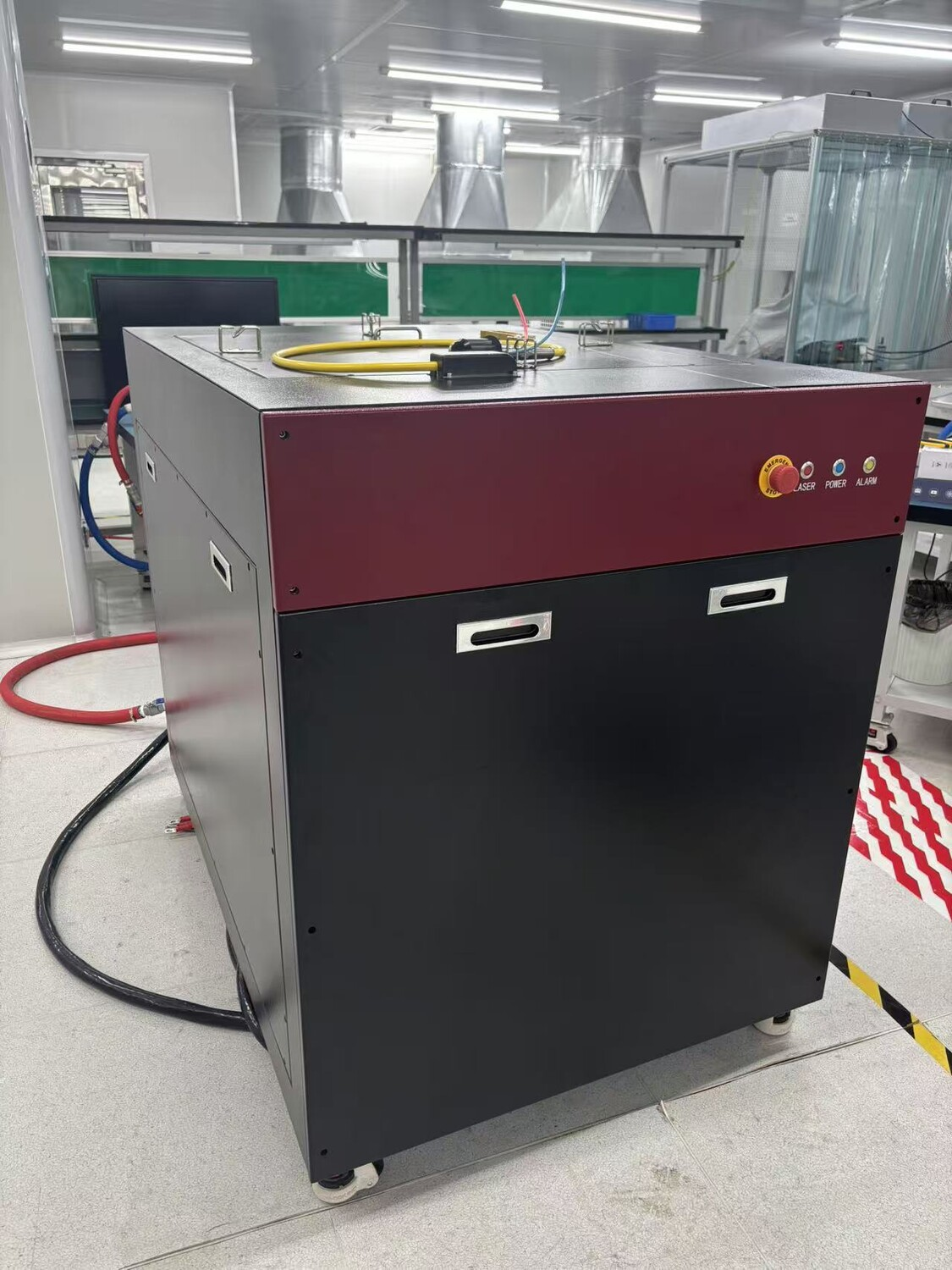
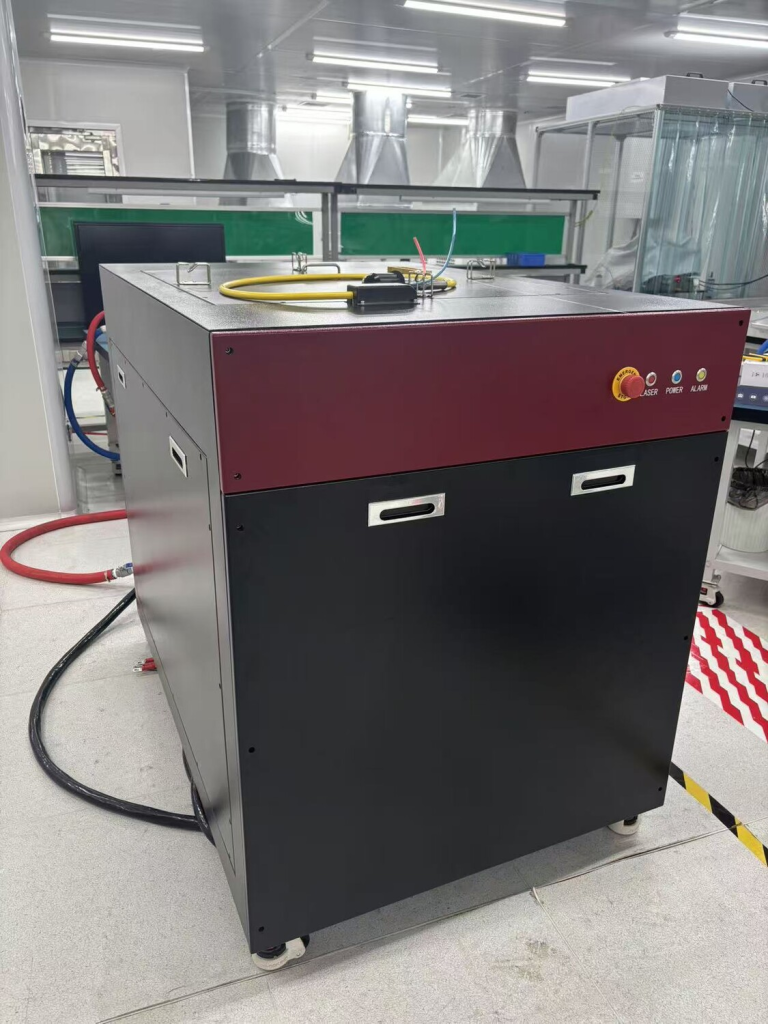
After years of continuous innovation, research, and engineering optimization, CS Tec has successfully overcome these challenges and introduced its 30kW High-Brightness Single-Mode Fiber Laser Platform.
This achievement represents more than a power milestone. It reflects our long-term commitment to developing what we call “Pure Light.”
At CS Tec, we define Pure Light through three fundamental dimensions:
🔹 Pure Mode — True fundamental-mode output
🔹 Pure Spectrum — Suppression of stimulated Raman scattering (SRS) and unwanted nonlinear effects
🔹 Pure Timing — Stable laser output without self-pulsing or temporal instability
These three pillars represent the key technological frontiers in high-power single-mode fiber laser development.
Looking ahead, the future of laser technology is not only about higher power. It is about delivering higher brightness, greater efficiency, better process stability, and enabling entirely new manufacturing possibilities.
As advanced manufacturing continues to evolve, we remain committed to pushing the boundaries of fiber laser technology and delivering cleaner, brighter, and more reliable laser solutions to customers worldwide.
What role do you believe high-brightness lasers will play in the next generation of manufacturing?