
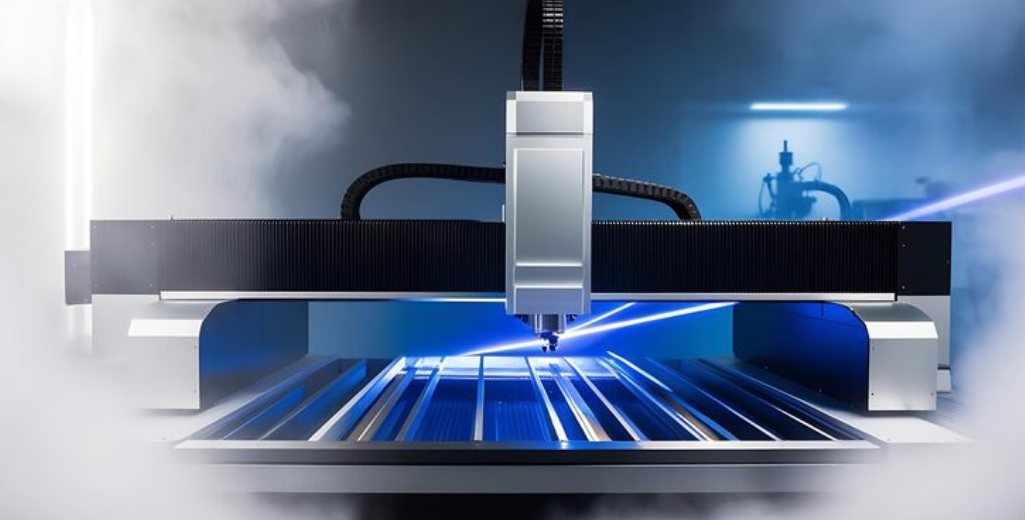
Choosing the right cooling method for a fiber laser source depends on the demands of your application. Air-cooled systems handle lighter jobs and suit mobile work or outdoor repairs. Water-cooled systems support high-power laser tasks and perform best in continuous factory production. The environment and expected workload help decide which cooling approach fits your needs.
Key Takeaways
- Air-cooled systems are ideal for light-duty tasks and mobile applications. They are portable, easy to set up, and require minimal maintenance.
- Water-cooled systems excel in high-power and continuous operations. They provide superior cooling efficiency and stable performance for demanding industrial tasks.
- Consider your environment when choosing a cooling method. Air-cooled systems work best in outdoor settings, while water-cooled systems are suited for fixed installations in factories.
- Regular maintenance is crucial for both systems. Air-cooled systems need simple cleaning, while water-cooled systems require monitoring of coolant levels and quality.
- Match your application needs to the right system. Use air-cooled for quick repairs and water-cooled for high-volume production to ensure optimal results.
Cooling Methods for Fiber Laser Source
Air-Cooled Systems Overview
Air-cooled systems use fans to move air across the laser components. This airflow removes heat and helps keep the laser at a safe temperature. Air-cooled laser welders are popular for their simple design and easy setup. These systems are lightweight and compact, making them ideal for mobile work or outdoor repairs. Many users choose air-cooled systems when they need a portable solution. Maintenance is simple because there is no coolant to replace. However, air-cooled systems have limited cooling capacity. They may not provide stable operation for high-power or long-duration tasks.
Tip: Air-cooled systems are best for lighter jobs, quick repairs, and environments where space is limited.
Water-Cooled Systems Overview
Water-cooled systems use a closed-loop liquid circulation system to manage heat. Coolant flows through the laser, absorbing heat and carrying it away to a chiller or radiator. This cooling strategy offers high cooling capacity and superior temperature control. Water-cooled laser welders are common in factories and workshops where lasers run for long periods or at high power. These systems support stable operation and precise results, even in demanding conditions. Installation is more complex because water-cooled systems need extra components like pumps, chillers, and plumbing. Maintenance includes checking coolant levels and cleaning the system.
Main Differences
The table below highlights the main differences between air-cooled and water-cooled systems:
| Feature | Air-Cooled Systems | Water-Cooled Systems |
|---|---|---|
| Cooling Efficiency | Limited, best for low-power use | High cooling capacity, handles high-power lasers |
| Temperature Control | Less precise, may overheat | Superior temperature control, stable operation |
| Maintenance | Simple, low maintenance | More frequent, coolant replacement needed |
| Portability | Lightweight, easy to move | Heavy, fixed installation |
| Installation | Quick and easy | Complex, needs extra equipment |
| Applications | Mobile, outdoor, light-duty | Factory, automation, heavy-duty |
Laser cooling methods depend on the application and environment. Air-cooled systems are simple and portable, while water-cooled systems offer better thermal management and cooling efficiency for demanding tasks.
Performance and Power Comparison
Air-Cooled Power Capabilities
Air-cooled laser welder systems are designed for tasks that do not require extreme power. These systems use fans to manage heat, which limits their power capability. Most air-cooled fiber lasers are best for low to mid-range power applications. The table below shows typical power output ranges for different types of air-cooled lasers:
| Laser Type | Power Output Range |
|---|---|
| Single-mode | up to 10 kW |
| Multi-mode | 1 to 125+ kW |
Air-cooled laser welder units are often used for welding thin metals, small repairs, and portable jobs. They deliver good beam quality for these tasks. However, when the job requires high laser power or continuous operation, air-cooled systems may struggle to keep the temperature stable. This can affect the quality of the weld and the overall efficiency of the process. Air-cooled systems work best in environments with cool, clean air. Hot or dusty areas can reduce their cooling efficiency and impact beam quality.
Water-Cooled Power Capabilities
Water-cooled laser welder systems are built for demanding industrial applications. These systems use liquid cooling to remove heat quickly and maintain stable temperatures. Water-cooled systems can handle much higher power levels than air-cooled models. In fact, the maximum power capacity for water-cooled fiber lasers in factories can reach up to 125 kW. This makes them ideal for welding thick materials, high-speed automation, and long production runs.
- Water-cooled laser welder machines support continuous welding at high power.
- Water-cooled laser cleaning machine units can operate for hours without overheating.
- Water-cooled systems maintain excellent beam quality even during heavy use.
Water-cooled laser cleaning machine solutions are common in automotive, shipbuilding, and heavy manufacturing. These industries need high power and consistent beam quality for quality welding results. Water-cooled systems also allow for precise control of temperature, which helps maintain beam stability and extends the life of the laser.
Thermal Stability
Thermal stability is a key factor in laser performance and welding quality. Water-cooled systems offer very high cooling efficiency and excellent temperature uniformity. This means the laser can run at high power for long periods without overheating. The table below compares the thermal stability features of water-cooled and air-cooled systems:
| Feature | Water Cooled System | Air Cooled System |
|---|---|---|
| Cooling Efficiency | Very High (Active Refrigeration) | Moderate (Passive Exchange) |
| Power Support | Best for High power (100W+) | Best for Low/Mid Power (<80W) |
| Environmental Sensitivity | Low (Works in hot rooms) | High (Needs cool ambient air) |
Water-cooled laser welder systems provide strong heat dissipation and good temperature control. This leads to stable beam quality and reliable welding results. Air-cooled systems, on the other hand, are more sensitive to the environment. If the room is hot or the air is dirty, the system may not cool the laser well. This can cause the beam quality to drop and affect the quality of the weld.
Note: Water-cooled systems are preferred for medium to high-power lasers because they keep the temperature steady and protect the laser components. Air-cooled systems are best for low-power jobs where portability and simple setup matter most.
Thermal stability ensures consistent beam quality and high welding quality. It also helps maintain beam stability, which is important for precise and repeatable welding tasks.
Portability and Environment
Air-Cooled for Mobile Use
Air-cooled systems offer significant advantages for mobile and outdoor tasks. The compact and lightweight design of an air-cooled laser welder makes it easy to transport and deploy in various environments. Workers can carry these units to hard-to-reach areas, which is especially useful for field repairs or maintenance. The portability of air-cooled laser welder models allows for quick setup and operation, saving time during urgent jobs. Many users choose air-cooled systems for their cost-effectiveness in outdoor applications.
- Portability enables use in remote locations and on-site repairs.
- Lightweight construction helps workers reach confined spaces.
- Air-cooled laser welder units are practical for field service and outdoor projects.
Air-cooled systems require sufficient ambient airflow and spacing to dissipate heat. Operators must monitor humidity and temperature to prevent electrical hazards and maintain laser stability. Dust and flammable materials can increase risks during operation. Outdoor use often needs approval from a Laser Safety Officer and must follow FAA regulations if in navigable airspace.
Water-Cooled for Fixed Installations
Water-cooled systems are designed for fixed installations in factories and workshops. These systems use a closed-loop chiller to regulate flow and temperature, which is essential for high-power lasers that produce substantial heat. Water-cooled units provide stable operation during continuous production and automation tasks.
| Performance Metric | Impact of Temperature Stability |
|---|---|
| Power Output | Fluctuates with temperature variations |
| Beam Quality | Degrades with temperature instability |
| Engraving Consistency | Affected by temperature drift |
Water cooling prevents overheating during prolonged use and ensures consistent temperature for stable output. Maintaining environmental conditions is crucial for operational safety and performance. Temperature variations can cause dot distortion, uneven brightness, and ghosting effects. Water-cooled systems help maintain a stable focus and consistent point intensity, which is vital for high-quality results.
Note: Choosing the right cooling method depends on the environment. Air-cooled systems excel in mobile and outdoor settings, while water-cooled systems are best for fixed, high-power factory applications.
Maintenance and Cost Factors
Air-Cooled Maintenance
Air-cooled fiber laser sources offer zero fluid maintenance, which makes them easy to manage. Most tasks involve simple cleaning and routine checks. Operators clean the protective lens at least once a week, especially in dusty environments. The lens should be replaced once a year or sooner if needed. Laser power must be measured regularly to catch any issues early. Focus adjustments help keep alignment accurate. Professional inspections are recommended once or twice a year. The table below shows typical maintenance tasks and intervals:
| Maintenance Task | Recommended Interval |
|---|---|
| Clean the protective lens | At least weekly (more in dusty environments) |
| Replace the protective lens | At least once a year or sooner if needed |
| Measure and track laser power | Regularly to catch potential issues |
| Adjust the focus periodically | As needed for alignment |
| Professional inspections and evaluations | Annually or twice a year |
Air-cooled systems require minimal effort and cost. Their efficiency depends on keeping the lens clean and the system free from dust.
Water-Cooled Maintenance
Water-cooled fiber laser sources need more attention. Regular water changes and pump checks are essential for proper cooling. Operators must monitor coolant quality and flow. Common failure modes include protective window damage, cooling system alarms, electrical interruptions, back-reflection alarms, optical contamination, coolant quality degradation, and laser source wear. These issues can affect performance and power output. Water-cooled systems achieve high cooling efficiency but require careful maintenance to prevent downtime.
Cost Comparison
Maintenance costs differ between air-cooled and water-cooled systems. Air-cooled units have near-zero maintenance costs because they do not use pumps or chillers. Water-cooled systems require regular water changes and pump checks, which increase costs over time. Energy consumption also varies. Air-cooled fiber laser sources consume less energy since they lack energy-intensive components. Water-cooled systems use active refrigeration, which boosts cooling efficiency but raises energy use. The table below compares maintenance requirements:
| Maintenance Cost | Water-Cooled Systems | Air-Cooled Systems |
|---|---|---|
| Requirement | Regular water changes and pump checks | Near-zero maintenance |
Choosing between air-cooled and water-cooled systems depends on the balance between maintenance, efficiency, and power needs.
Application Scenarios for Fiber Laser Source
Air-Cooled Use Cases
Air-cooled fiber laser source systems fit tasks that require mobility, quick setup, and moderate power. These systems excel in environments where portability matters most. Many industries rely on air-cooled lasers for precision work and light-duty operations.
| Industry | Application Description |
|---|---|
| Healthcare | Used in medical devices for surgical lasers, dermatology, and dental procedures, supporting minimally invasive treatments. |
| Aerospace | Employed for cutting, welding, and material processing, ensuring precision in critical applications. |
| Automotive | Utilized for high-precision cutting and welding of components, particularly in the context of electric vehicles. |
| Electronics | Applied in microelectronics and circuit board manufacturing for engraving, etching, and cutting. |
| Renewable Energy | Used in the production of solar panels and wind turbine components, contributing to clean energy initiatives. |
| Telecommunications | Essential for fiber optic communication systems, aiding in the alignment and splicing of fibers, especially with the rise of 5G networks. |
Air-cooled fiber laser source units often support engraving and marking tasks. Technicians use them for circuit board etching and micro-welding in electronics. Medical professionals depend on these lasers for delicate procedures. Automotive engineers apply air-cooled lasers for welding thin metal parts and making repairs on electric vehicles. The compact design allows easy transport to remote sites or confined spaces.
Tip: Choose air-cooled systems for jobs that require frequent movement, fast deployment, or work in outdoor locations. These systems are ideal for repair teams, field service, and mobile workshops.
Water-Cooled Use Cases
Water-cooled fiber laser source systems deliver high power and stable performance. These systems are essential for heavy-duty manufacturing, automation, and continuous production. Water-cooled laser welder machines operate above 2 kW power, ensuring reliability and consistent results.
- Water-cooled laser cleaning machine units remove heat efficiently, supporting long operation cycles.
- Laser cleaning machines with water cooling protect sensitive optical components and extend system lifespan.
- Water-cooled laser cleaning machine solutions maintain stable temperature, which is vital for high-volume cutting and welding.
Factories use water-cooled fiber laser source systems for automation lines and mass production. These lasers handle thick materials and support high-speed welding. Water cooling enables superior heat dissipation, making it possible to run the laser for hours without overheating. Manufacturers rely on water-cooled laser welder units for tasks like automotive body welding, shipbuilding, and large-scale metal fabrication.
Note: Water-cooled systems require more space and regular maintenance, such as coolant replacement. They are best for fixed installations where high power and continuous duty cycles are necessary.
Water-cooled fiber laser source units dominate industrial applications that demand precision and durability. Automation lines, high-volume cutting, and laser cleaning machines benefit from the stable performance and consistent quality provided by water cooling.
Matching Your Needs to the Right System
Selecting the proper fiber laser source depends on the task and environment. Air-cooled systems suit mobile, light-duty, and precision jobs. Water-cooled systems fit factory automation, high-volume welding, and demanding production lines. Consider the power requirements, workspace, and maintenance needs before making a decision.
Callout: For engraving, micro-welding, and portable repairs, air-cooled fiber laser source units offer flexibility and ease of use. For automation, high-volume cutting, and continuous welding, water-cooled laser welder and water-cooled laser cleaning machine solutions provide the stability and power needed for industrial success.
Decision Guide
Choosing Air-Cooled
Air-cooled fiber laser sources work best for users who need mobility and simple maintenance. These systems are easy to move and set up in different locations. Many field technicians and repair teams choose air-cooled units for outdoor or emergency work. Air-cooled lasers also suit jobs in harsh environments, such as military or aerospace operations. The table below shows where air-cooled systems are often used:
| Scenario | Application Areas |
|---|---|
| Harsh Environments | Military, aerospace, emergency response |
| Mobile Operations | Border patrol, disaster relief |
| Extreme Temperature Ranges | High-altitude plateaus, desert heat |
Air-cooled systems have fewer parts, so maintenance is simple. They do not need coolant or pumps. However, these systems may not handle continuous high-intensity use or very high power. Users should avoid running them in hot rooms for long periods.
Tip: Choose air-cooled if you need a portable laser for quick jobs, repairs, or work in tough conditions.
Choosing Water-Cooled
Water-cooled fiber laser sources are ideal for factories and workshops that need stable performance. These systems support high-intensity, long-duration tasks. Water cooling keeps the laser at a steady temperature, even during heavy use. This helps maintain beam quality and extends the life of the equipment. The table below compares key factors for both cooling methods:
| Key Factor | Water-Cooled Fiber Laser Source | Air-Cooled Fiber Laser Source |
|---|---|---|
| Budget | Generally more affordable | Slightly more expensive |
| Usage Intensity | Suitable for high-intensity, prolonged use | Less suitable for continuous high-intensity use |
| Environmental Requirements | Operates well between -20°C to 60°C, lower environmental constraints | Cannot operate continuously in high-temperature environments |
| Maintenance Capability | Requires resources to maintain a more complex system | Simpler maintenance but may have other limitations |
Water-cooled systems need more maintenance and space. They work well in places where stable power and continuous operation matter most. Choose water-cooled if your work involves automation, mass production, or thick materials.
Note: Select water-cooled systems for demanding jobs that require steady performance and high reliability.
Selecting the right fiber laser source depends on your needs:
- Air-cooled systems work best for mobile jobs and light tasks.
- Water-cooled systems support high power and long production runs.
Tip: Review the decision guide and real-world examples before you choose. Match your application, power needs, and workspace to the right cooling method. This approach helps you get the best results and keeps your laser running smoothly.
FAQ
What is the main difference between air-cooled and water-cooled fiber laser sources?
Air-cooled systems use fans to remove heat. Water-cooled systems use liquid coolant and a chiller. Water cooling supports higher power and longer operation. Air cooling is simpler and more portable.
Can I use an air-cooled fiber laser source for heavy-duty industrial work?
Air-cooled systems suit light-duty tasks and mobile jobs. They may overheat during heavy-duty or continuous industrial work. Water-cooled systems handle high power and long production runs better.
How often should I maintain a water-cooled fiber laser source?
Check coolant levels and quality every month. Clean the system and inspect for leaks or blockages. Replace coolant as recommended by the manufacturer. Regular maintenance prevents overheating and extends system life.
Which cooling method is better for outdoor use?
Air-cooled fiber laser sources work best outdoors. They are lightweight and easy to move. Water-cooled systems need more equipment and stable conditions, which can be hard to manage outside.