
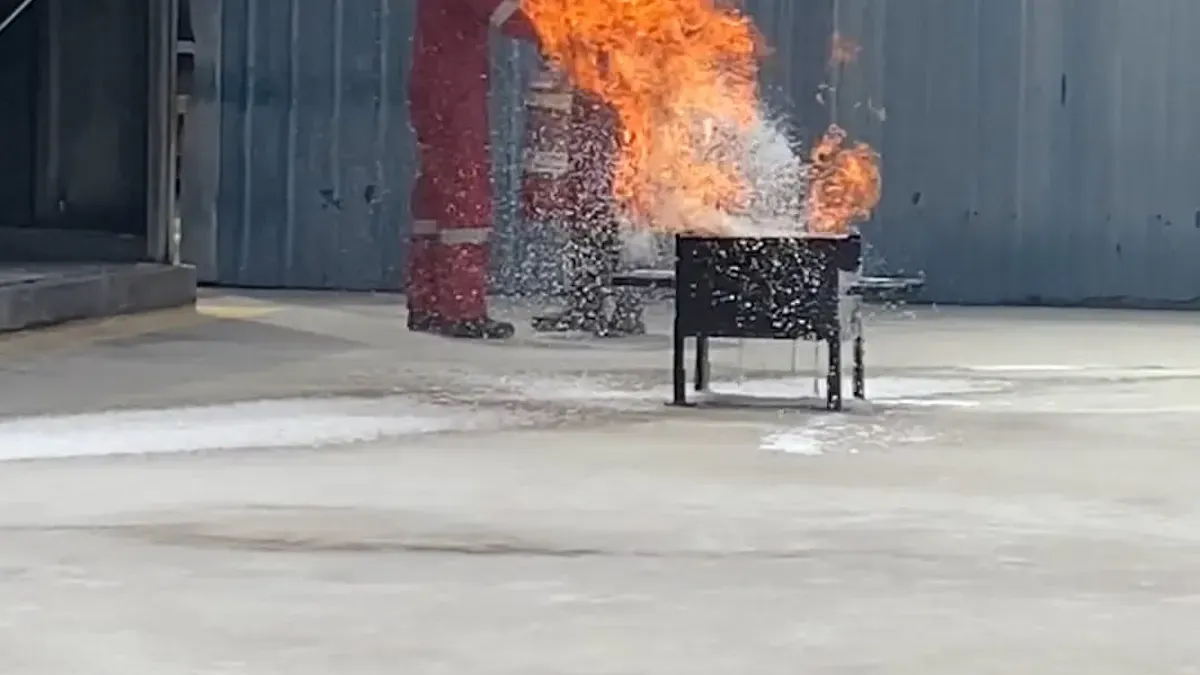
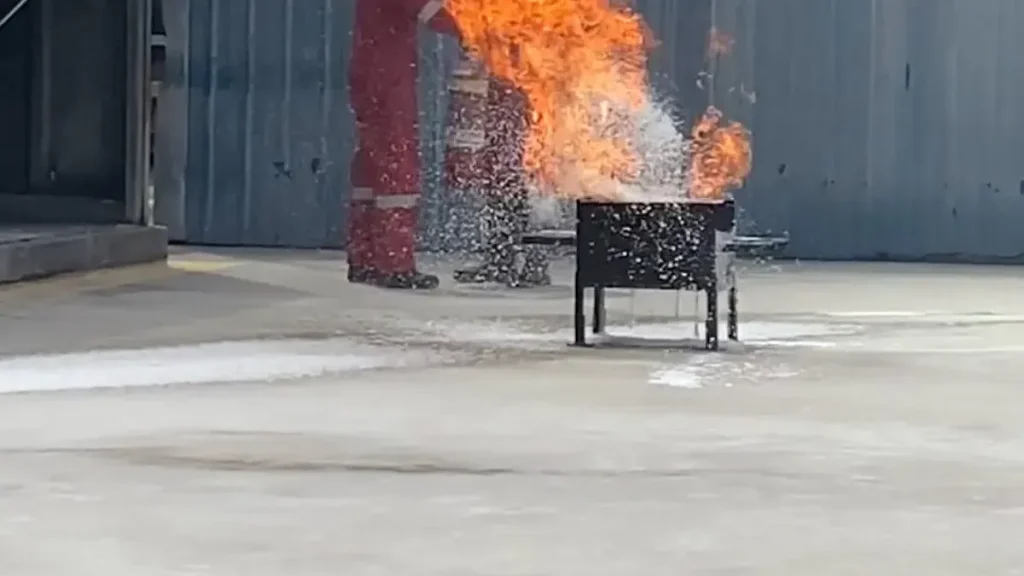
Laser cutting can cause real fire hazards in many workshops. Statistics show that fires increase by 15% when ventilation is poor. This risk is heightened when using new composite materials. Inadequate fume extraction exacerbates both health and fire hazards. Organic materials release gases and tiny particles that can ignite. Understanding these fire hazards is crucial for keeping people safe and preventing accidents before they occur.
Key Takeaways
- Laser cutting is safe if you follow safety rules. Always look for dust or oil on materials before you cut them.
- Good airflow is very important. Bad airflow lets heat build up and can cause fires.
- Clean the laser cutter often to stop dust from piling up. Dust can catch fire easily. Clean before, during, and after every job.
- Training operators is very important. Teach all workers about fire safety and what to do in emergencies. This helps lower risks.
- Always keep fire safety tools, like fire extinguishers and blankets, close by. Acting fast can stop small fires from getting bigger.
Are There Fire Hazards in Laser Cutting?
Direct Answer: Is Laser Cutting a Fire Risk
Laser cutting does have a fire risk. It uses a strong beam of light to cut or engrave things. This beam gets very hot. If the heat touches flammable stuff, a fire can start fast. Many workshops use wood, acrylic, and some plastics. These materials can burn if not handled safely.
Some things make fire more likely during laser cutting:
- Plastics and wood can burn from high heat.
- Oil or dust left on materials may catch fire.
- Bad ventilation lets heat build up.
- Electrical problems, like old wires, can cause sparks.
- Mistakes or not enough training can lead to unsafe actions.
Tip: Always check materials before cutting. Clean off dust or oil. Make sure the room has good airflow.
Laser cutting is safe if you follow the right steps. Most fires happen when safety rules are not followed or machines are not cared for.
Common Misconceptions About Fire Hazards
Some people think laser cutting always causes fire hazards. This is not true. If you take the right steps, the risk can be controlled. Here are some wrong ideas and the facts:
- Some believe laser cutting machines will cause fires easily. But good use and regular care keep the risk low.
- Many think only metal cutting makes dangerous fumes. Plastics and wood can make even worse gases.
- Some say low-power lasers do not make dangerous fumes or fire hazards. The material matters more than the laser’s power.
Safety groups suggest these steps to lower fire risk:
- Pick and get materials ready before cutting.
- Check and fix machines often to find problems early.
- Teach all workers about fire safety and what to do in emergencies.
Note: Fire hazards can be controlled. Training, good habits, and regular checks help stop accidents.
Laser cutting is a strong tool. It is safe if everyone knows the risks and follows safety rules.
Why Fires Start in Laser Cutting
Heat Generation and Material Ignition
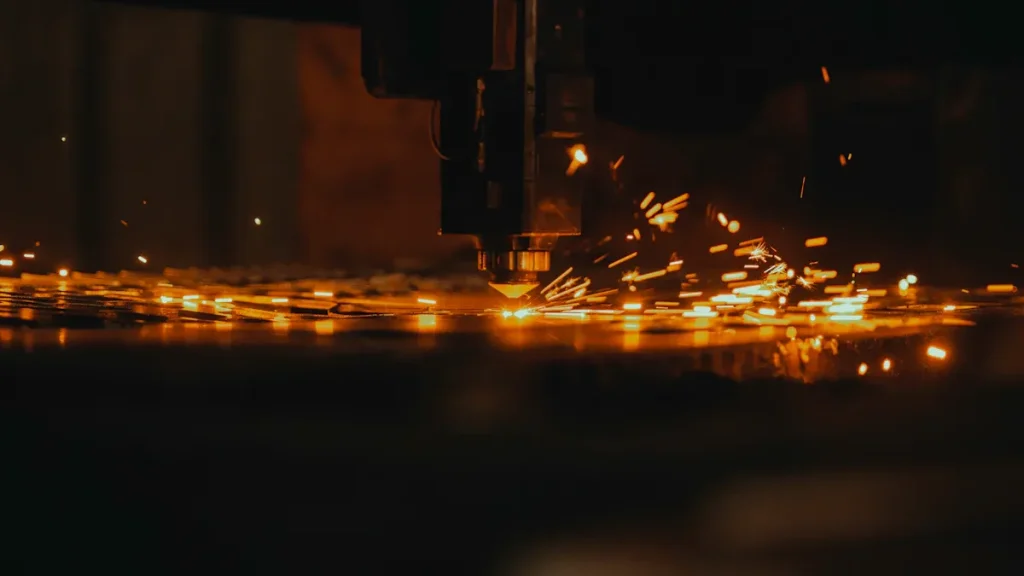
Laser cutting uses a focused beam that gets very hot. This heat can make some things catch fire. When the laser hits wood, plastic, or foam, the surface can get so hot it burns. Reports show that wrong power settings often cause fires. If the laser is too strong or moves too slow, fire risk goes up. Some materials, like polystyrene and polypropylene foam, are very risky. These can catch fire and melt fast, making them a main cause of laser cutter fires.
Tip: Always check the recommended settings for each material before starting the laser.
| Material | Hazard | Potential Consequence |
|---|---|---|
| Polystyrene and Polypropylene Foam | May ignite | A top cause of laser cutter fires, ignites and melts easily. |
Flammable Materials and Dust Buildup
Flammable things in the workspace make fire hazards worse. Dust from cutting builds up inside the laser machine. This dust can catch fire easily because it has a lot of surface area. Even a small spark or heat from the laser can start a flame. Different materials make different dust, and some are more dangerous.
| Material Cut | Dust Composition | Potential Hazards |
|---|---|---|
| Plastics | Toxic gases, carbon particles | Respiratory toxicity, carcinogens |
| Wood | Organic dust, resins | Respiratory issues, skin irritation |
| Titanium | Metal dust, titanium oxides | Respiratory issues, potential fire hazard |
Note: Cleaning often helps stop dust from building up and lowers fire risk.
Equipment and Electrical Issues
Problems with the laser cutter can also start fires. Bad wiring, broken parts, or poor care can make sparks. If the cooling system stops working, the laser can get too hot. Electrical problems can make the laser act in unsafe ways and cause flames. Checking and fixing the machine often keeps it safe and lowers fire risk.
Always unplug the laser before checking or cleaning any parts.
Key Fire Hazards to Watch For
Combustible Materials Near the Laser
Combustible materials are a big fire hazard in laser cutting shops. If these materials are close to the laser, fire risk goes up. Some dangerous things near laser cutters are:
- Certain plastics
- Foams
- Coated materials
- PVC
- Polycarbonate
- Rubber
- Treated wood with chemical preservatives
If these materials burn, they can make toxic or corrosive gases. This can hurt people and damage machines. Ventilation systems can also get dirty from these gases. Using flame-retardant materials helps make the area safer.
Tip: Keep flammable items away from the laser. Always check if materials are safe before you start.
Accumulated Debris and Dust
Dust and debris pile up fast during laser cutting. This layer can catch fire from a spark or hot spot. Extraction units and ducts collect flammable dust. Sparks or hot bits can make fire spread quickly.
- Dust and fumes inside extraction units and ducts are a big fire risk.
- Flammable dust can burn from sparks or hot bits, making fire spread fast.
- Dust buildup makes a layer that can burn from a spark or hot spot.
To lower fire risk, do these things:
- Clean the laser cutter often to stop dust from piling up.
- Use spark arrestors and fire-retardant filters in extraction systems.
- Set up automatic fire suppression like CO2 or water mist systems.
Note: Cleaning and taking care of machines helps stop fires caused by dust.
Improper Laser Settings
Wrong laser settings can cause fire hazards. Studies show laser cleaning can heat up spots and make flammable stuff burn. Oils, paints, or polymers can catch fire from strong laser pulses. Bad focusing or too much power can make sparks or melted bits.
- Laser cleaning heats up spots and can burn flammable stuff.
- Oils, paints, or polymers can burn from strong laser pulses.
- Bad focusing or too much power can make sparks or melted bits.
Using the wrong materials can make toxic fumes. Lasers can burn flammable things, which is a fire hazard in factories. Always check settings and make sure materials are safe before using the laser.
Alert: Always double-check laser settings and material safety to stop fire hazards.
Laser Cutting Safety: Preventing Fire
Never Leave the Laser Unattended
It is very important to always watch the laser while it is running. Fires can start fast during laser cutting, even if you use the same settings every time. If a fire starts and no one is there, it can spread and cause big damage. Stay close to the machine when it is working. If you need to leave, pause or stop the laser first. This simple step can stop many accidents with the laser cutter.
Alert: Keep a fire blanket and fire extinguisher nearby when using the laser. Acting quickly can keep a small fire from turning into a big problem.
Keep the Area Clean and Clutter-Free
Keeping your workspace clean is very important for laser cutting safety. Flammable things like paper, cardboard, and scraps should not be near the laser. Dust and debris can pile up around the cutting area and inside the machine. These things make fire hazards worse. Always clear away clutter before you start. Store all flammable items far from the laser.
Precautions for a safe workspace:
- Take masking off acrylic before cutting.
- Put a thin layer of dish soap on acrylic to help stop scorching.
- Only keep materials you need for your job near the laser.
- Make sure fire safety tools are easy to reach.
Regular Cleaning and Inspection
Cleaning and checking the laser often are important for fire safety. Laser equipment makers suggest some steps to lower fire risks:
- Remove masking from acrylic before cutting.
- Use a thin layer of dish soap on acrylic to help stop scorching.
- Keep a fire blanket and fire extinguisher close by.
Cleaning should happen before, during, and after each cutting job. This routine gets rid of dust, scraps, and other things that can catch fire. Checking the machine helps you find problems early, like loose wires or broken parts.
- Clean the cutting bed, enclosure, and area around the machine often.
- Check the laser and its parts before and after every use.
- Look for leftover debris or dust inside the machine.
Tip: Cleaning and checking the laser regularly helps keep the area safe and lowers the chance of fire.
Proper Operator Training
Good training is the best way to stop fire hazards. Every operator must know how to use the laser safely and what to do if there is an emergency. Training should teach all safety steps, including how to spot dangers and handle fires.
| Standard | Description |
|---|---|
| NFPA 115 | Lists basic fire protection rules for laser work, including training and emergency response. |
| IEC 60825-1 | Covers safety for laser products, including how to use them safely. |
A strong safety program includes regular training for operators. Workers should learn about fire safety, emergency stops, and how to shut down the machine safely. Training also teaches how to use fire safety tools and follow safety steps.
Precautions to include in training:
- Never leave the laser alone.
- Keep the workspace free of flammable things.
- Vacuum the cutting deck and cavity after each use.
- Check the machine between jobs.
- Know how to use fire extinguishers and blankets.
Note: Training should happen often. Review and update safety steps as needed.
Laser cutting safety depends on good habits, proper training, and regular cleaning. These steps help stop fire hazards and keep everyone safe. A strong safety program protects people, machines, and your workspace from fire.
Fire Safety Equipment and Supplies
Fire Extinguishers and Blankets
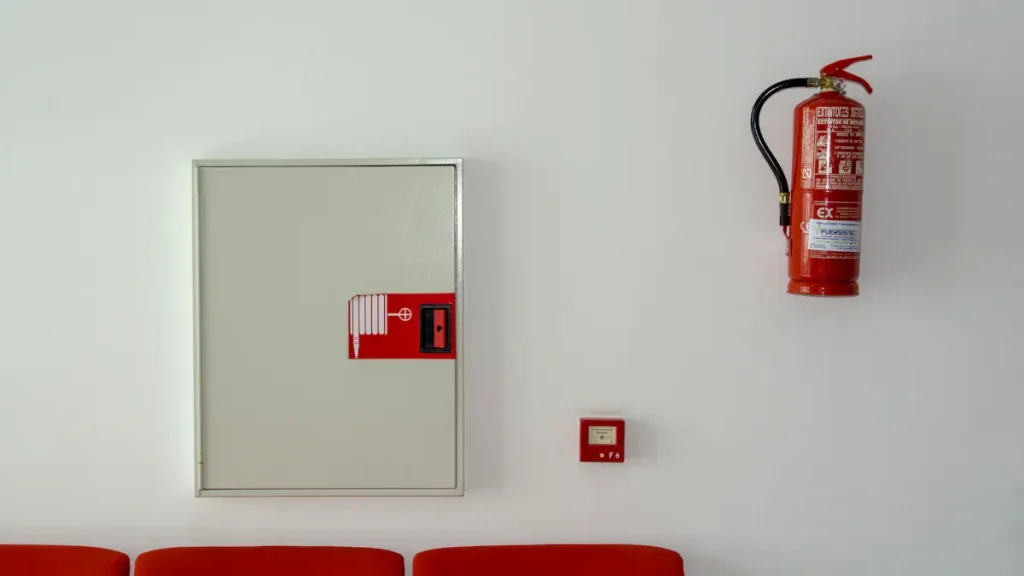
Fire safety supplies are very important in laser cutting areas. Always keep a fire extinguisher close to the machine. There are different fire extinguishers for different fires. The table below shows which extinguisher works best for each fire:
| Fire Extinguisher Type | Description |
|---|---|
| CO2 (Carbon Dioxide) | Pushes away oxygen to stop fire; good for electronics because it leaves nothing behind. |
| Clean Agents (e.g., FM-200, Novec 1230) | Stops fire by taking away heat and stopping burning; safe for people and does not conduct electricity. |
| Dry Chemical Powders | Works well but can be messy and damage things; better for areas around the machine, not inside it. |
A fire blanket is also important. It is good for small fires. The blanket covers the flames and stops oxygen from reaching them. Many people find fire blankets easier to use than fire extinguishers. For bigger fires, use a fire extinguisher.
Tip: Keep both a fire blanket and a fire extinguisher near the laser cutting machine.
Smoke Detectors and Alarms
Smoke detectors help keep the workspace safe. They find smoke early and warn everyone. Photoelectric or ionization smoke detectors work well in laser cutting shops. Heat detectors, like rate-of-rise or fixed temperature types, give extra safety. Put smoke detectors inside the enclosure near the work area. When smoke is found, the system can turn off the laser, close the beam shutter, and stop assist gas. Alarms should be loud and easy to see. Connect smoke detectors to the main fire alarm system for full safety.
- Use photoelectric or ionization smoke detectors.
- Add heat detectors for more safety.
- Put detectors near the laser cutting area.
- Make sure alarms are loud and easy to see.
Emergency Stop Features
Emergency stop features help keep fires from getting worse. These features let operators stop the laser quickly if something goes wrong. The table below explains what makes emergency stops important:
| Feature | Importance |
|---|---|
| Fast shutdown | Lets you stop the machine quickly when things are unsafe, so damage is less. |
| Clear labeling | E-stop buttons must be easy to see so you can find them fast in emergencies. |
| Regular testing | Makes sure the system works right and operators know how to use it. |
| Accessibility | Must be easy to reach from anywhere so it can help stop accidents. |
Operators should know where emergency stops are and test them often. Acting fast can keep a small fire from spreading.
Emergency Response for Laser Cutting Fires
Making a Fire Emergency Plan
Every laser cutting shop needs a fire emergency plan. This plan tells everyone what to do if there is a fire hazard. It should list emergency contacts, show where exits are, and explain how to use fire safety tools. Put the plan somewhere easy to see. Check and update the plan often so it stays correct.
Tip: Make sure everyone knows where the fire extinguisher and fire blanket are.
Training for Fire Response
Training helps people know what to do in an emergency. Practice drills help everyone remember their jobs. Each person should know how to turn off the machine and use the right fire extinguisher. Everyone must know the exit routes and what to do if a fire starts.
- Hold fire drills often.
- Teach how to use fire extinguishers and blankets.
- Show how to turn off the laser cutter fast.
- Make sure everyone knows how to leave the area safely.
Practice helps everyone act faster and safer.
What to Do If There Is a Fire
If a fire starts, act fast to keep people safe. For small fires, use a heavy welding blanket to cover the flames and block oxygen. If flames go past the metal case, turn off the exhaust fan, leave the area, and call the fire department. Do not use a CO2 extinguisher if the fire is spreading. Always keep the area around the fire extinguisher clear so you can reach it fast.
- Cover small fires with a welding blanket.
- Turn off the machine if flames spread.
- Leave the area and call for help if needed.
- Keep safety tools easy to reach at all times.
Acting quickly can stop a small hazard from turning into a big problem.
Everyday Laser Cutting Safety Tips
Routine Safety Checks
Routine safety checks help stop accidents. They keep the workspace safe. Before starting, workers look at the laser machine. They check its parts. The enclosure must be closed. The emergency stop should work. Ventilation needs to be on. Operators check if the right material is loaded. During cutting, watch the flame. Listen for strange sounds. Check how well the cut looks. After the job, let parts cool. Remove scraps. Check for any damage. The table below shows common safety checks for laser cutting:
| Check Type | Description |
|---|---|
| Pre-Start Checks | Inspect enclosures, interlocks, emergency stops, gas cylinders, ventilation, and material identification. |
| Monitoring | Observe flame behavior, spark patterns, cut quality, and machine sounds during operation. |
| Post-Job Checks | Verify cooling of parts, remove scrap, inspect for damage, and ensure ventilation systems clear fumes. |
Tip: Make a checklist for each shift. This helps you remember these steps.
Safe Shutdown Procedures
Safe shutdown keeps people and equipment safe. When the job is done, turn off the laser. Let the machine cool down. Remove leftover pieces and dust. Keep the area clean. The ventilation should stay on until all fumes are gone. Check that the emergency stop is not blocked. These steps help stop fire risks. They keep the machine in good shape.
- Turn off the laser after each job.
- Remove all scraps and dust.
- Keep the area clean and clear.
- Make sure the ventilation runs until the air is clean.
Record Keeping and Incident Reporting
Good record keeping helps track safety. It helps spot problems early. Workers write down each safety check. They note any issues. If an accident or fire happens, report it right away. Write down what happened. Write what was done. Write how to prevent it next time. This helps improve safety steps. It keeps everyone safe in the laser cutting area.
Keeping good records helps everyone learn from mistakes. It keeps the shop safer.
You can control fire hazards in laser cutting by following the right steps. Good safety habits, like handling hydrogen gas and aluminum dust, help stop fires. Training and practice drills show everyone how to act fast and stay safe. It is important to learn new safety tips often. The table below lists main actions for laser safety:
| Safety Practice | Description |
|---|---|
| Preventative Maintenance | Fix problems before they cause trouble. |
| Cleaning | Remove dust and debris often. |
| Lubrication | Keep moving parts working well. |
| Calibration | Check the system for accuracy. |
| Component Replacement | Change worn parts quickly. |
| Record Keeping | Write down all checks and repairs. |
| Continuous Improvement | Update safety steps and train staff often. |
FAQ
What materials are most likely to catch fire during laser cutting?
Wood, acrylic, and some plastics can catch fire easily. Materials like polystyrene foam and PVC are especially risky. Always check if a material is safe before cutting.
Can I leave a laser cutter running while I step away?
Alert: Never leave a laser cutter unattended. Fires can start quickly. Always stay nearby and pause or stop the machine if you must leave.
How often should I clean my laser cutter to prevent fires?
Clean the laser cutter after every use. Remove dust, scraps, and debris from the cutting bed and inside the machine. Regular cleaning lowers fire risk.
What should I do if a fire starts in the laser cutter?
- Turn off the machine.
- Use a fire blanket for small flames.
- Leave the area if the fire spreads.
- Call emergency services.
Safety comes first. Do not try to fight large fires alone.