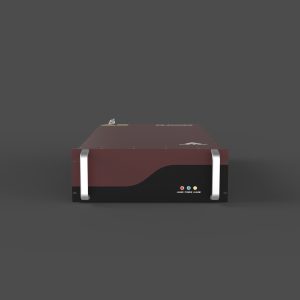
Fiber Laser Solutions: Pioneering Shoreline and Border Laser Protection Systems
In an era where border security and shoreline protection have become paramount, nations worldwide are seeking advanced technological solutions to counter illicit activities, particularly smuggling. Fiber laser solutions have emerged as a groundbreaking approach in this domain, offering a sophisticated and efficient method for shoreline and border protection.
Understanding Fiber Laser Protection Systems
Fiber lasers, known for their precision and adaptability, have been repurposed from industrial applications to security measures. The Laser Protection System (LPS) utilizes fiber lasers to create an invisible “fence” or “net” that can detect any breach or unauthorized crossing.
Advantages of Fiber Laser LPS
High Precision: The system can detect minute disturbances, ensuring that even the most discreet attempts at crossing are identified.
Rapid Response: Upon detection, the system can instantly alert border patrol units, ensuring quick response times.
Adaptability: The system can be tailored to various terrains, from rugged mountainous borders to serene shorelines.
Eco-friendly: Unlike physical barriers, the laser system has minimal environmental impact, preserving the natural landscape.
Cost-effective: Once installed, the maintenance and operation costs are relatively low compared to traditional surveillance methods.
Applications
1.Shoreline Protection
Port Security: Monitoring the entry and exit of ships, ensuring no unauthorized vessels approach.
Beach Monitoring: Especially in areas known for smuggling activities, ensuring no unauthorized landings.
2.Land Border Surveillance
Remote Area Monitoring: In areas where patrolling is challenging, the LPS offers continuous surveillance.
Checkpoint Enhancement: Augmenting existing checkpoints with laser systems to detect any breach attempts.
3.Specialized and High-Risk Zones
Airport Perimeters: Ensuring no unauthorized access to critical areas.
Military Bases: Enhancing security in sensitive zones against potential threats.
ATP Systems
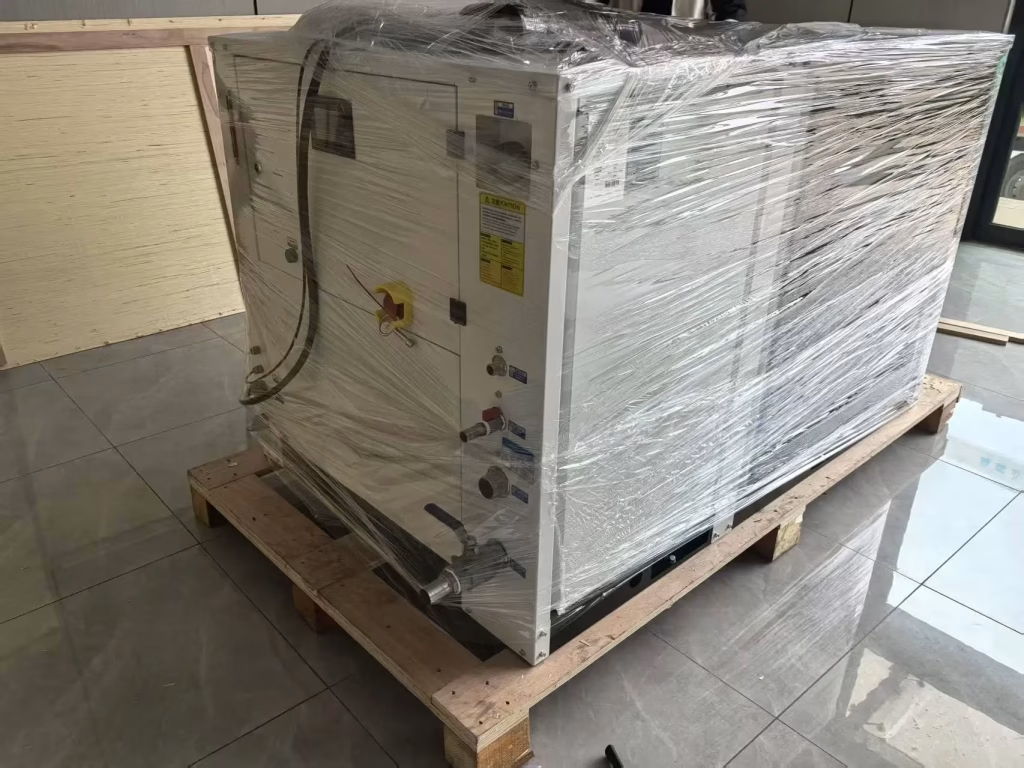
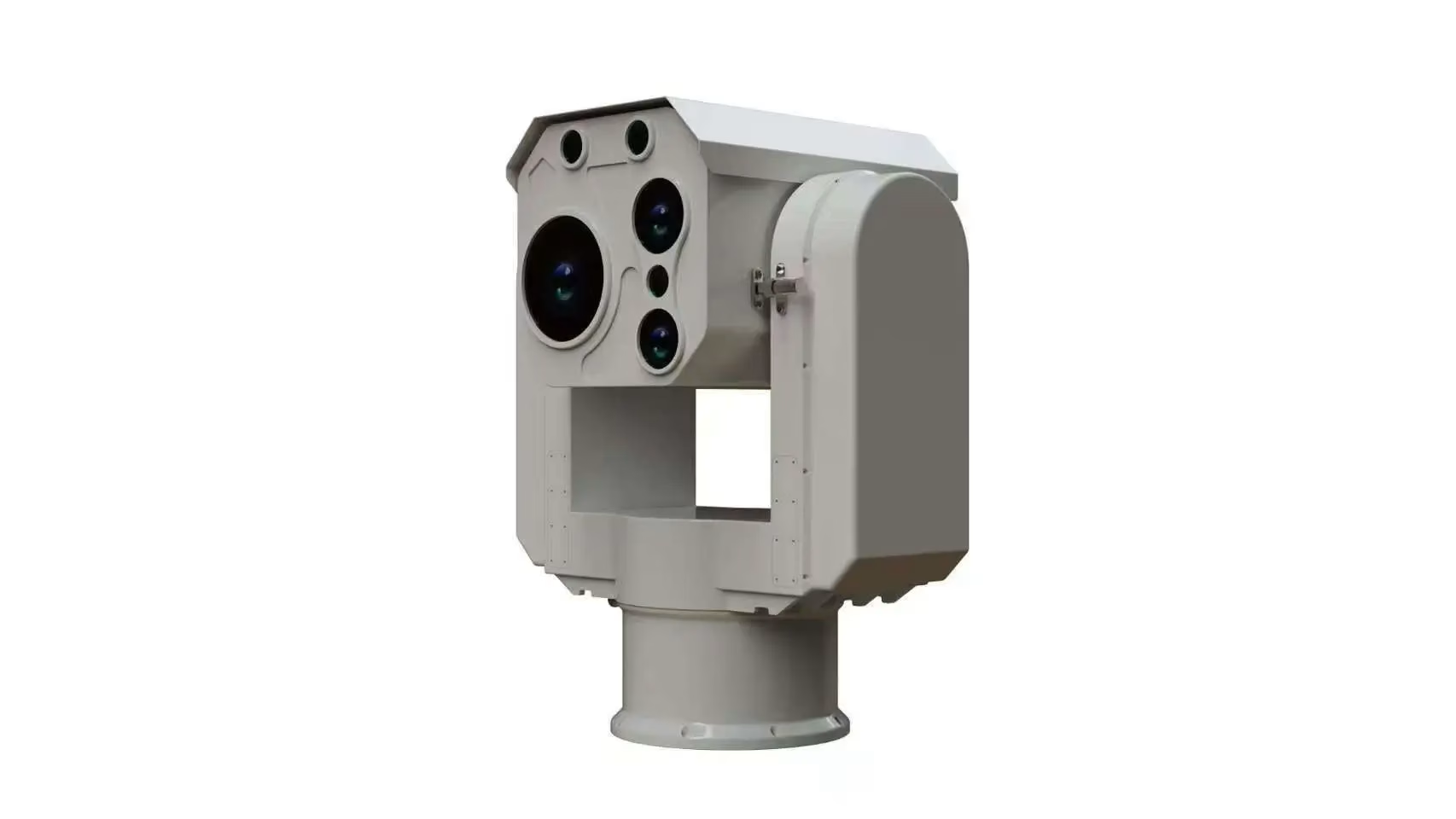
The Automatic Target Recognition and Tracking System (ATP System) integrates advanced sensor and radar technologies to detect, identify, and track aerial drone targets in real-time. The ATP system follows a detailed workflow to ensure quick response and precise strikes in emergency situations:
- Acquisition: In this initial phase, the system performs judgment and identification of targets within uncertain areas. The acquisition process includes preliminary data guidance and initial line-of-sight (LOS) alignment, scanning within uncertain areas until the presence of the beacon spot is determined within the acquisition field. This establishes the foundation for subsequent tracking.
- Tracking: Based on reliable acquisition, the tracking process is initiated. In spatial laser communication systems, tracking involves active optoelectronic tracking of the laser beam to overcome relative motion and platform vibration that affect the LOS. The aim of tracking is to stabilize the tracking LOS within an acceptable error range. High-precision tracking typically requires a combination of coarse and fine axis tracking.
- Pointing: High-precision tracking is a necessary condition for near-diffraction-limited angle communication, but not a sufficient one; precise LOS pointing is also required. Pointing has two key aspects: first, maintaining precise coaxiality between the communication transmission LOS and tracking LOS during calibration, essential for near-diffraction-limited angle communication and micro-arc tracking; second, some spatial laser communication systems require the servo unit to correct deviations between the transmission LOS and reception LOS in advance, addressing one of the dynamic tracking error sources, thus requiring stringent alignment precision.
Application
The Laser Anti-drone System is widely used in the following areas:
Military Base Defense: Protecting military facilities from reconnaissance or attacks by enemy drones.
Airport Security: Preventing drones from entering airport airspace, ensuring flight safety.
Public Event Security: Preventing drone interference or illegal activities during large public events or important meetings.
Critical Infrastructure Protection: Safeguarding critical infrastructures such as nuclear power plants and dams from potential drone threats.
Conclusion
Fiber Laser Protection Systems represent the next frontier in border security and shoreline protection. By harnessing the power and precision of fiber lasers, nations can ensure their borders remain impervious to smuggling attempts, safeguarding their citizens and preserving their sovereignty.