
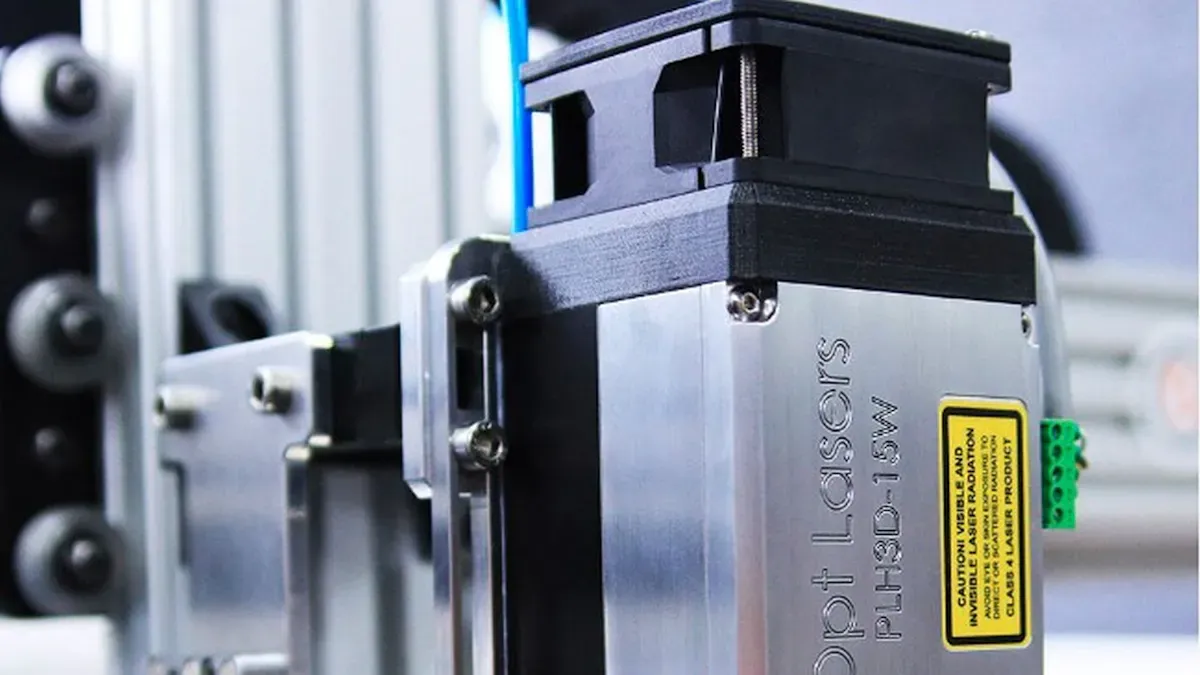
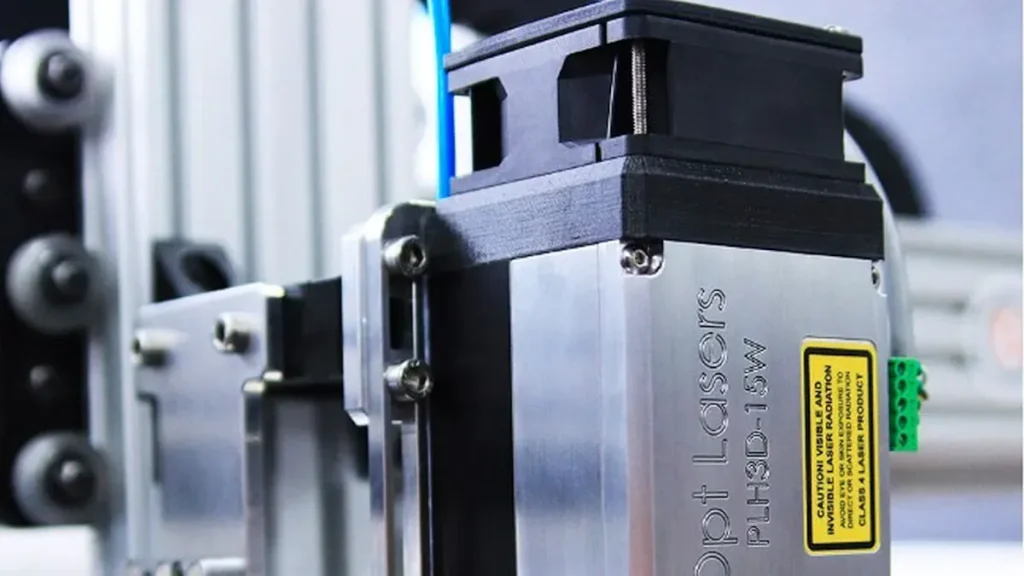
Many operators miss important signs that show CO₂ Laser Replacement is needed soon. Signs like lower performance, more breakdowns, and broken optics can hurt safety and product quality. If you compare laser lifespans, CO₂ lasers usually last up to 100,000 hours. Fiber lasers work for much less time.
| Laser Type | Lifespan |
|---|---|
| CO₂ Laser | 100,000 Hours |
| Fiber Laser | 2,000–10,000 Hours |
Use a checklist to spot these warning signs in your machines. Acting fast stops expensive downtime and keeps your business safe.
Key Takeaways
- Look for signs your CO₂ laser is not working well. These signs are uneven cuts, burn marks, and blurry engravings. Finding problems early can stop expensive repairs.
- If your CO₂ laser breaks often, it may need to be replaced. Doing regular maintenance can help. But if repair costs keep going up, you might need a new machine.
- Check the optics often for damage. Scratches or dirt can cause bad performance and safety problems. Change damaged optics to keep good quality.
- Old CO₂ lasers do not have new safety features. Getting a new model makes things safer and better. It also improves efficiency and product quality. This can lower costs over time.
Decreased Performance
Spotting Ineffective Results
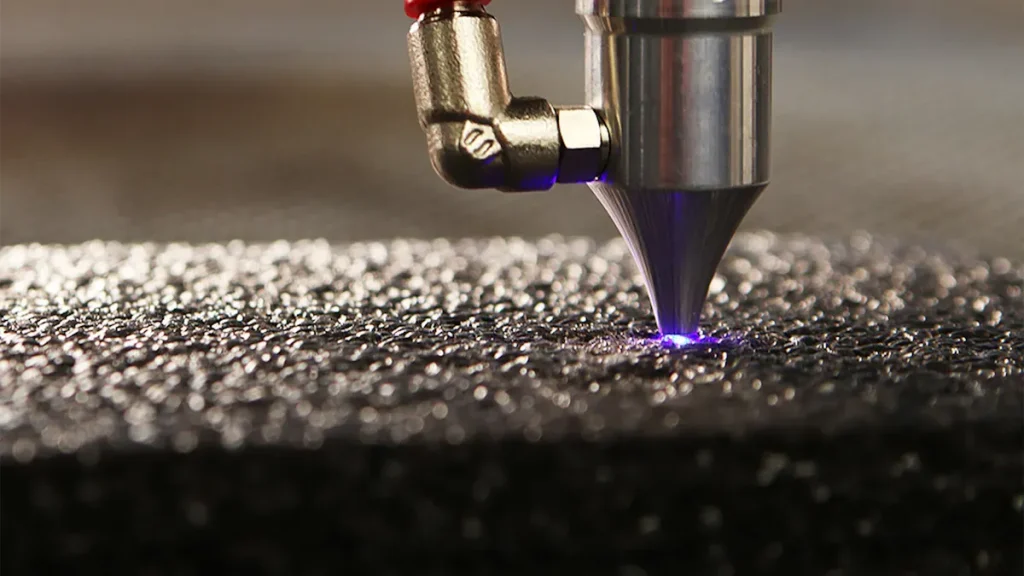
Operators usually see problems before the laser stops working. The main signs are less power, uneven results, and lower quality. If a CO₂ laser loses strength, it might need to cut or engrave the same spot more than once. This makes work slower and uses more energy. Cuts may look uneven, burn marks can appear, and engraving may look blurry. These show the laser is not working well. These problems mean you should check your CO₂ Laser or think about replacing it.
Tip: Write down your laser settings and results. This helps you notice changes early and fix issues before they get worse.
Reduced Cutting or Engraving Quality
Quality problems can show up in different ways. Lower power can make surfaces rough, especially when cutting wood. If the laser is not steady, engraving can be uneven, burned, or melted on plastics. These mistakes make it hard to get good results and can hurt your business. You might see dark edges or smoke stains if settings are wrong. If you notice these signs, you should think about CO₂ Laser Replacement to get better results.
- Common signs of reduced quality:
- Cuts or edges are uneven
- Burn marks or color changes
- Engraving looks blurry or unclear
- Kerf width gets bigger
If you ignore these signs, your machine may break more often and cost more to fix. Checking your laser often and replacing it when needed keeps your equipment safe and working well.
Frequent Breakdowns
Repeated Repairs and Downtime
CO₂ lasers can break down a lot. This slows production and costs more money. When the laser stops working, operators must pause their jobs to fix it. This means work is late and customers are not happy. Industry reports say bad maintenance can cut production by 5% to 20%. Unplanned downtime costs companies billions every year.
Older CO₂ lasers need repairs more often. Fixing old parts gets more expensive as time goes on. Important parts like optics, lenses, and mirrors wear out faster and need to be replaced more. If repair costs keep rising, it may be smarter to get a new CO₂ Laser instead of fixing the old one all the time.
Note: Doing regular maintenance can help stop these problems. Cleaning and checking your laser often can make it last longer.
Overheating and Unusual Noises
If your CO₂ laser gets too hot or makes weird sounds, it may be near the end of its life. These signs usually mean there are bigger problems inside the machine. Here are the main reasons:
- Tubes get too hot if they run above 30ºC.
- Using the laser at full power for a long time makes tubes wear out faster and causes more heat.
- Cooling system issues like leaks, blockages, or dirty water can make the laser overheat.
- Arcing or sparking noises can happen from bad connections, dirty water, or cracks in the tube.
- Unstable output is often caused by power supply problems or dirty optics.
- Tube leaks or cracks cause electrical noise and power loss.
Doing regular maintenance can stop many of these problems. Operators should clean optics, check cooling systems, and look for loose wires. The table below shows how often you should do important maintenance tasks:
| Maintenance Frequency | Tasks to Perform |
|---|---|
| Weekly | Clean mirrors and lens, check air assist nozzle, inspect for loose wires |
| Monthly | Clear vacuum table holes, check scan offset accuracy, inspect tube mounts |
| Every 6 Months | Inspect tube condition, replace lenses and mirrors, run calibration test |
| Annual | Check overall performance compared to initial state |
If your laser overheats a lot or makes strange noises, you should check your machine. Getting a new CO₂ Laser may be the best way to keep your work safe and reliable.
CO₂ Laser Replacement for Damaged or Outdated Optics
Visible Damage to Lenses or Mirrors
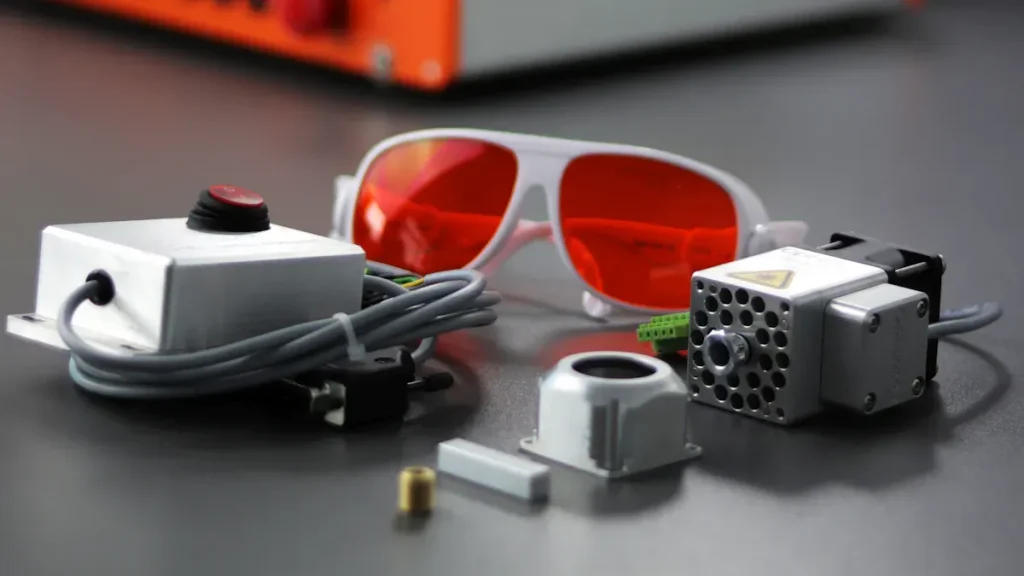
Lenses and mirrors are very important for how well the laser works. If they have scratches, chips, or cracks, the laser beam can go in the wrong direction. This can make cuts look bad and engravings uneven. It can also be unsafe. Broken optics might make the laser get too hot or stop working without warning. Operators should look at lenses and mirrors often. If you see damage, getting a CO₂ Laser Replacement is usually the best and safest choice.
Frequent Lens Contamination
Lens contamination happens a lot with CO₂ lasers. It can make the laser weaker and less efficient. Operators may see that the beam is not as good or straight. Cleaning the lens many times may not help if it is old. Some common reasons for contamination are:
- Debris builds up and makes the laser weaker.
- Protective coatings wear out, so lenses get dirty faster.
- Smoke, dust, and debris mess up the beam and its aim.
- If the lens stays dirty, it can overheat and hurt other parts.
If you clean your lens a lot but still have trouble, you might need a CO₂ Laser Replacement.
Outdated Technology and Safety Risks
Old CO₂ laser systems can be dangerous. They may not have features that stop problems like infection, scarring, or skin color changes. These risks are higher if the machine does not have new safety controls. Bacteria like Staphylococcus or Pseudomonas can cause infections if the system is old. Redness and swelling can last longer after using older lasers.
Getting a new CO₂ laser system has many good points. New models use 20% less energy and last 35% longer. They let you change power easily, move more smoothly, and have better safety features like fire alarms and strong glass lids. The table below shows the main upgrades:
| Feature | Improvement Description |
|---|---|
| Energy Use | 20% less energy, longer tube lifespan |
| Precision | Digital controls for accurate power adjustments |
| Maintenance | Closed design reduces carbon buildup and cleaning time |
| Movement System | Smoother, faster engraving with advanced motors |
| Safety Features | Fire detection, anodized heads, and tempered glass for better protection |
Old models are harder to fix and keep working. It can be tough to find parts or people who know how to repair them. Upgrading makes sure your machine works well and keeps your workplace safe. CO₂ Laser Replacement helps you avoid delays and keeps your work looking great.
Operators need to look for signs like lower performance, more breakdowns, and broken or old optics. Fixing problems fast helps keep everyone safe and makes sure products stay good. Checking machines often helps stop surprise problems. The table below lists important steps for checking equipment the right way:
| Step | Description |
|---|---|
| 1 | List all equipment and make a checklist |
| 2 | Check each item, looking at its shape, spot, and how it is used |
| 3 | Talk to people who use the laser systems |
| 4 | Watch how lasers are set up, tested, and used during work |
| 5 | Write down what you find |
| 6 | Fix any problems you see |
| 7 | Keep track of results and check again later |
Getting a CO₂ Laser Replacement when you first see a problem saves money and stops long work delays. Always use a checklist to keep up with maintenance and ask an expert if you notice warning signs.
FAQ
How often should I inspect my CO₂ laser for signs of wear?
Operators need to check CO₂ lasers every week. Watch for power drops, uneven cuts, and dirty optics. Finding problems early stops expensive repairs and keeps work moving.
What is the average lifespan of a CO₂ laser tube?
Most CO₂ laser tubes work for up to 100,000 hours. How long they last depends on how you use them, clean them, and where they are kept. Cleaning and cooling the tube often helps it last longer.
Can I replace only the optics instead of the whole laser?
You can change lenses or mirrors if only those parts break. If the laser still has problems after you replace them, you may need a new CO₂ laser.
What safety risks come with using outdated CO₂ lasers?
Old lasers may not have new safety features. Risks include getting too hot, electrical problems, and dangerous laser beams. Getting a newer laser makes things safer for people and machines.
How do I know if frequent breakdowns mean I need a new laser?
If your laser breaks a lot or stops working more often, it may be time for a new one. High repair costs and lost work mean replacing the laser saves money.